Venus is the planet that shapes how people experience love, pleasure, and connection. It reveals what they find attractive and how they express affection, charm, and appreciation for beauty.
What Does Venus Represent in Astrology?
Venus governs love, relationships, beauty, sensuality, and harmony. It shows how people relate to others emotionally, what they value, and how they bring softness into daily life.
In astrology, Venus symbolizes the pleasure principle — not just in romance, but in art, comfort, style, and luxury. It reflects one’s approach to connection and desire, whether that means intimacy, social grace, or aesthetic appreciation.
People with strong Venus placements tend to express themselves through grace, elegance, or emotional warmth. Their style of giving and receiving love is often tied to their Venus sign. This planet also relates to self-worth, attraction patterns, and taste in clothes, decor, and partners.
Venus links emotions to sensory experience. It governs how people experience physical closeness, whether through touch, shared beauty, or material indulgence. It values peace, balance, and the ability to feel loved and desirable.
Venus in the Natal Chart – Personality and Expression
In a birth chart, Venus shows a person’s romantic nature and emotional needs. It highlights what brings them joy, what they desire in love, and how they seek connection.
Venus in the chart speaks to the person’s idea of charm — what they find beautiful in others and how they express their own allure. Some lean into subtle elegance, while others are bold and magnetic.
This placement also affects friendships, aesthetic preferences, and comfort zones. Venus reflects how people handle emotional intimacy, what type of affection they prefer, and what kind of environments make them feel safe and seen.
It’s not about intensity — that’s more Pluto or Mars. Venus expresses sweetness, bonding, and emotional invitation. It shows how someone says “I love you” — with words, gifts, loyalty, or physical touch.
Venus in Zodiac Signs – Meaning by Sign
Each zodiac sign filters Venus's energy in a unique way. These differences shape attraction, love language, and charm.
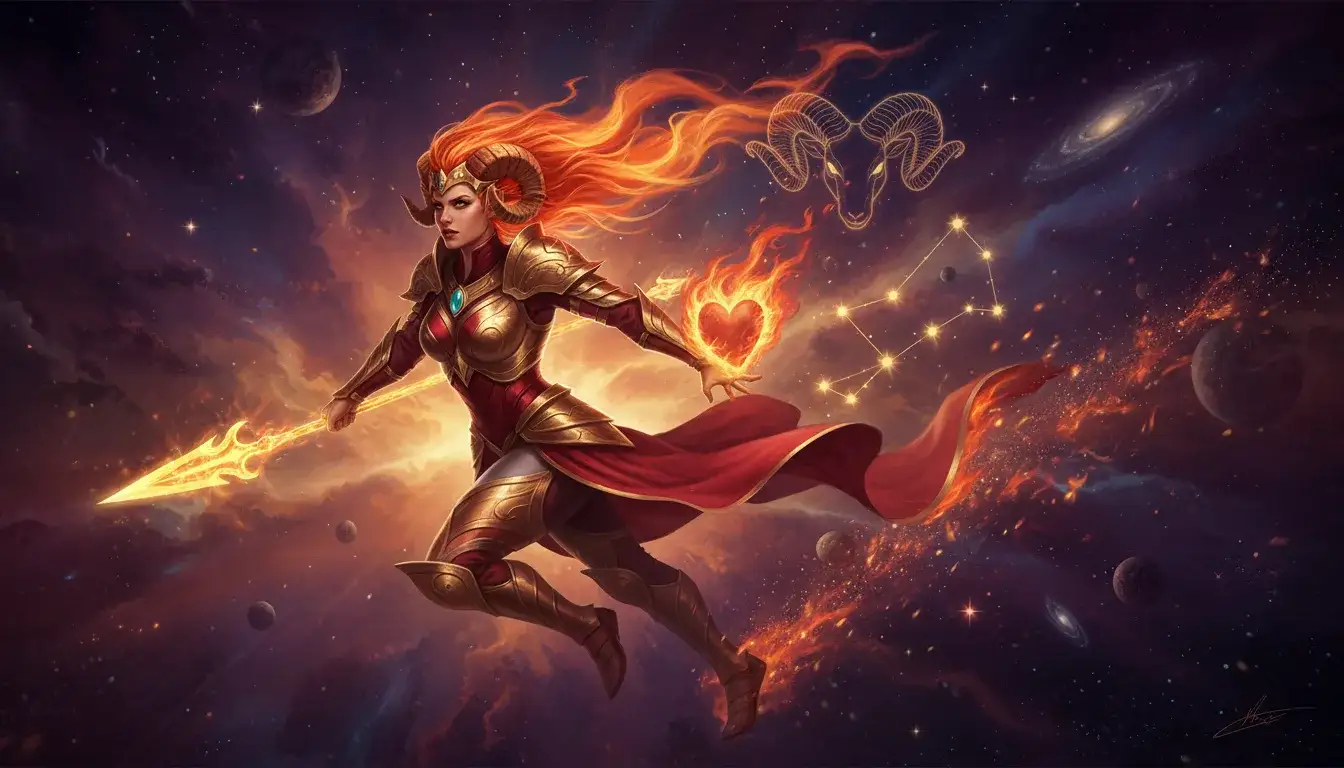
Venus in Aries
Passionate, direct, loves the chase
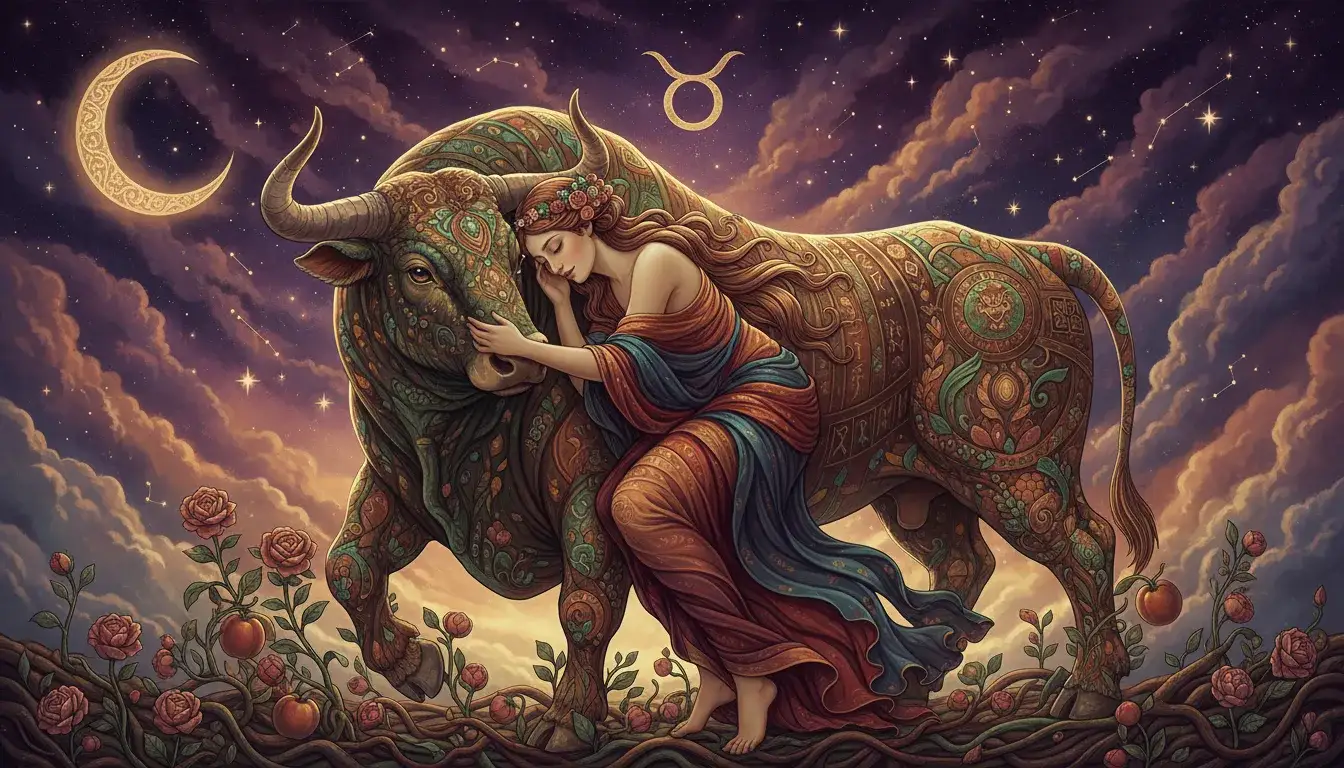
Venus in Taurus
Sensual, loyal, values comfort and stability
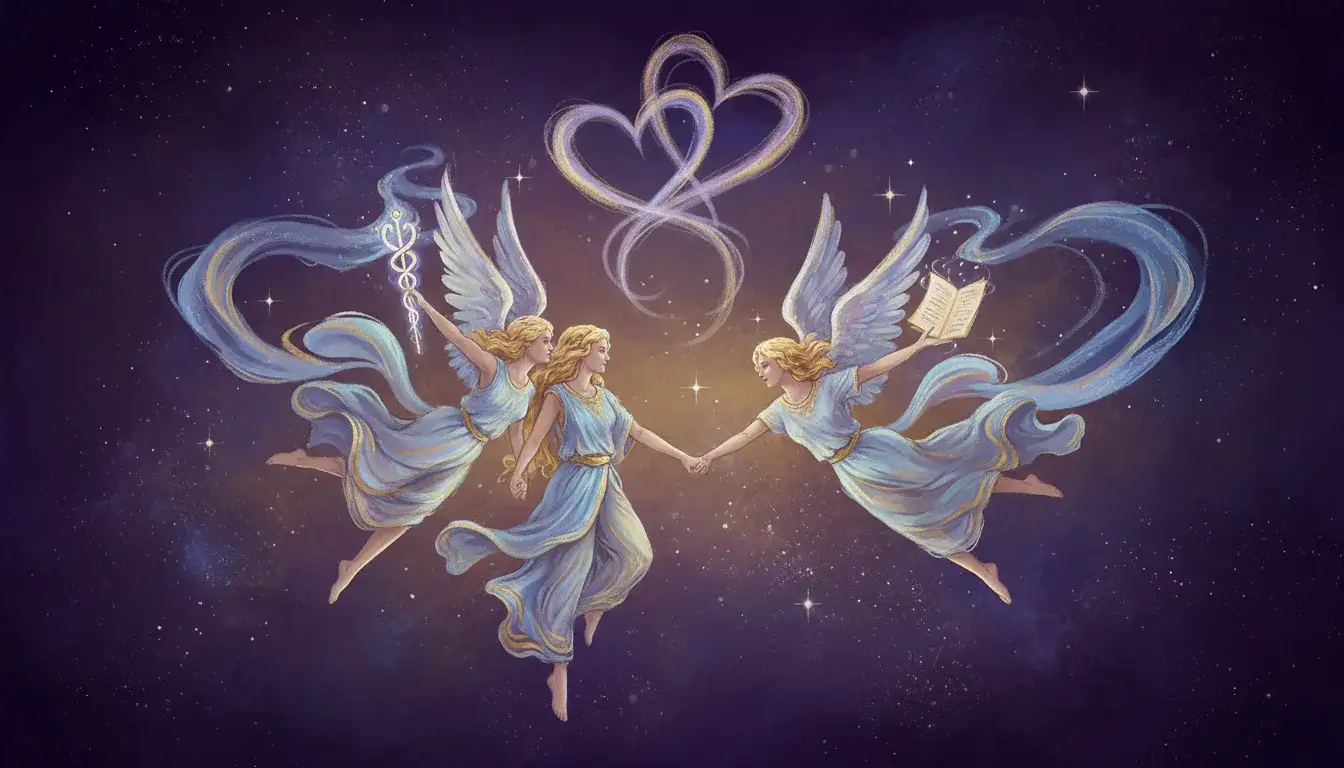
Venus in Gemini
Playful, communicative, needs mental connection
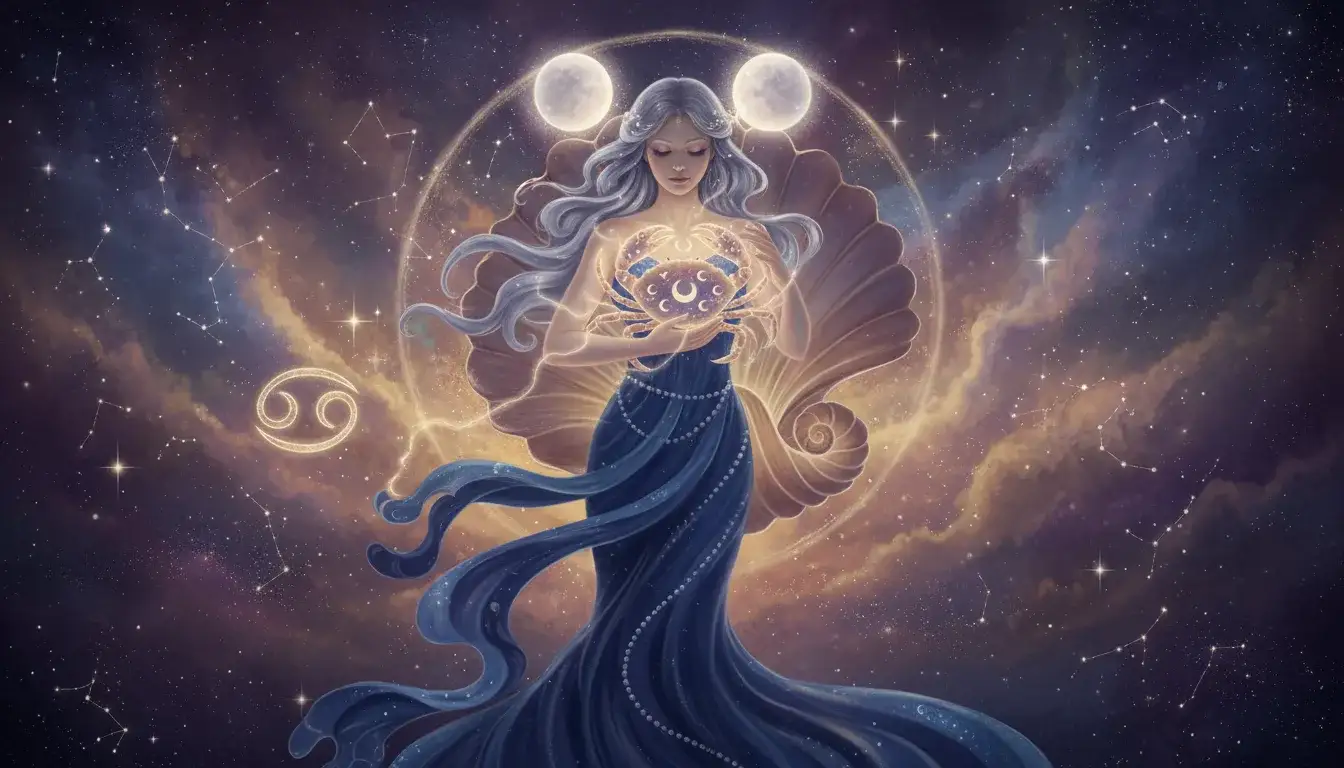
Venus in Cancer
Nurturing, protective, emotionally deep
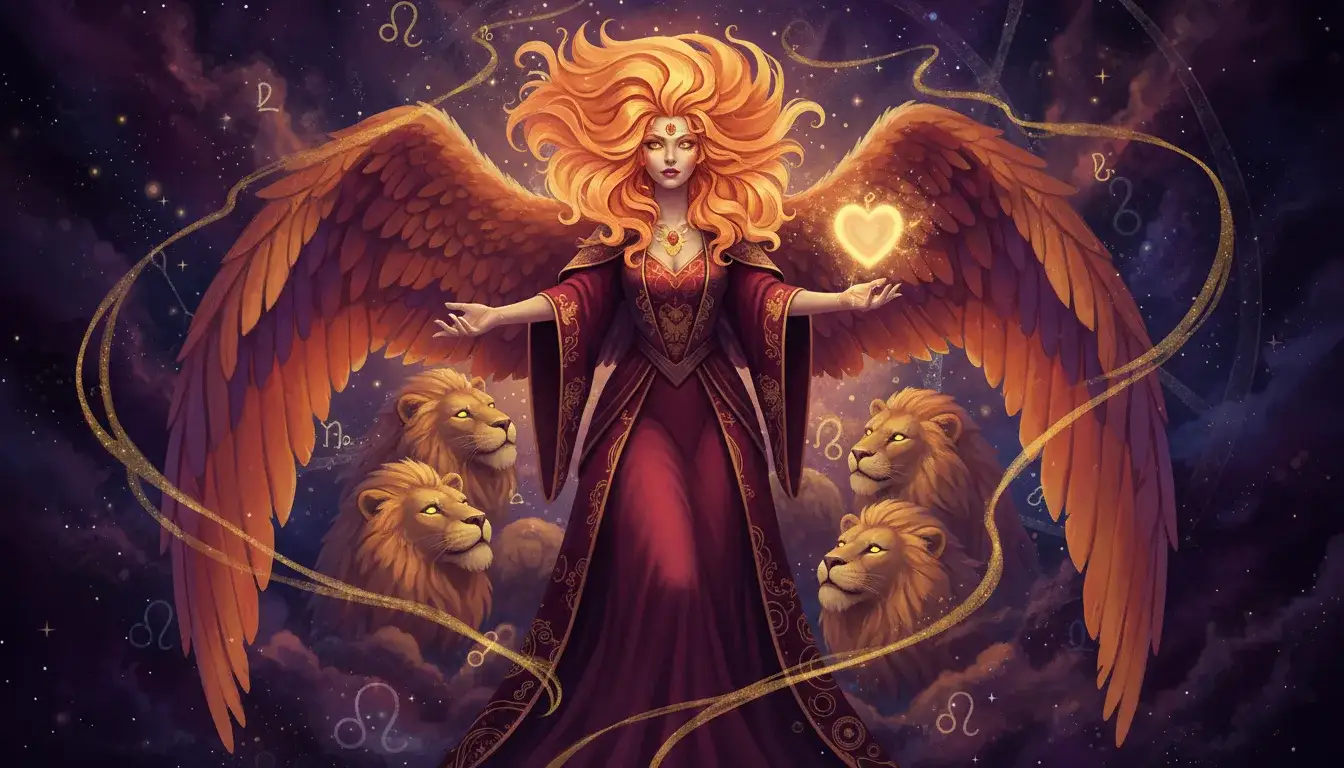
Venus in Leo
Dramatic, generous, seeks admiration
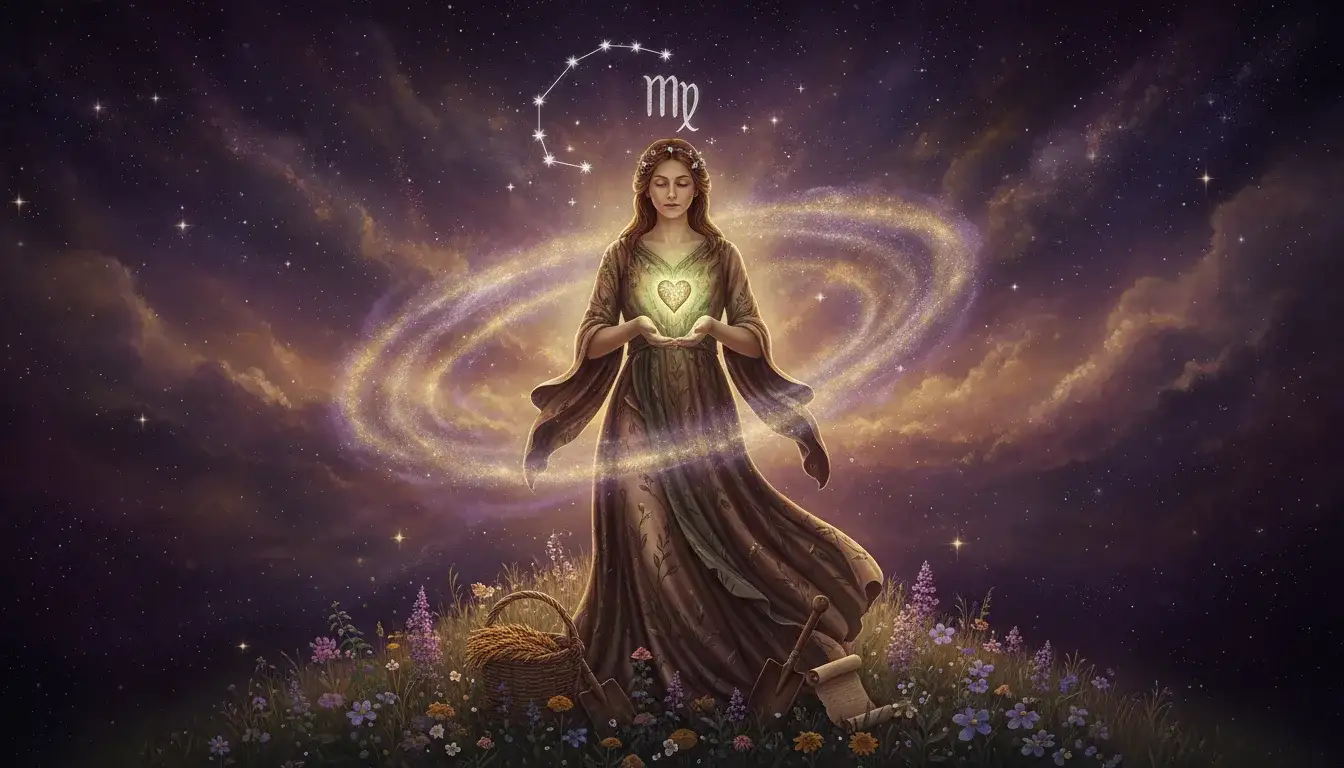
Venus in Virgo
Refined, practical, shows love through service
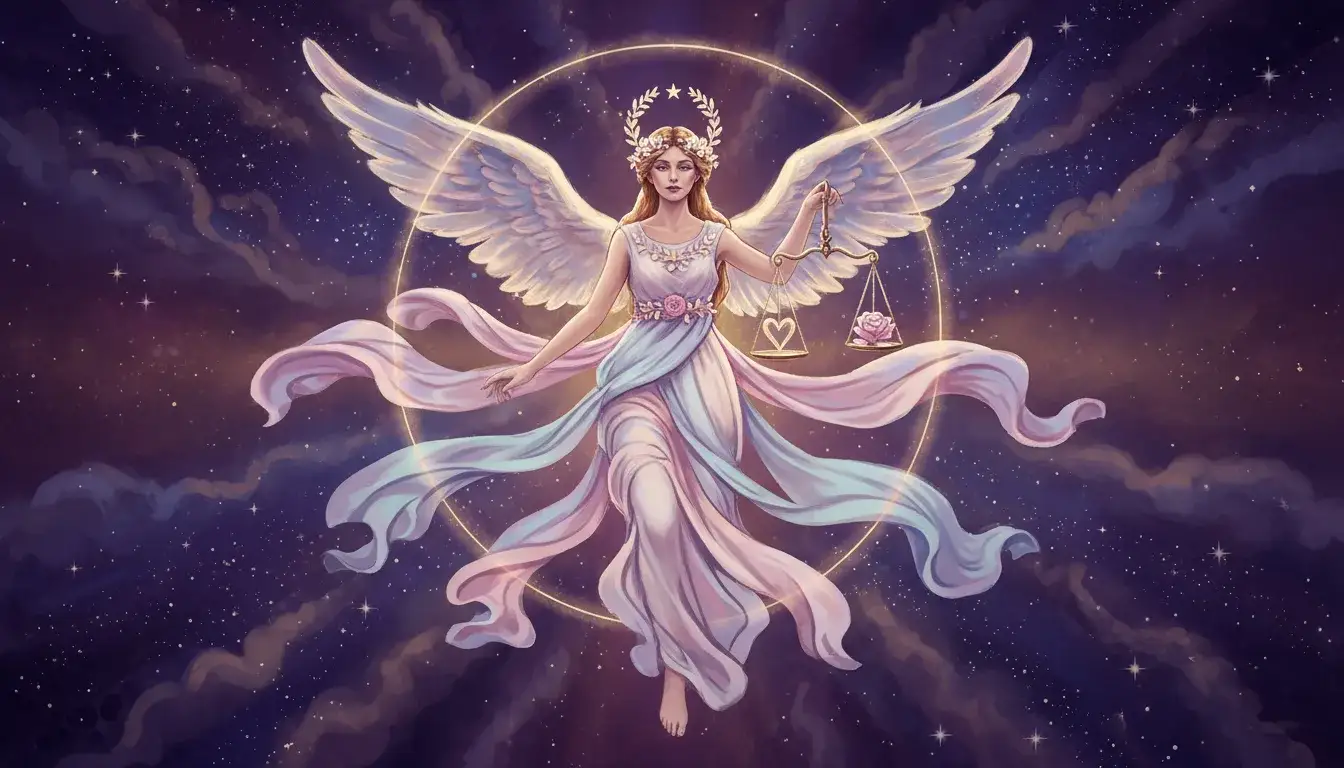
Venus in Libra
Diplomatic, romantic, values balance and beauty
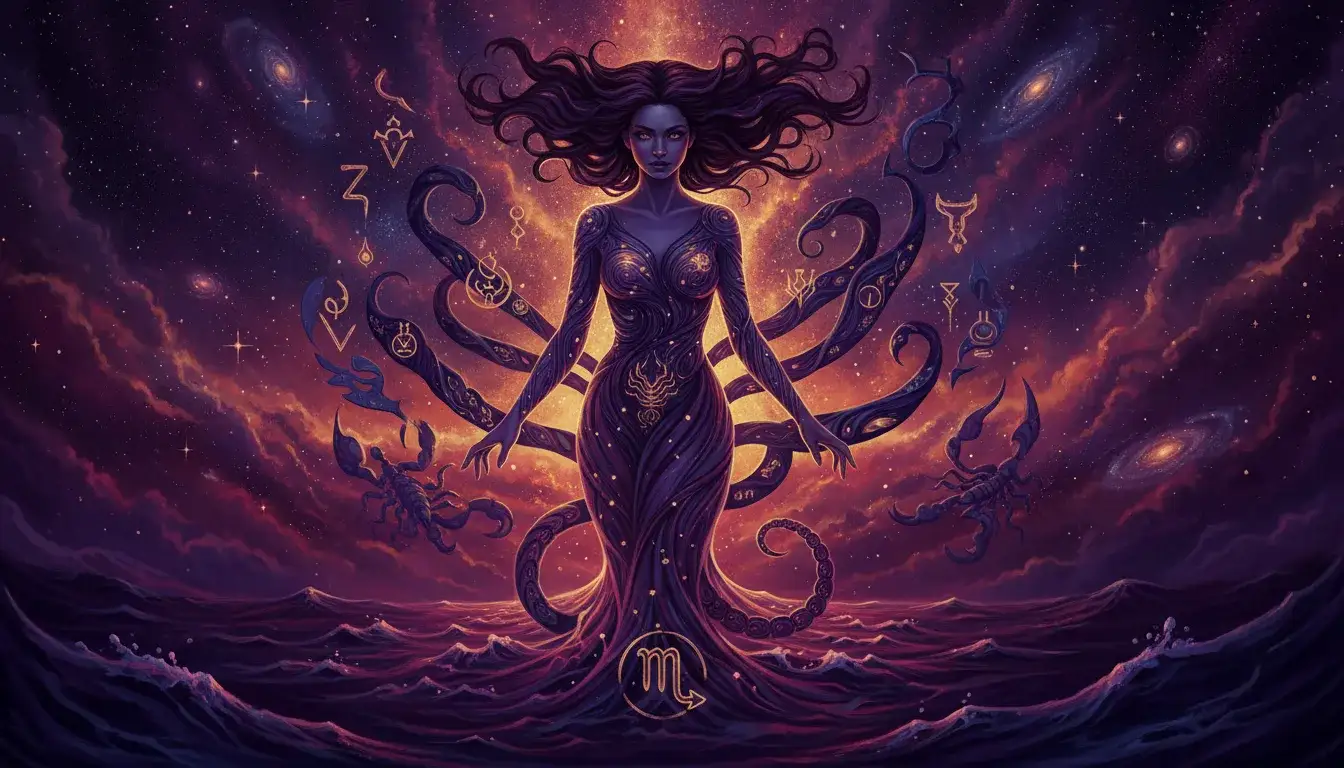
Venus in Scorpio
Intense, transformative, seeks depth
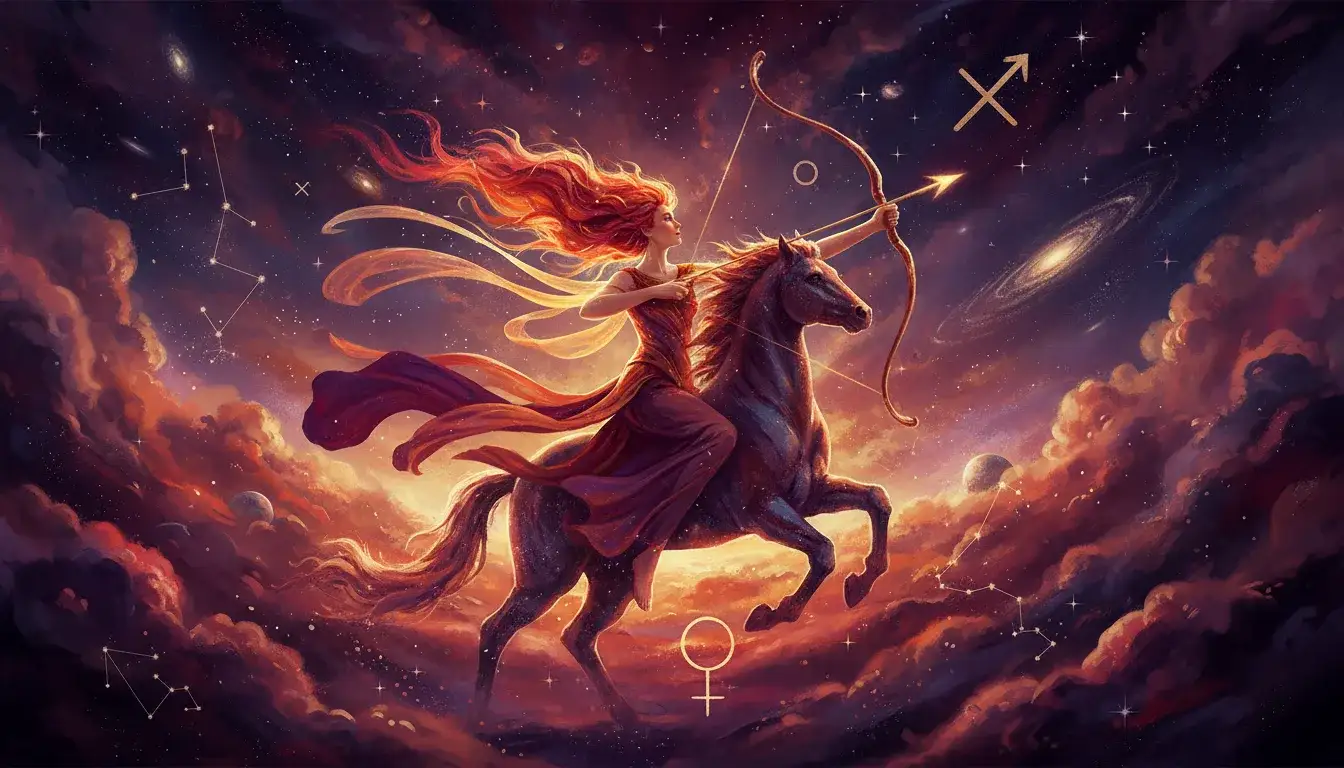
Venus in Sagittarius
Adventurous, optimistic, needs freedom
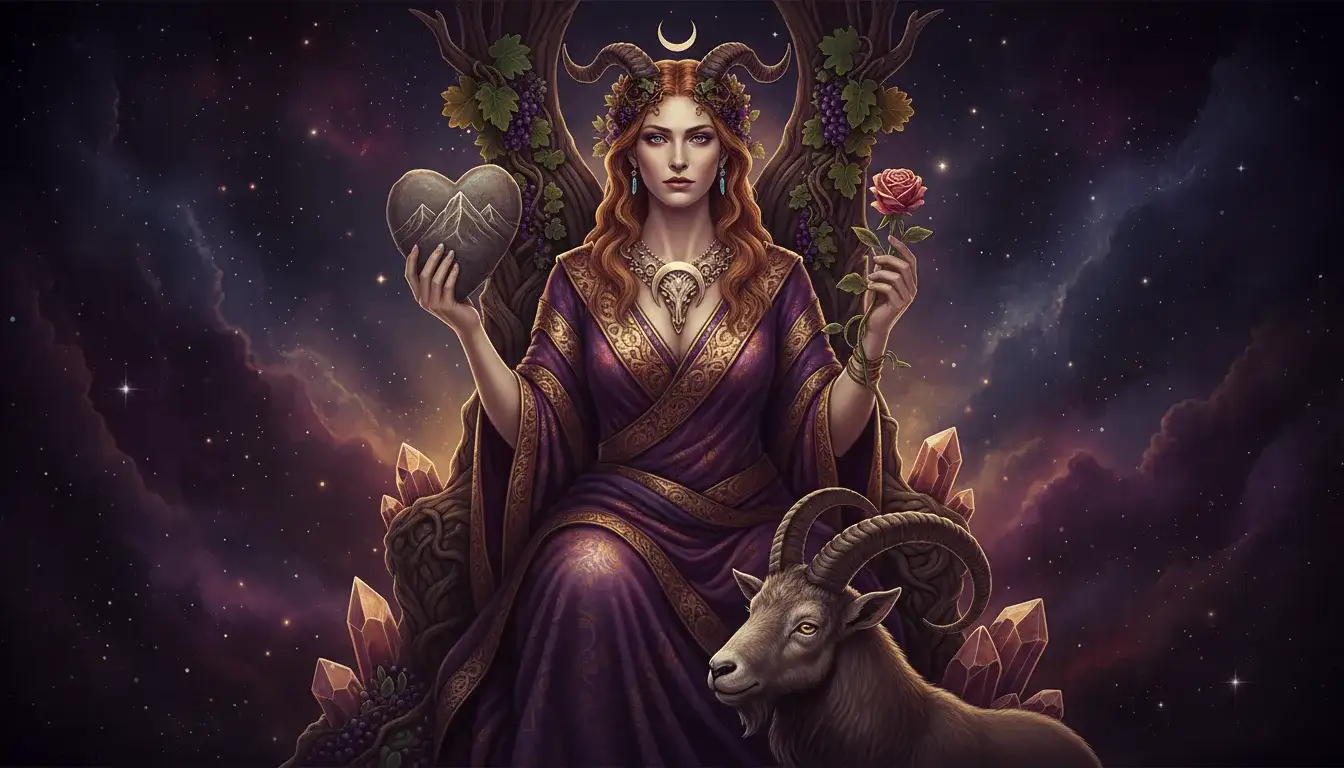
Venus in Capricorn
Committed, responsible, values loyalty
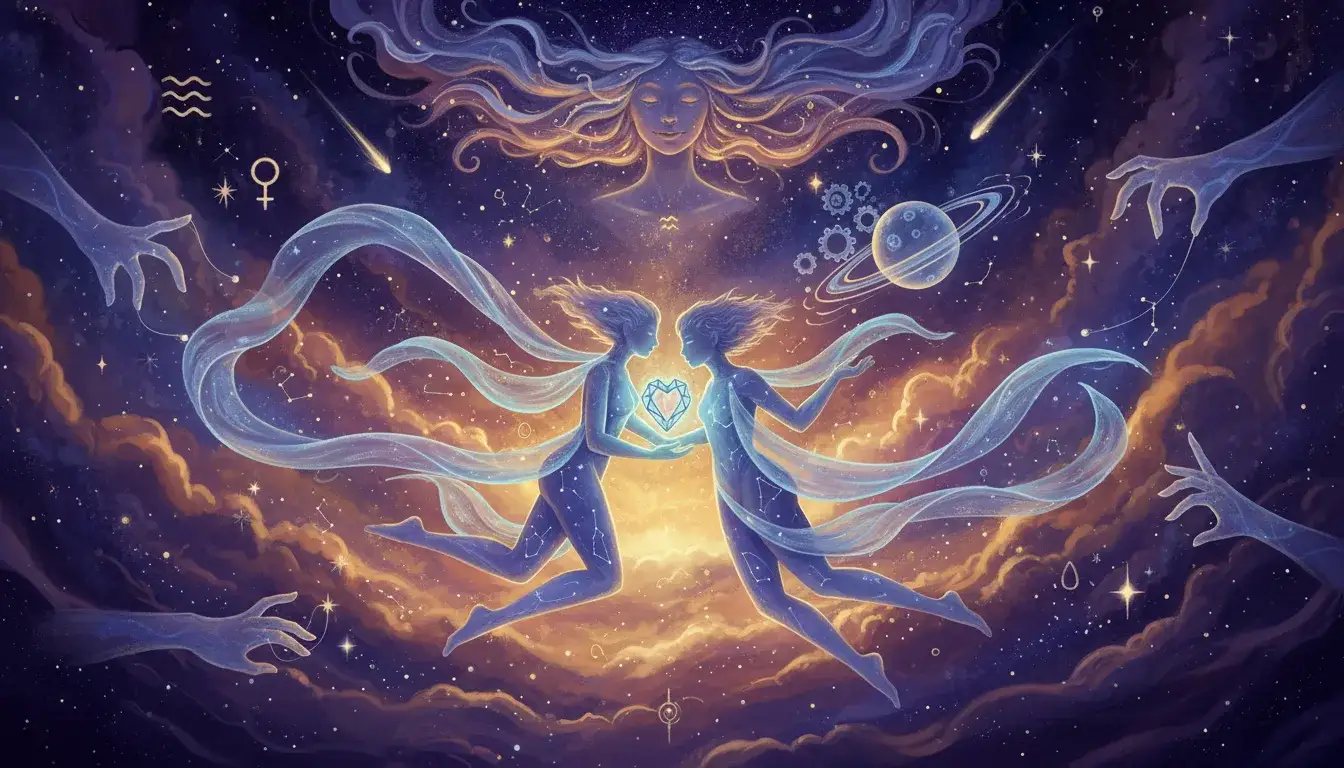
Venus in Aquarius
Unconventional, detached, values friendship in love
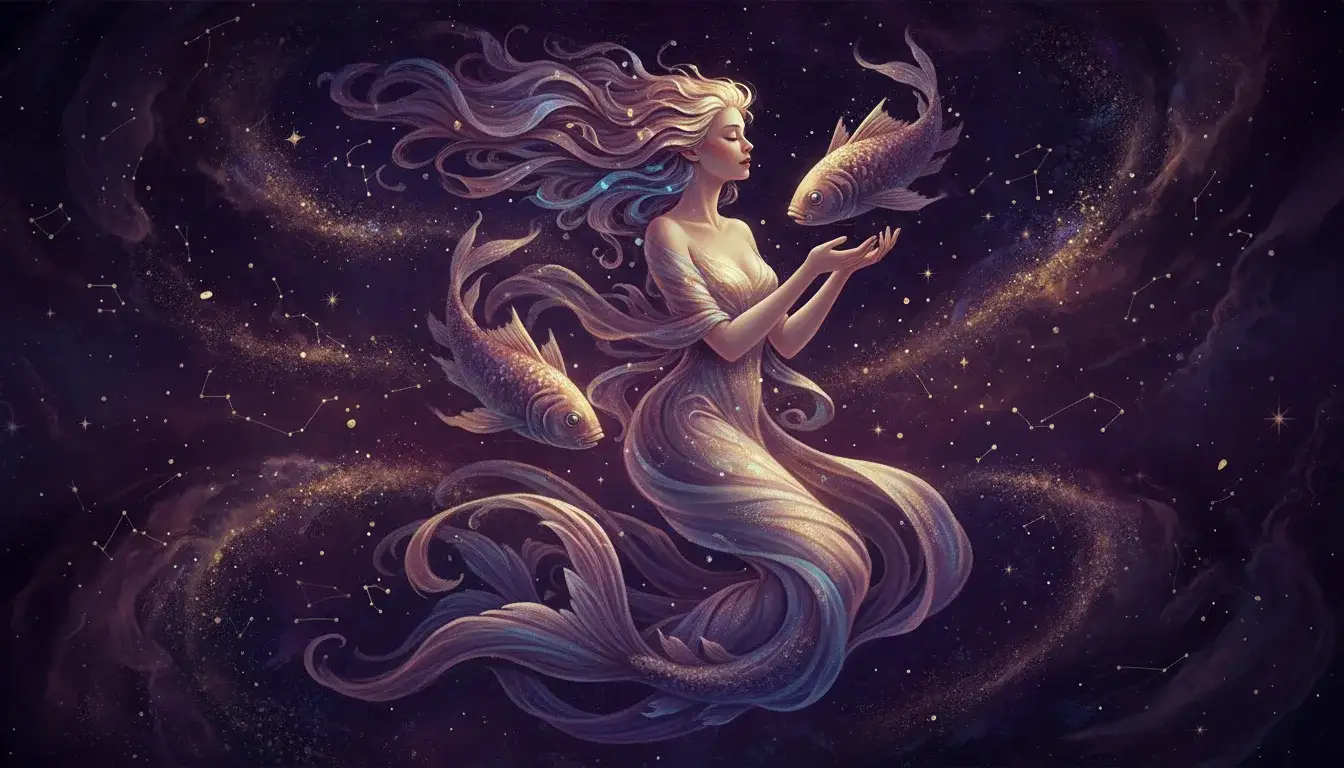
Venus in Pisces
Dreamy, compassionate, merges with the beloved
Venus in Astrological Houses
– Love, Values, and Focus
The house where Venus sits points to where love, pleasure, and values manifest most.

1st House
Charm and beauty shape identity, attractive presence
2nd House
Values resources, self-worth, material comfort
3rd House
Pleasant communication, local connections
4th House
Love of home, family harmony, domestic beauty
5th House
Romance, creativity, pleasure, children
6th House
Service through beauty, health and routine
7th House
Natural home: partnerships, marriage
8th House
Intense bonds, shared resources, transformation
9th House
Love of travel, philosophy, higher learning
10th House
Public image, career through charm, social status
11th House
Friendships, group harmony, shared ideals
12th House
Secret love, spiritual connection, sacrifice
Venus Retrograde – Meaning and Impact
Venus retrograde happens about every 18 months. It’s a time when love, attraction, and personal values turn inward.
This period slows romantic energy. People may question what and who they’re drawn to. It’s common to revisit past relationships or realize a current one isn’t aligned with true values.
Some experience stalled beauty routines or regret after aesthetic changes. Financial decisions may need extra scrutiny. Emotional clarity often comes through contrast — what no longer feels good stands out.
It’s not ideal for starting a new relationship or making major love-related choices. Instead, it’s a moment to reassess what brings joy and to reflect on emotional patterns.
Venus in Vedic Astrology – Shukra and Planetary Dignity
In Vedic astrology, Venus is known as Shukra — a planet of luxury, romance, wealth, and fertility. It governs relationships, beauty, marriage, and material pleasure.
Shukra reflects the ability to enjoy life through sensual and artistic experiences. It is also the teacher of demons in ancient myths, representing wisdom that transcends light and shadow.
Strong Shukra placements support harmony, grace, and fulfillment in love and material life. Challenged placements can lead to excessive indulgence, emotional imbalance, or vanity.
In Jyotish, Venus is well-placed in Libra, Pisces, and Taurus. Afflictions or combust status can reduce its natural sweetness and clarity in matters of the heart.
Venus and Physical Aesthetics
Venus governs beauty and physical magnetism. It shapes personal style, grooming preferences, and aesthetic confidence.
Certain placements may bring natural elegance or artistic expression in fashion. Venus also connects to the voice, skin, lips, and overall softness in appearance.
It’s the planet behind "glow" — the subtle charm that draws others in without loud effort.
Venus in Relationships and Synastry
In relationship astrology, Venus plays a key role in understanding attraction, chemistry, and emotional flow.
When two charts are compared (synastry), Venus shows how people express love and seek closeness. Positive Venus aspects support affection, mutual understanding, and emotional ease.
Hard aspects might indicate conflicting values, different ways of giving love, or emotional friction. But even these dynamics offer growth in self-awareness and relationship patterns.
Venus is especially important in romantic compatibility, but it also matters in friendship and social chemistry.
Venus Transits and Daily Influence
Venus moves quickly, spending about 3–4 weeks in each zodiac sign. During transits, it shapes the emotional atmosphere and affects collective themes in love, beauty, and pleasure.
A Venus transit can bring a desire to connect, beautify, or seek joy. It may influence relationship dynamics, attraction style, and even social trends.
Tracking Venus transits helps tune into times of emotional harmony or aesthetic renewal. It’s also helpful when planning romance, art, or financial steps.
Mythological Background of Venus
Venus was the Roman goddess of love and beauty — equivalent to Aphrodite in Greek mythology. She emerged from sea foam, symbolizing the origin of desire and physical allure.
In stories, she ruled over charm, seduction, fertility, and aesthetic expression. Symbols include roses, mirrors, seashells, and doves — all linked to softness and love.
This mythic background shapes the astrological meaning of Venus as a planet of inner magnetism and external appeal.
Summary – Why Venus Matters in Astrology
Venus governs how people love, what they value, and how they experience pleasure. It defines taste, attraction, emotional expression, and beauty.
Its sign and house reveal much about romantic patterns, aesthetic preferences, and relational needs. Whether through creative expression, romantic connection, or personal style — Venus shows the pathway to harmony and joy.