Astrology treats planets as symbols of inner drives, habits, and life themes. Astronomy studies physical objects, distances, and motion through space.
In astrology, the Sun and Moon count as planets due to visible influence on human experience. This approach comes from ancient observation rather than modern physics.
Each planet represents a specific type of energy or motivation. These meanings grew from mythology, cycles of time, and repeated patterns in human behavior.
Planetary symbolism focuses on how people think, feel, act, and respond to change. The system reads meaning, not gravity, mass, or orbital mechanics.
In a natal chart, planets mark personal tendencies present at birth. Their positions form a snapshot of psychological makeup and life direction.
Signs describe expression style, while houses show life areas where energy appears. Planets act as the drivers behind both layers.
Astrology links planetary motion with timing and inner shifts. Transits highlight periods of growth, tension, or reflection across life stages.
This symbolic framework helps explain behavior patterns and emotional responses. It also supports self-awareness rather than prediction or scientific measurement.
Planets remain the core language of astrology across traditions. Without them, charts lose structure, context, and depth of interpretation.
What Are Planets
in Astrology?
Symbolism Over Science
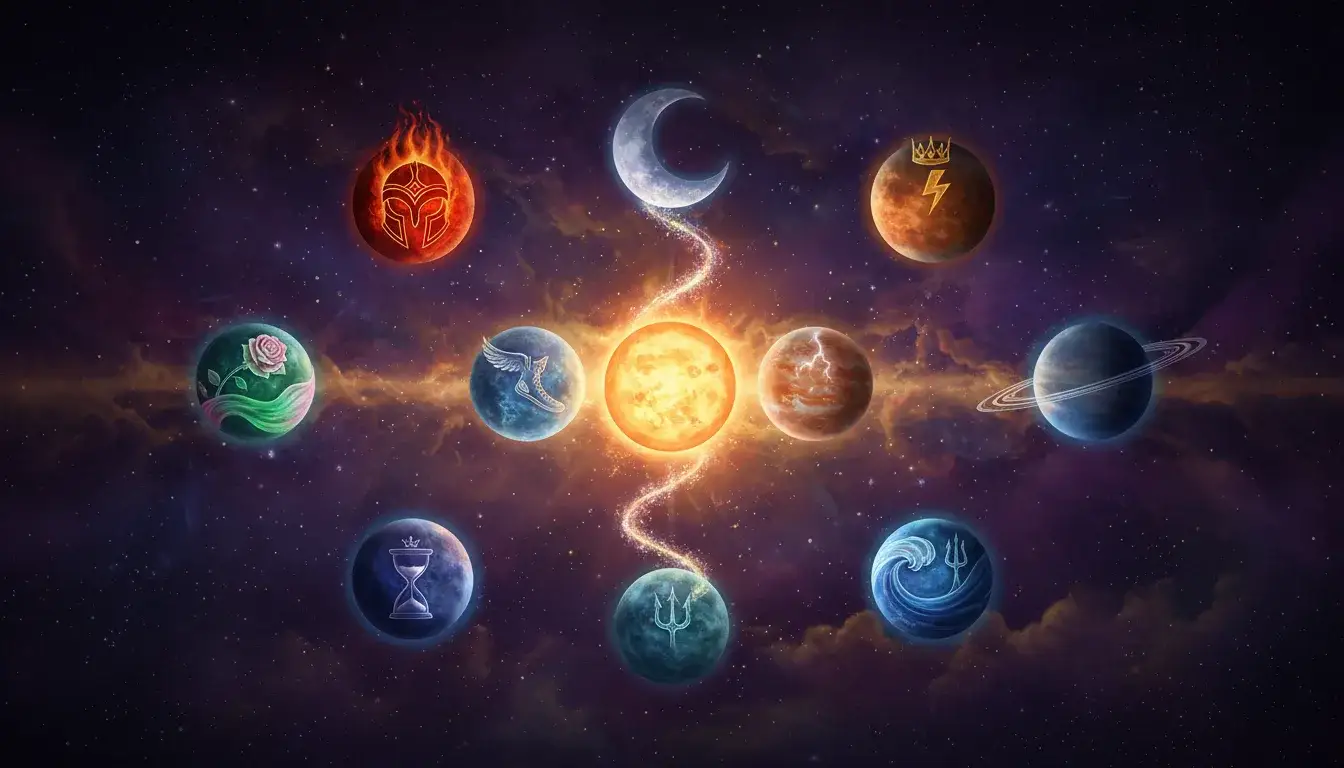
In astrology, planets function as archetypes rather than physical objects. Each one reflects a distinct type of energy linked to behavior, motivation, and inner reactions. These meanings come from ancient mythology, especially Greek and Roman traditions. Gods and goddesses shaped symbolic traits later assigned to planets. Mars connects with action and conflict, Venus with attraction and values, Saturn with structure and limits. Such associations formed long before telescopes or modern astronomy.
Astrology does not rely on gravity, mass, or distance. Interpretation focuses on psychological resonance and recurring human patterns. Planetary symbolism describes how energy expresses itself within a person. This system reads meaning through cycles and symbols, not scientific measurement.
Planets vs Signs vs Houses
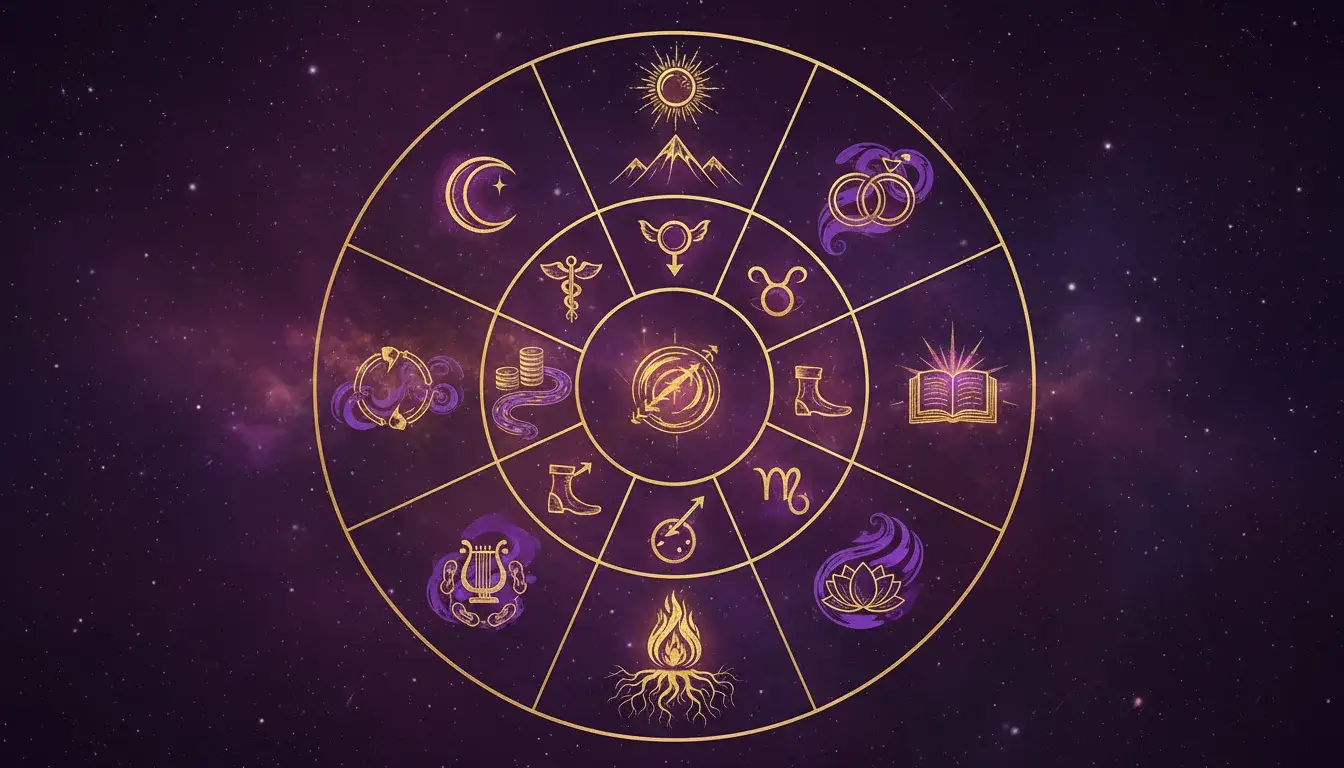
Astrology works through three core components: planets, signs, and houses. Each part answers a different question in chart interpretation.
Planet
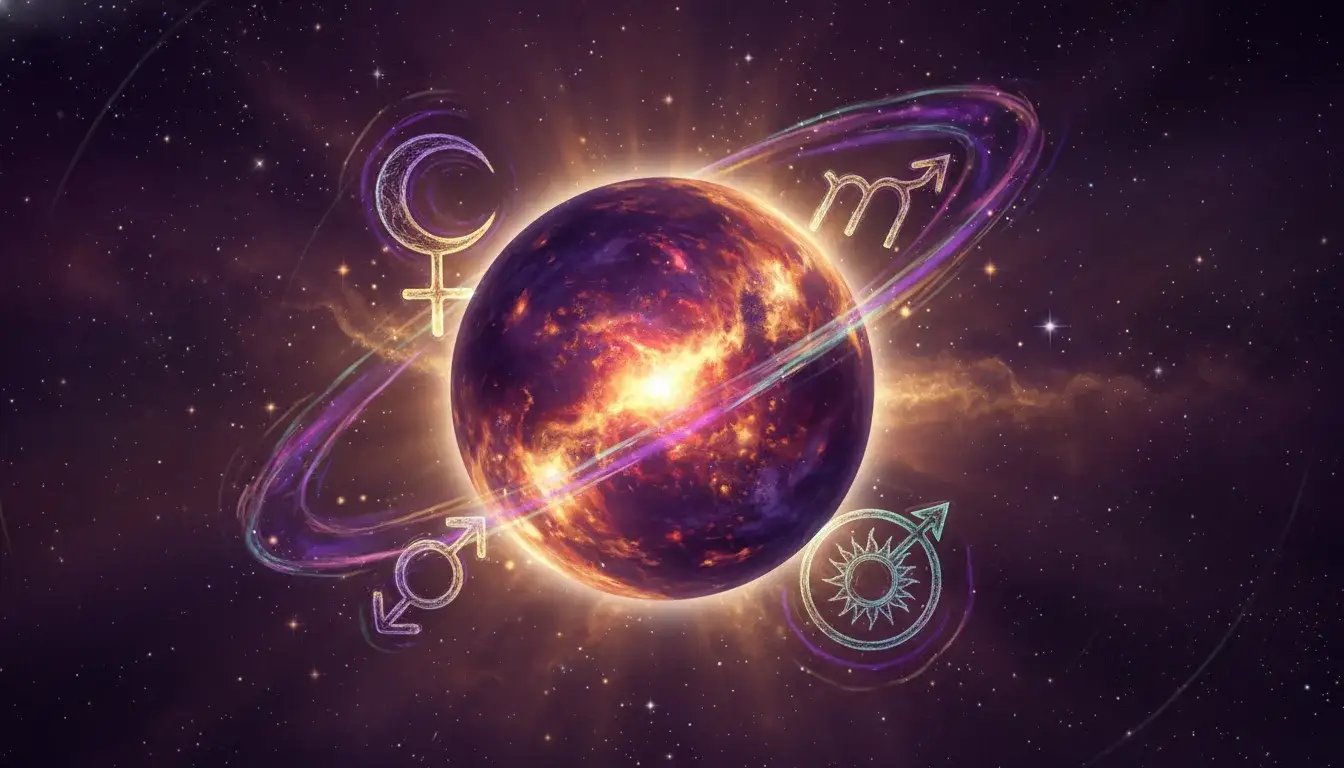
Shows what type of energy is active
Sign
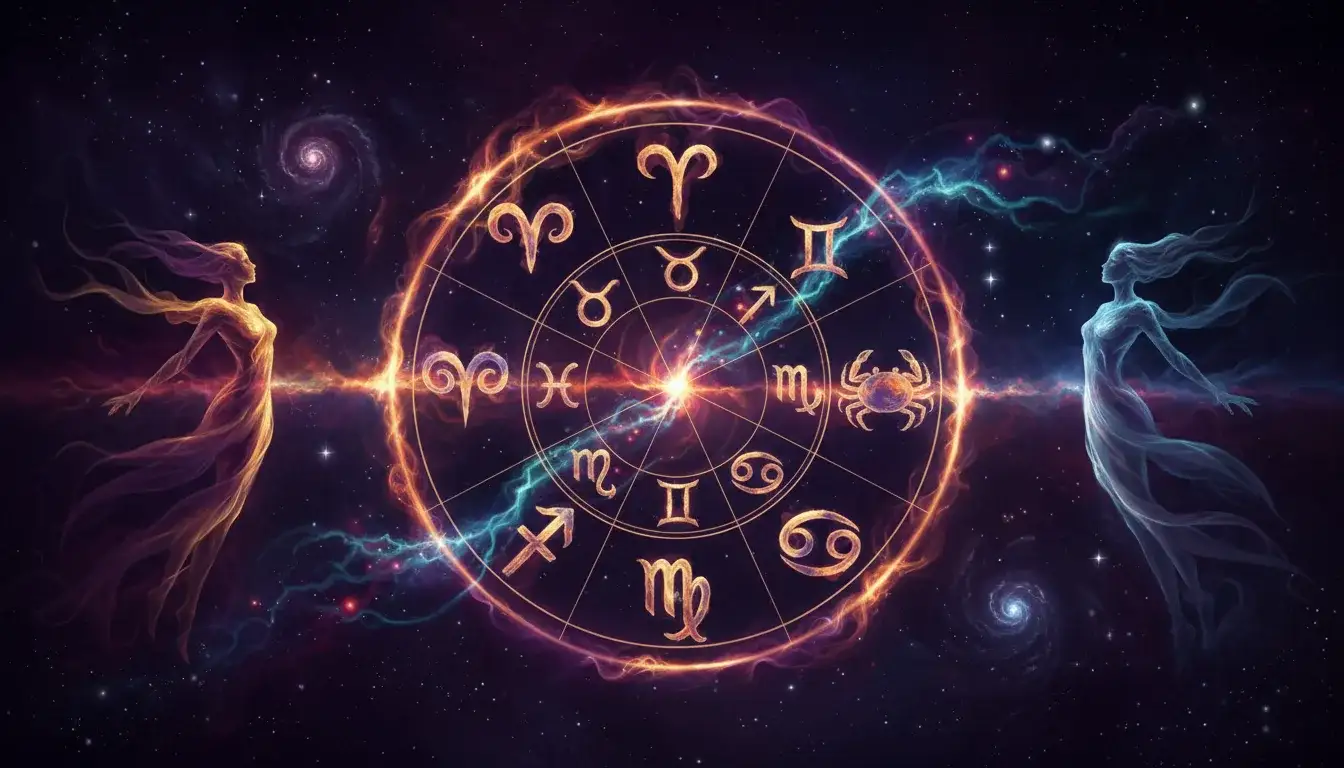
Explains how this energy expresses itself
House
Points to where it appears in life
A planet describes the drive itself, such as thinking, desire, or ambition. Without signs and houses, this energy lacks direction. Signs shape tone and behavior style. Mars in Aries acts directly, while Mars in Cancer reacts emotionally. Houses connect planetary energy to real-life topics. Venus in the seventh house links values and attraction with partnerships.
This structure keeps astrology organized and readable. Every chart becomes a layered system rather than a list of traits. Together, planets, signs, and houses form a complete symbolic language. Each layer adds clarity without overlapping meaning.
The Classification
of Astrological Planets
Astrological planets are grouped by speed and influence. The slower the planet moves, the broader its impact across time and society.
This division helps clarify how planets function in the natal chart. Fast-moving ones shape personality and habits. Slower ones define long-term patterns and generational shifts.
Three main groups exist: personal, social, and outer (transpersonal) planets. Each category plays a different role in astrological interpretation.
Personal Planets
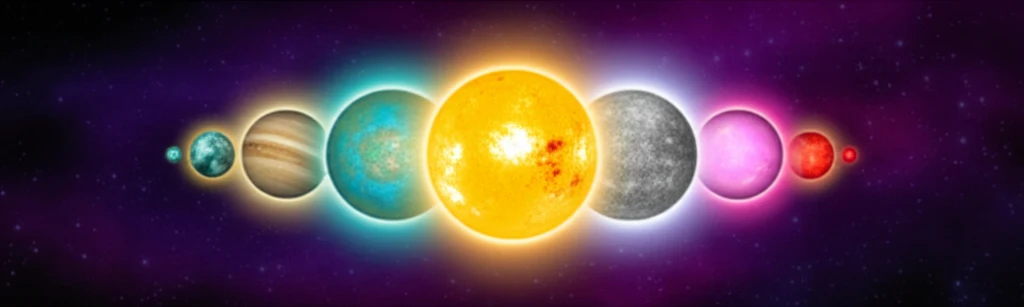
The personal planets include the Sun, Moon, Mercury, Venus, and Mars. These move quickly and reflect core aspects of everyday behavior. They shape how a person thinks, feels, acts, and relates to their immediate environment. Their influence shows up in speech patterns, emotional responses, and relationship dynamics. Because of their speed, personal planets vary greatly from one person to another—even among those born close together. They form the foundation of individuality and self-expression.
Social Planets
Jupiter and Saturn belong to the social category. They move slower than personal planets but still affect individual experience in noticeable ways. Jupiter deals with growth, beliefs, opportunity, and how people seek meaning. Saturn represents rules, time, responsibility, and external pressure. Together, these two shape a person's ethics, boundaries, and interactions with community and authority. They influence how one fits into systems and navigates limits or ambitions.
Transpersonal / Outer Planets
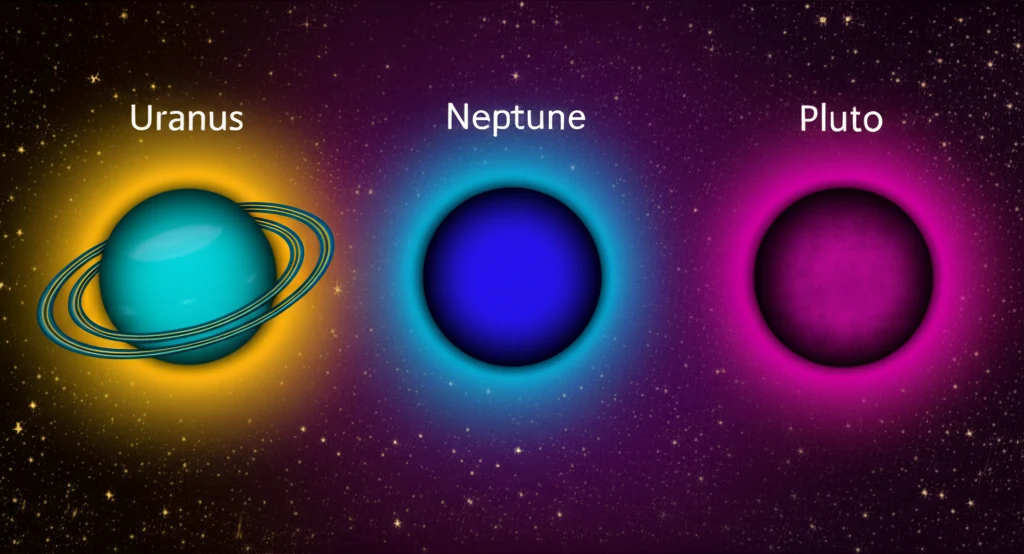
Uranus, Neptune, and Pluto are considered outer planets. Their orbits are much longer, so they stay in each zodiac sign for years or even decades. These planets reflect deep psychological shifts and broader social themes. Their placement influences generational traits and large-scale change. In personal charts, they highlight areas tied to transformation, intuition, or rebellion. These energies often work in the background, surfacing during major life transitions or crises.
The Meanings
of the 10 Planets in Astrology
Each planet in astrology carries a specific energy that shapes thought, feeling, and behavior. They represent universal forces acting through individual lives. Every planet has a domain where its influence is strongest, a symbolic strength, and a shadow side that appears when the energy is blocked or overused.
Each planet in astrology represents a distinct type of energy. These energies shape behavior, emotional response, and how people interact with their environment. The symbolic meaning of each planet includes its strengths, challenges, and areas of life it most strongly influences.
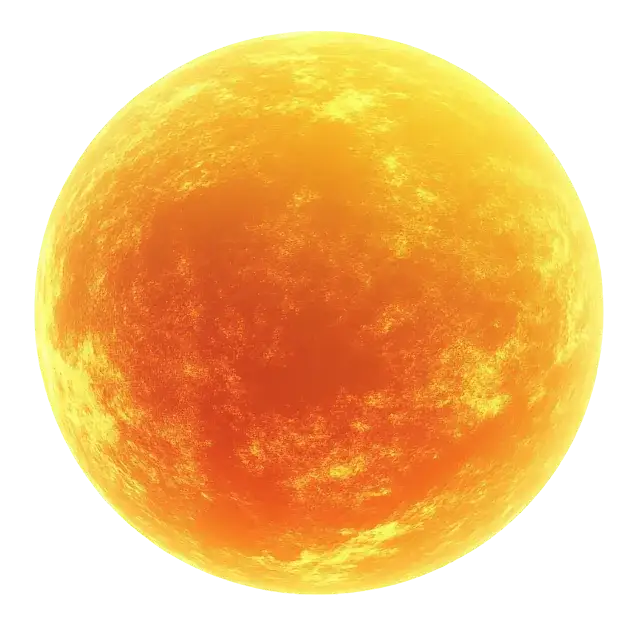
The Sun
Keywords: identity, vitality, self-expression. Drives purpose, direction, personal will.
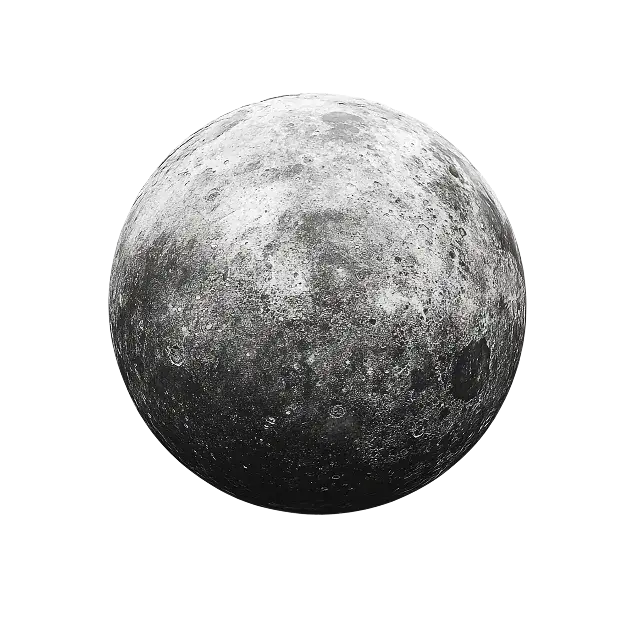
The Moon
Keywords: emotions, instincts, inner world. Reveals emotional needs and unconscious habits.
Mercury
Keywords: thinking, communication, perception. Shapes how someone processes information.
Venus
Keywords: love, beauty, attraction, values. Governs relationships, romance, affection.
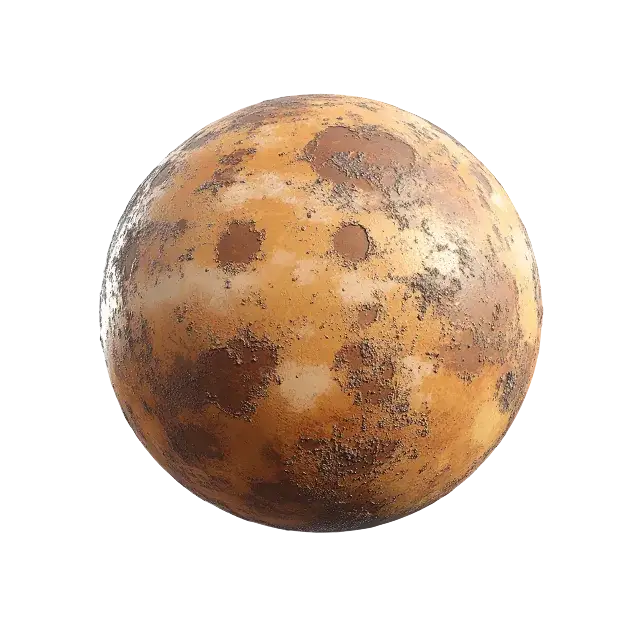
Mars
Keywords: action, drive, passion, aggression. Fuels ambition, competition, physical energy.
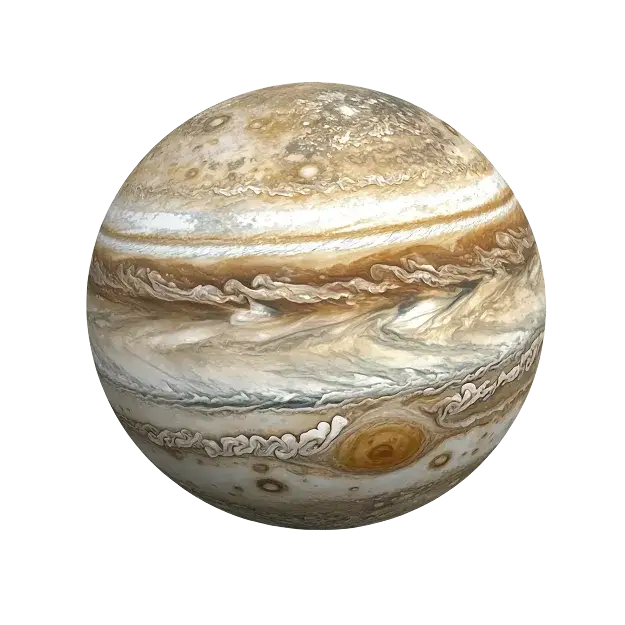
Jupiter
Keywords: growth, philosophy, expansion, beliefs. Promotes optimism, exploration, learning.
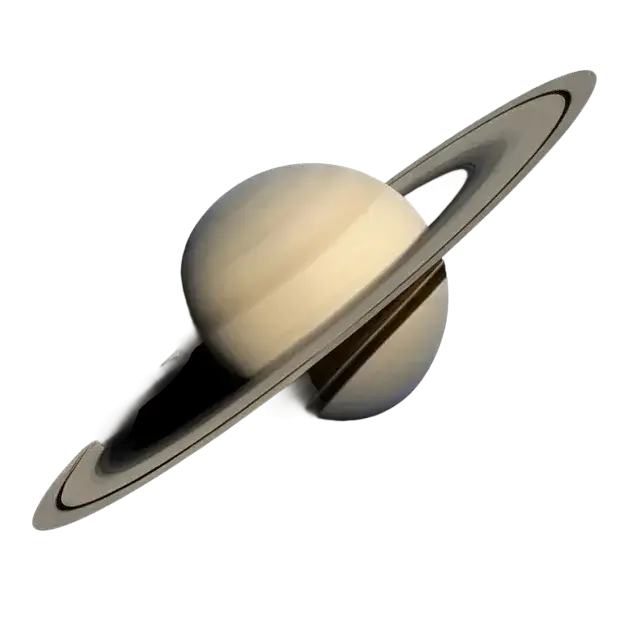
Saturn
Keywords: structure, discipline, responsibility, limitations. Teaches patience, control, realism.
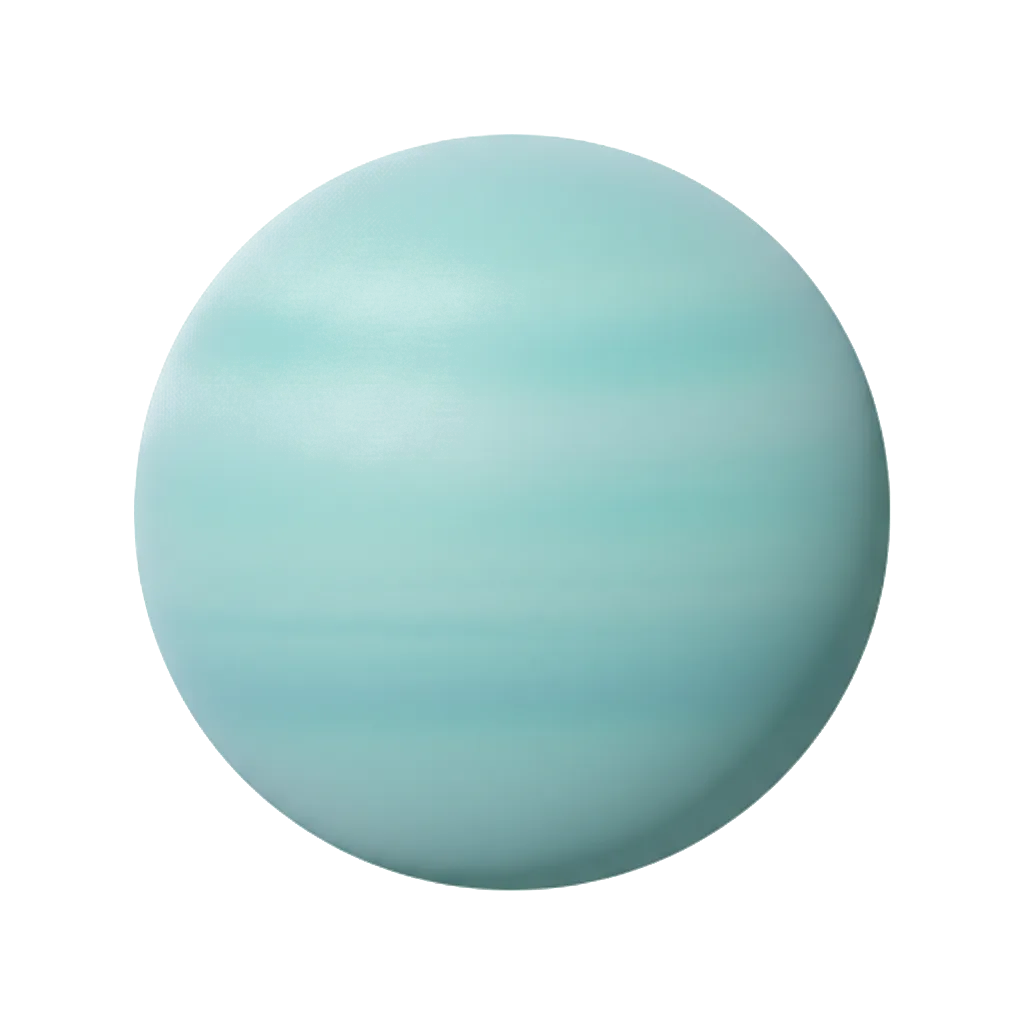
Uranus
Keywords: change, freedom, disruption, originality. Inspires innovation and sudden shifts.
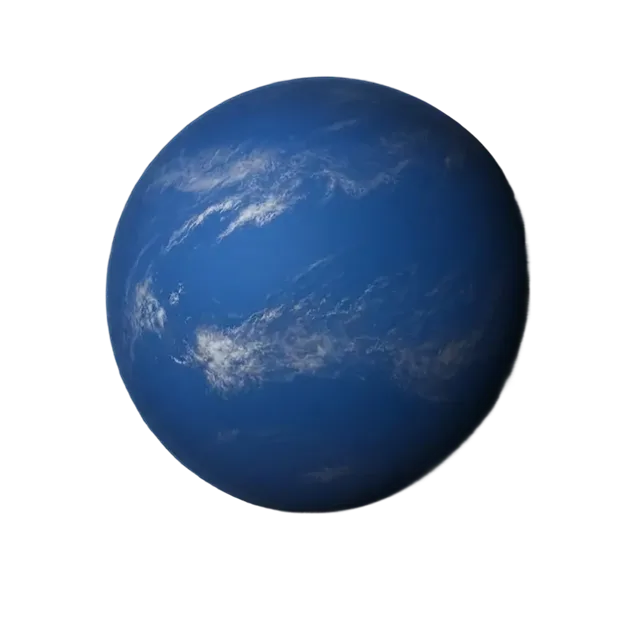
Neptune
Keywords: dreams, illusion, creativity, spirituality. Rules imagination, empathy, escapism.
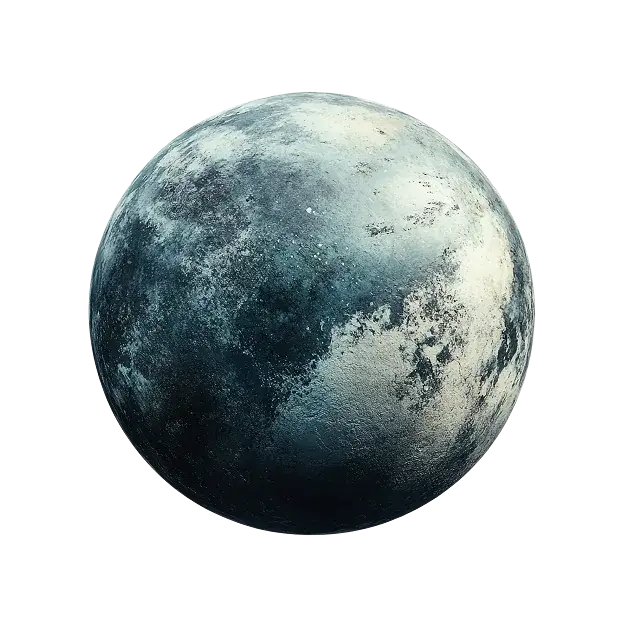
Pluto
Keywords: power, transformation, rebirth, control. Governs deep change and inner strength.
Traditional vs Modern Astrological Planetary Systems
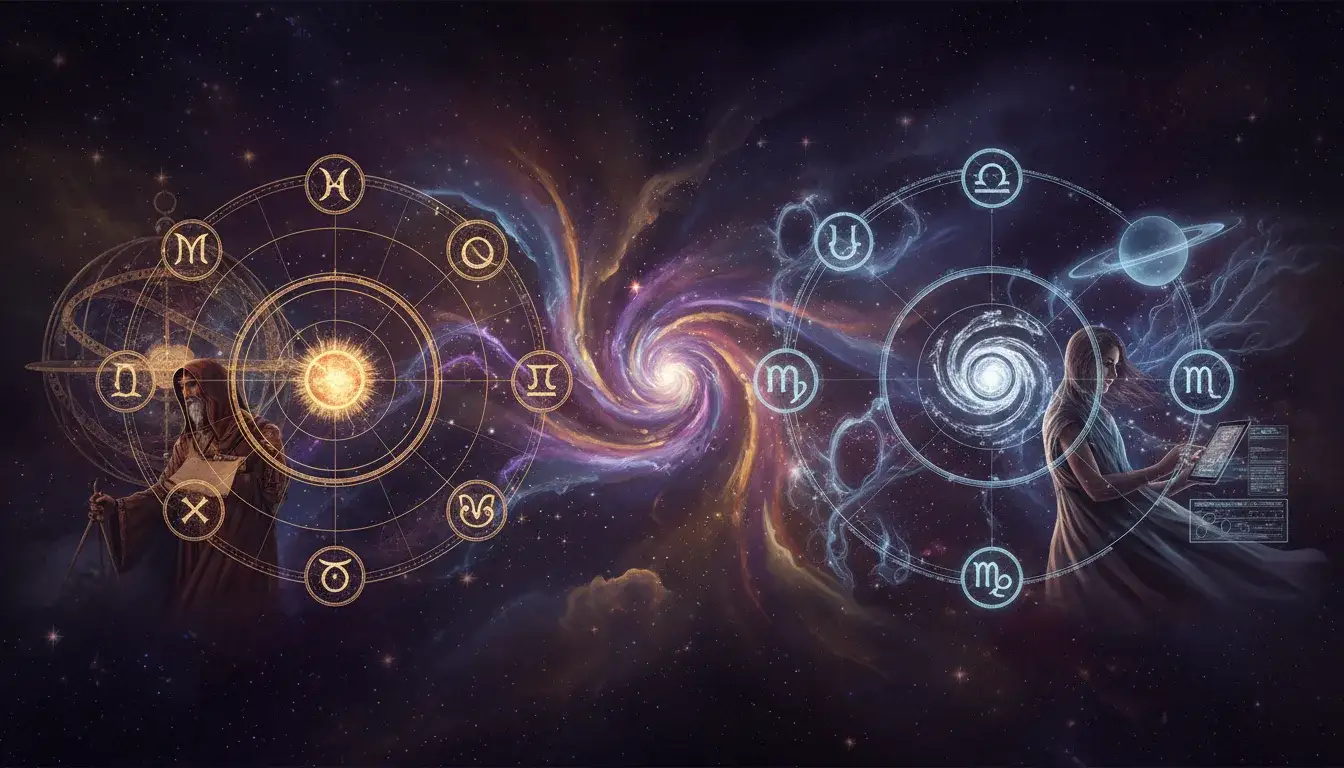
Astrology has evolved alongside astronomical discovery. Older systems relied only on planets visible without telescopes. Modern astrology includes celestial bodies discovered in the last few centuries. This shift affects how charts are read and how deeply transformation is explored.
Traditional astrology focuses on the seven classical planets. These were central in Hellenistic, Medieval, and Vedic practices. Modern systems add Uranus, Neptune, and Pluto to reflect psychological and generational themes.
Both systems interpret planetary influence symbolically, but their scopes differ. Traditional astrology emphasizes visible impact and practical events. Modern astrology explores inner evolution, shadow work, and unconscious patterns.
Some astrologers combine both systems, using traditional rules with modern insights. Others stick strictly to one framework based on philosophical or technical preferences.
The Classical Seven Planets
Before telescopes, astrology worked with the Sun, Moon, Mercury, Venus, Mars, Jupiter, and Saturn. These were the only moving lights seen in the sky without instruments.
Each planet was tied to a deity and had specific symbolic traits. Their meanings were passed down through Babylonian, Greek, Roman, and Arabic traditions.
These seven formed the basis for rulerships, dignity systems, and timing techniques. They remain central in traditional astrology schools, including Vedic and Medieval systems.
Discovery of Outer Planets
Uranus was discovered in 1781, Neptune in 1846, and Pluto in 1930. These bodies move slowly, spending years in a single sign.
Because of their distance and invisibility, they were not part of traditional charts. However, modern astrologers found them relevant to mass psychology, societal change, and inner transformation.
They represent forces beyond personal control—rebellion, dreams, and regeneration. Traditionalists often omit them, while modern astrologers treat them as essential for deep interpretation.
Planetary Dignities
and Debilities
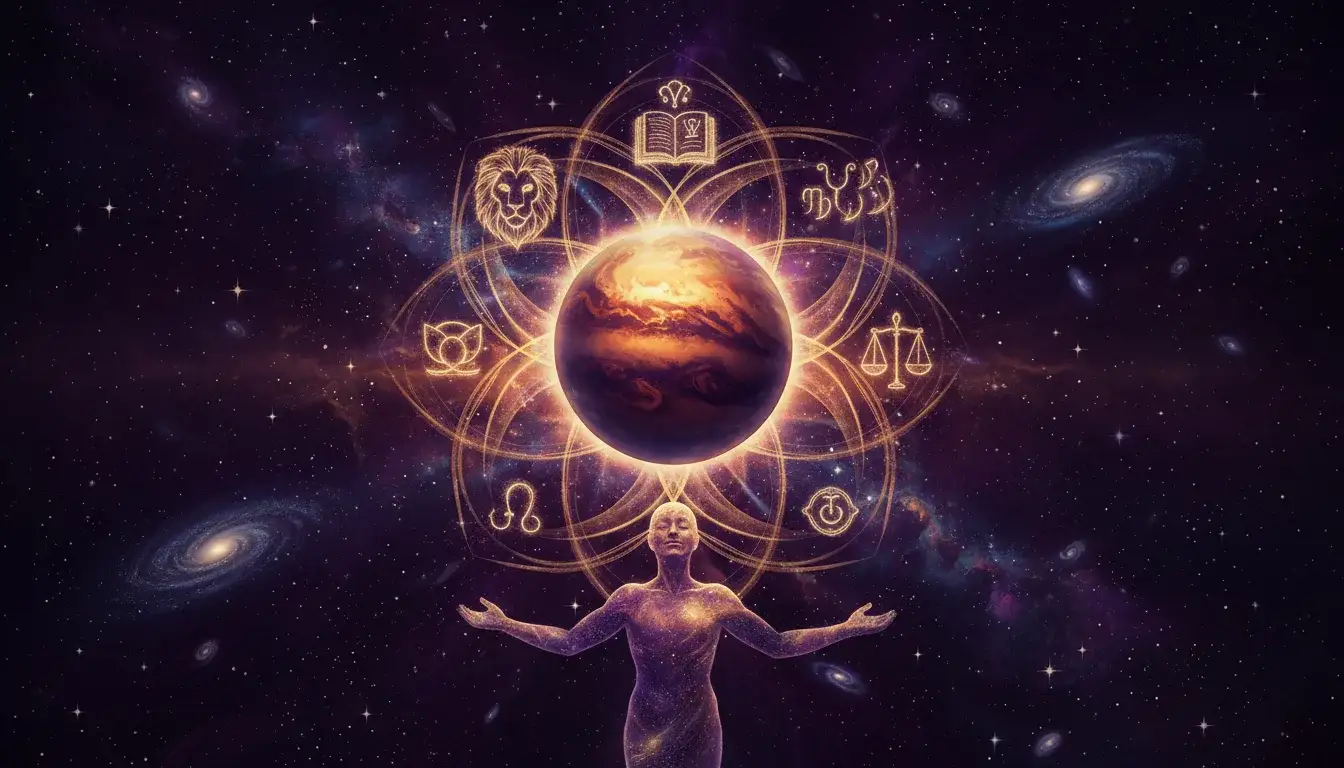
In astrology, each planet has conditions under which it functions more or less effectively. These conditions are known as dignities and debilities. They show how naturally a planet operates in a specific sign, influencing its strength and clarity in the natal chart.
There are four main states:
Rulership
The planet feels at home. Its traits express clearly and confidently.
Exaltation
The planet operates in a refined, elevated form. Its energy is enhanced and often admired.
Detriment
The planet is in the sign opposite its rulership. Its traits may feel out of sync or harder to access.
Fall
The opposite of exaltation. The planet struggles to function naturally, often requiring extra effort or awareness.

Mars exalted in Capricorn
Combining drive with discipline and ambition.
Moon exalted in Taurus
Emotional security finds stability and peace.
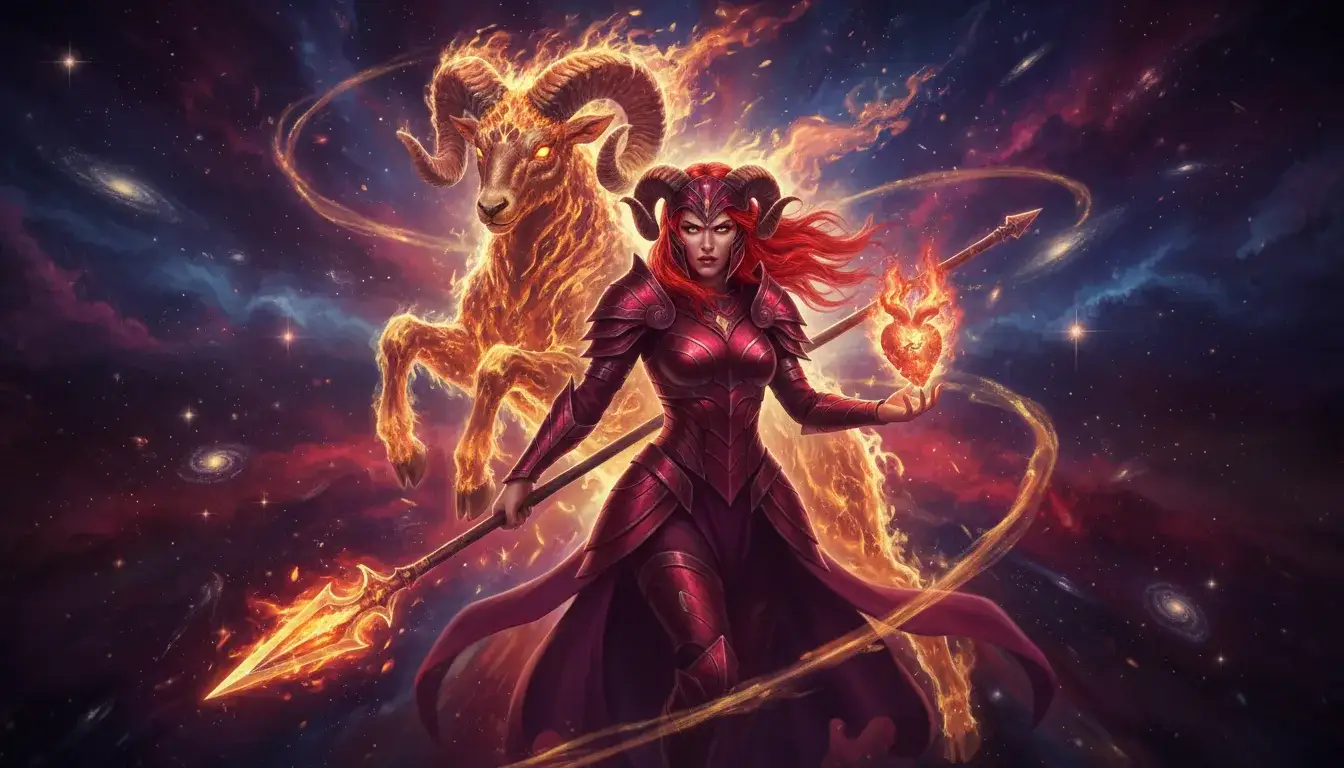
Venus in Aries (detriment)
Love more impulsive and confrontational.
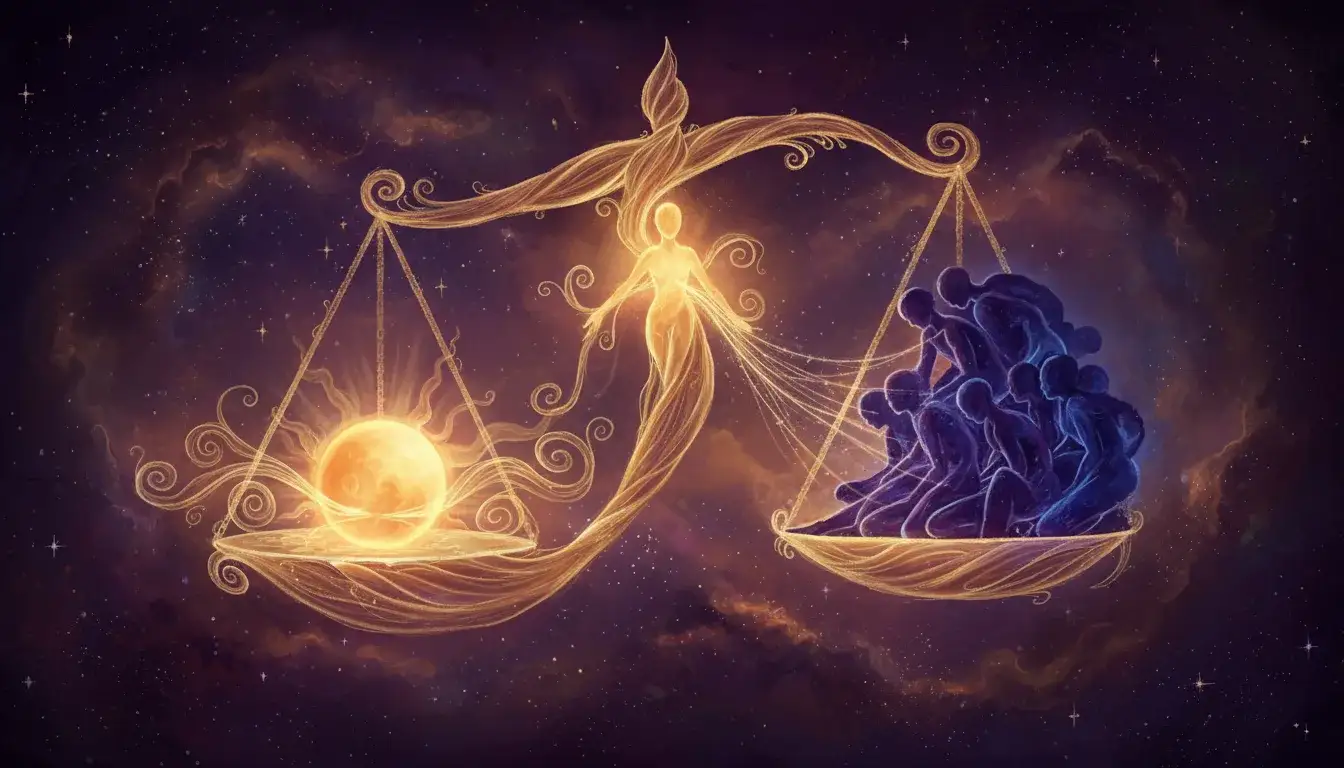
Sun falls in Libra
Identity can become dependent on others.
These states help astrologers assess how easy or difficult it is to express a planet's energy. A planet in dignity often acts without resistance. One in debility may create frustration, blockages, or overcompensation.
Examples:
Understanding dignities adds nuance to chart interpretation. It highlights which energies flow naturally and which require conscious development.
Planets in Signs and Houses
Planets express energy, but their style and focus depend on placement. The zodiac sign modifies how a planet behaves, while the house shows where in life that energy shows up. This dual structure allows astrologers to read both personality traits and real-world expression.
Each planet's core meaning stays the same, but the sign alters its flavor. Meanwhile, the house anchors the energy into a life domain like career, home, or relationships.
Understanding both sign and house placement adds depth to chart interpretation. It connects abstract traits to actual behavior, context, and life experience.
How Planets Behave in Zodiac Signs
A zodiac sign shapes how a planet expresses its energy. The sign provides tone, speed, emotional charge, and behavioral habits.
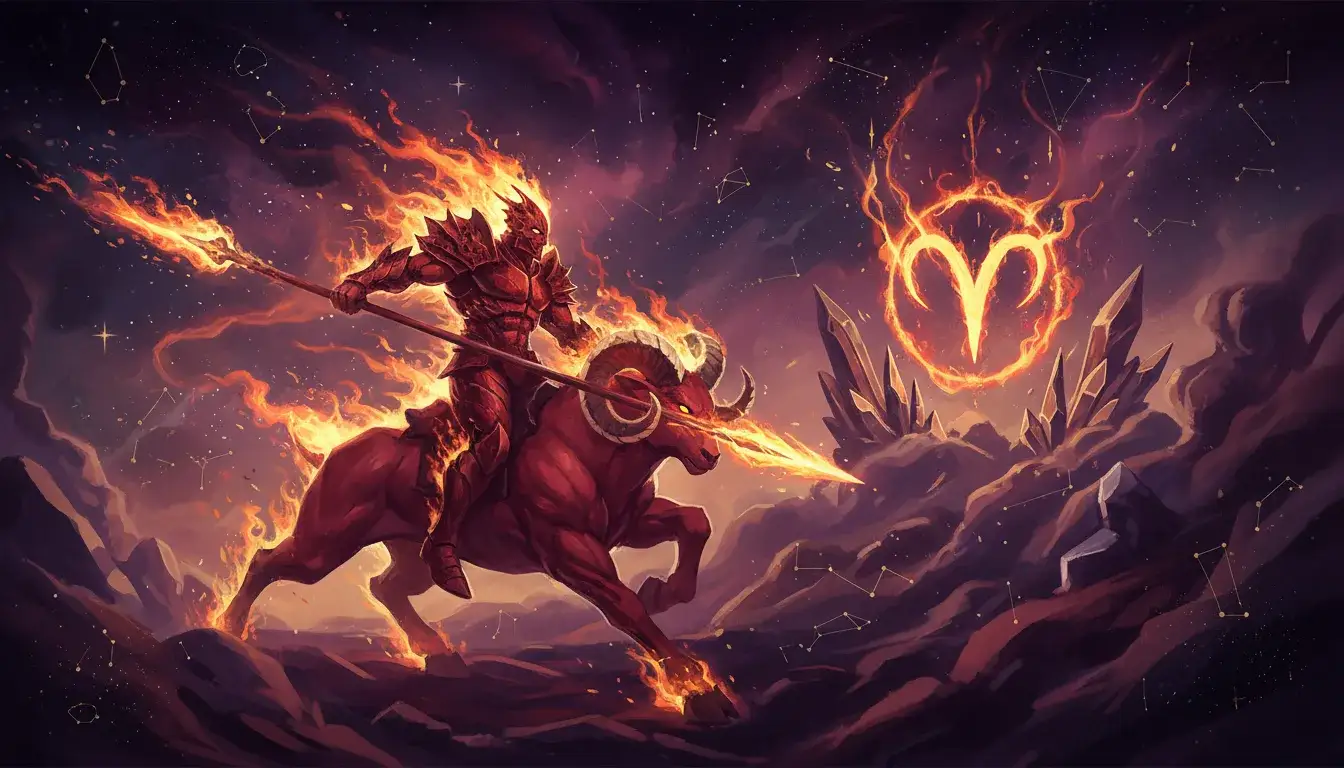
Mars in Aries
Acts directly, quickly, and assertively. Charges forward and embraces competition.
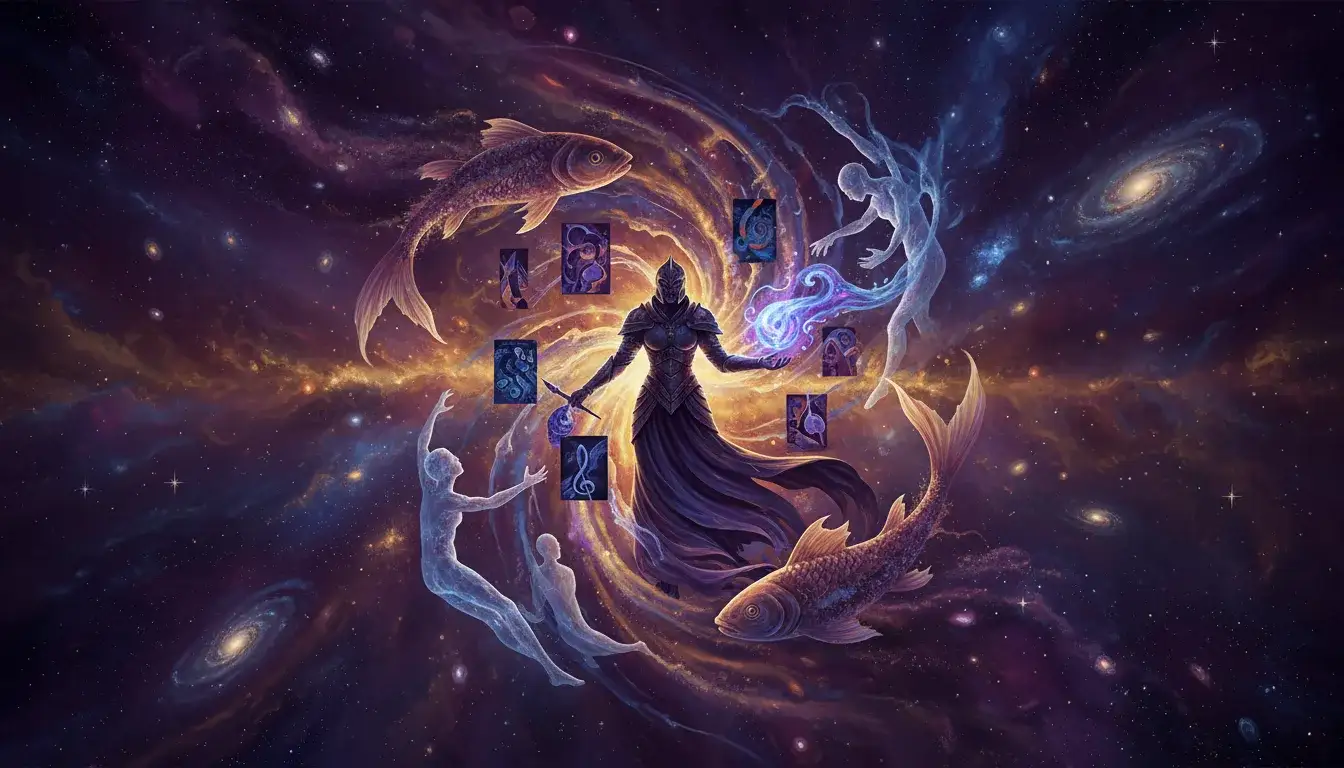
Mars in Pisces
Less direct. May channel energy into art, spirituality, or helping others.
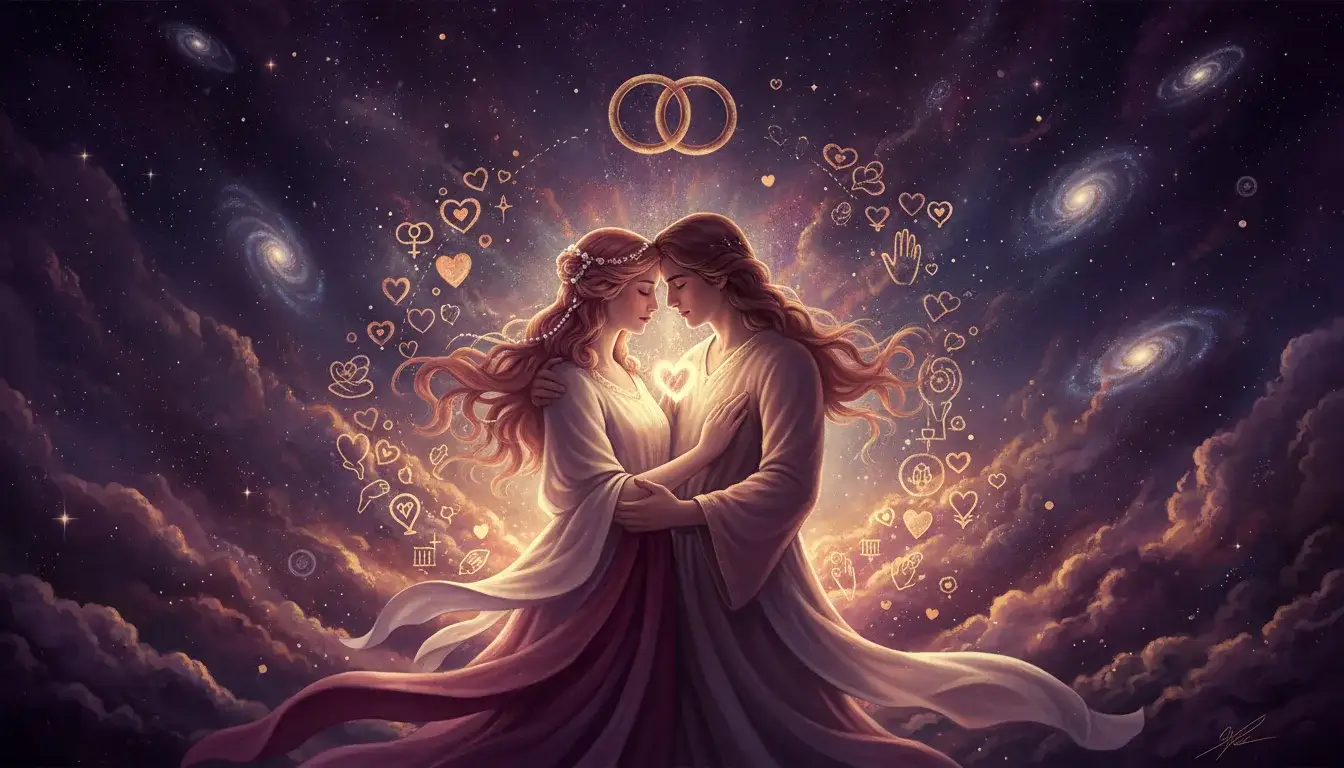
Venus in the 7th house
Highlights relationships, harmony, and emotional connection in partnerships.
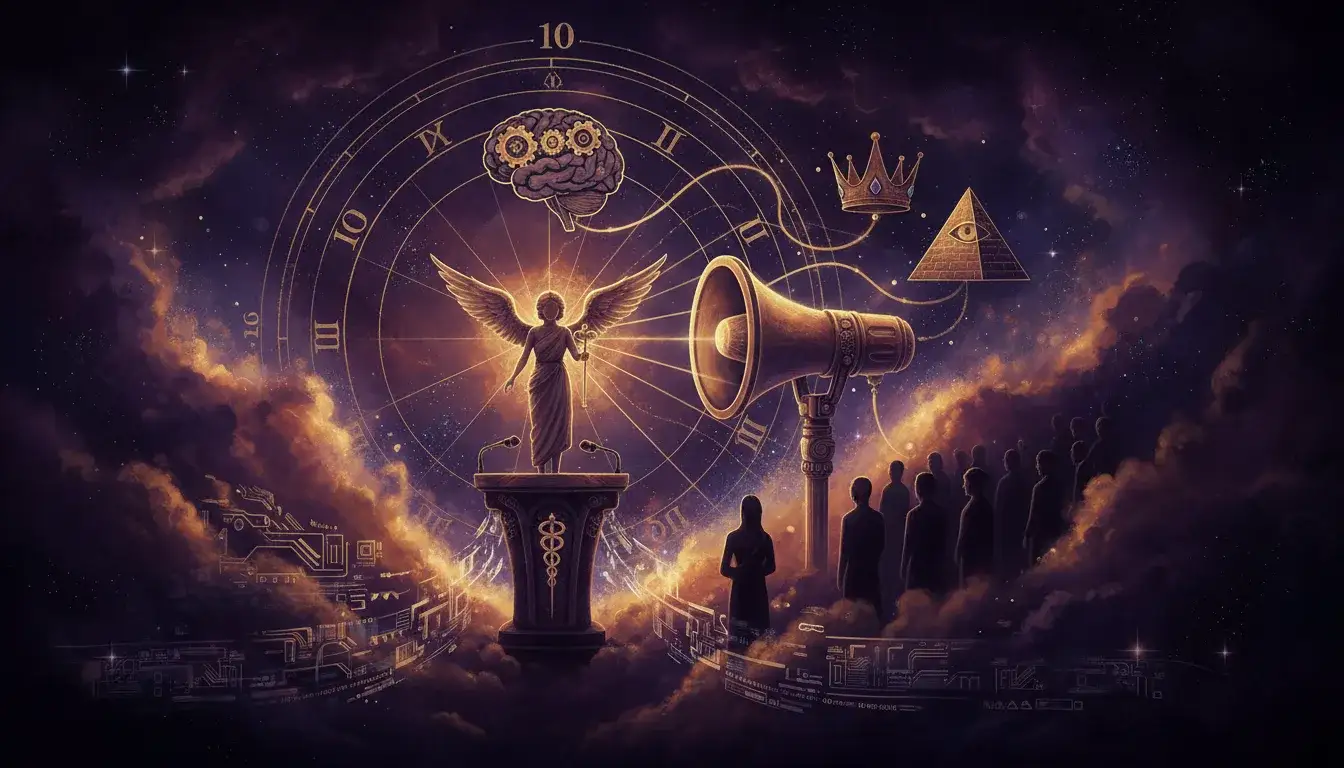
Mercury in the 10th house
Focuses on communication in career, reputation, and public speaking.
The same planet behaves differently depending on the sign. One might bring strength and clarity, while another softens or diffuses expression.
Signs don't change the planet's purpose—only its style and approach. This variation helps explain personality differences even when people share the same planets.
How Planets Manifest in Astrological Houses
The house placement shows where a planet's energy is most active. Each of the twelve houses represents a different life area.
A planet in the 4th house may express at home or through family. One in the 11th connects with groups, friends, and goals.
This layer grounds astrology in practical experience. It reveals not just how someone behaves—but where that behavior shows up most clearly.
Planetary Aspects
and Their Influence
Aspects describe the angular relationships between planets in a natal chart. These angles shape how planetary energies interact—sometimes blending smoothly, other times creating tension or inner conflict.
The five major aspects include:
Conjunction
merging energies
Opposition
polarity, reflection
Square
tension, friction
Trine
harmony, ease
Sextile
cooperation, opportunity
These angles reveal the internal dialogue between different parts of the psyche. A square between Moon and Mercury may signal emotional conflict with logic. A trine between Venus and Jupiter could suggest ease in love and generosity.
Harmonious aspects support integration and fluid expression. Challenging ones highlight areas of inner friction that often drive personal growth.
Aspects help explain why the same planetary placements work differently in different charts. They add complexity and realism, showing that personality isn't made of isolated traits—but dynamic, interacting forces.
Planetary Retrogrades
and Their Meaning
In astrology, retrograde motion refers to a planet appearing to move backward through the zodiac. This is an optical illusion caused by differences in orbital speed. Symbolically, retrogrades represent a turning inward of the planet's energy.
When a planet is retrograde, its usual expression becomes more reflective or delayed. Instead of outward action, it prompts revision, introspection, or reevaluation. This can affect communication, relationships, motivation, or plans—depending on the planet involved.
Key retrogrades include:
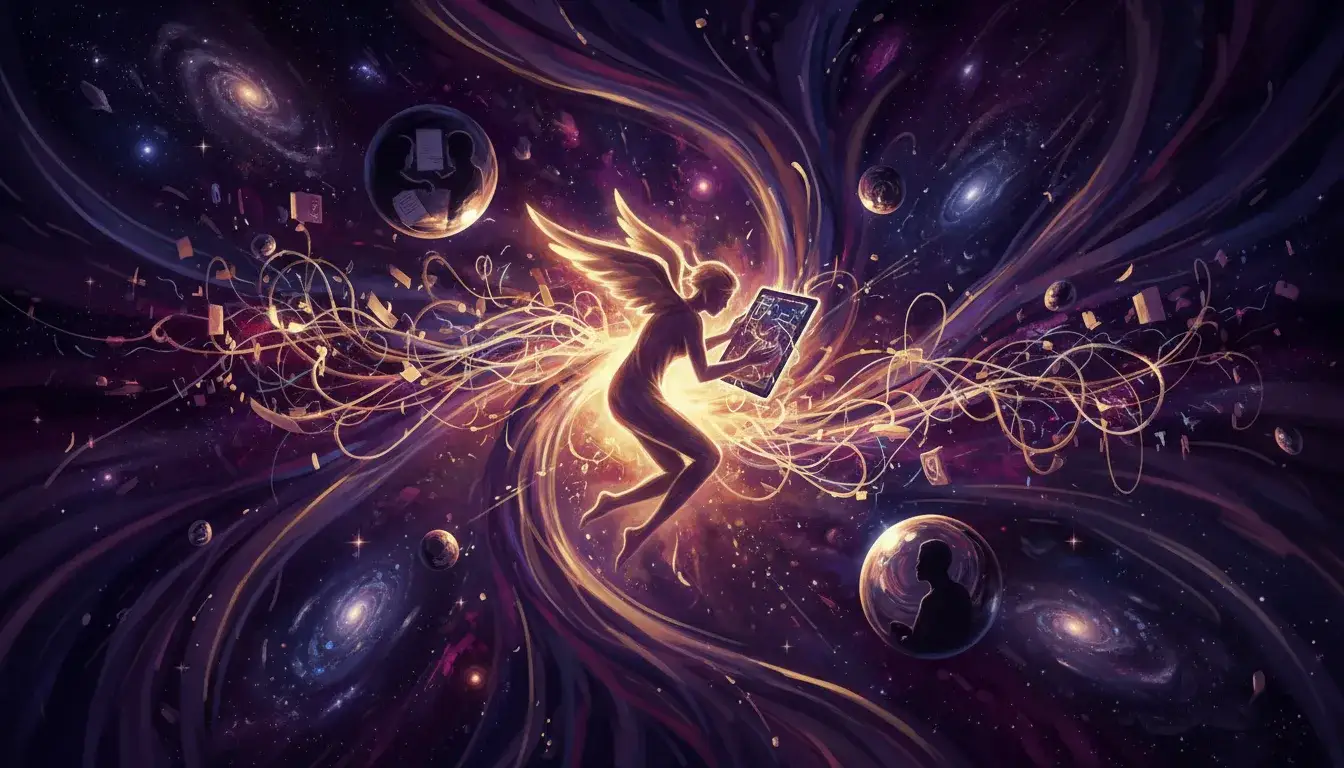
Mercury Retrograde
Communication issues, tech problems. Best for reviewing, editing, revisiting old ideas.
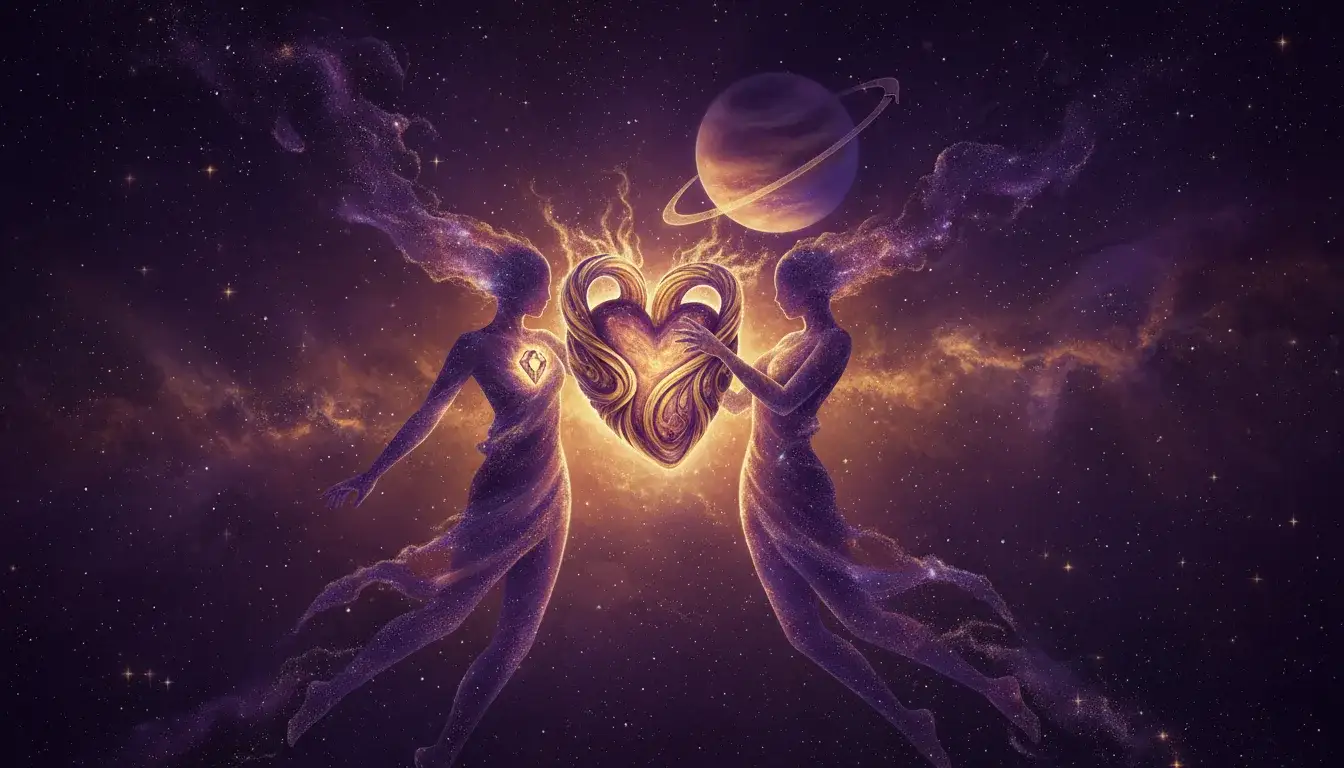
Venus Retrograde
Love, self-worth, unresolved relationship themes. Past connections may resurface.
Mars Retrograde
Slows action, blunts motivation. Useful for reassessing goals and effort.
Retrogrades don't block progress—they shift focus. They invite a slower pace and deeper understanding. While they can feel disruptive, they also offer chances to refine decisions and strengthen intentions before moving forward again.