Astrology isn't a single system. It's a vast network of distinct methods that interpret celestial patterns in unique ways.
Each branch focuses on different questions—some look inward to explain personality, others forecast events, and some explore relationships or even national trends.
1. Natal Astrology: Reading the Birth Chart
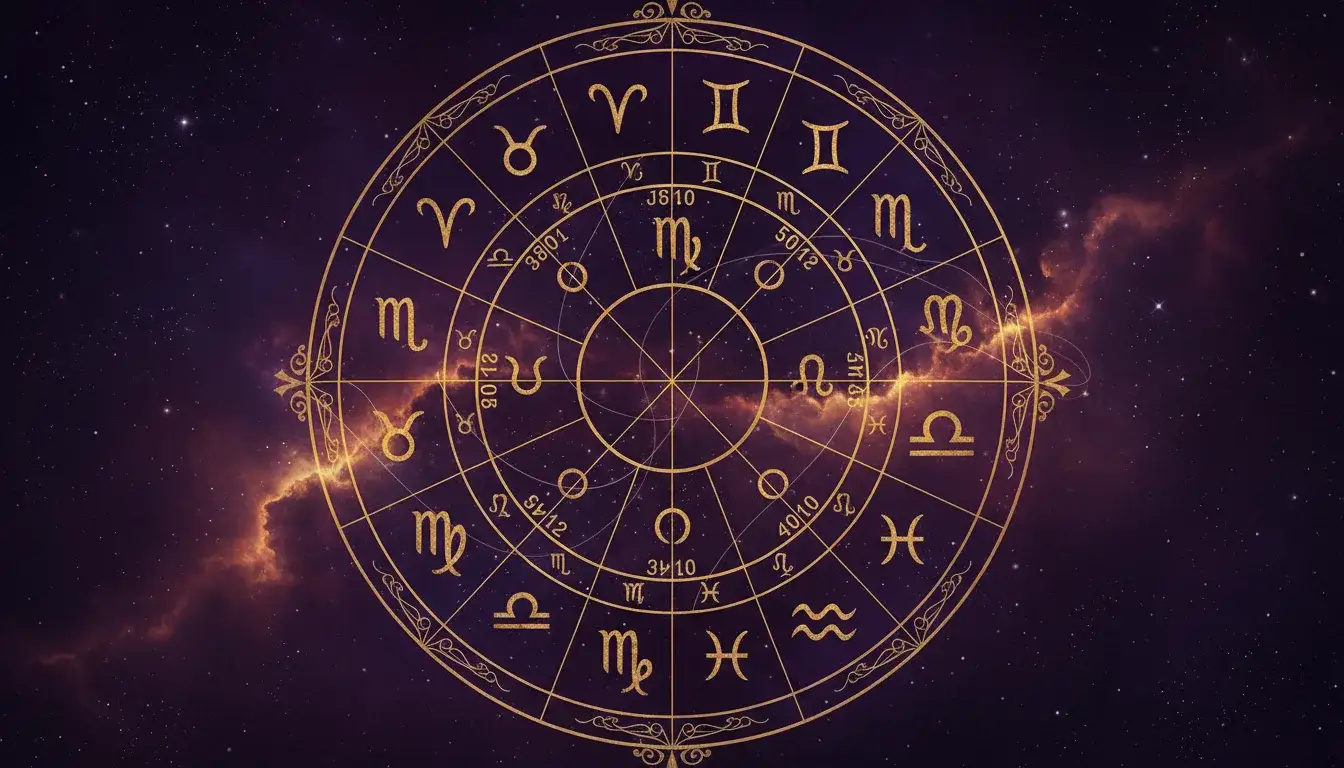
This is the foundation of most astrological work. It's based on the planetary positions at the exact time and place of someone's birth.
A natal chart includes zodiac signs, planets, twelve houses, and aspects between them. Together they describe personality traits, strengths, challenges, and possible life themes.
People turn to natal astrology for insight into career direction, emotional dynamics, and decision-making style. It's also the starting point for other branches like predictive or relationship astrology.
2. Predictive Astrology: Timing Life's Events

Once a birth chart is known, astrologers apply timing methods to explore life events. This branch revolves around forecasting.
Techniques include transits, progressions, solar returns, and planetary cycles. Transits show how current planetary positions relate to natal ones, while progressions track symbolic aging of the chart.
Events like job shifts, breakups, breakthroughs, or health issues often correlate with these cycles. Predictive astrology adds a layer of timing and strategy to self-awareness.
3. Relationship Astrology: Exploring Compatibility
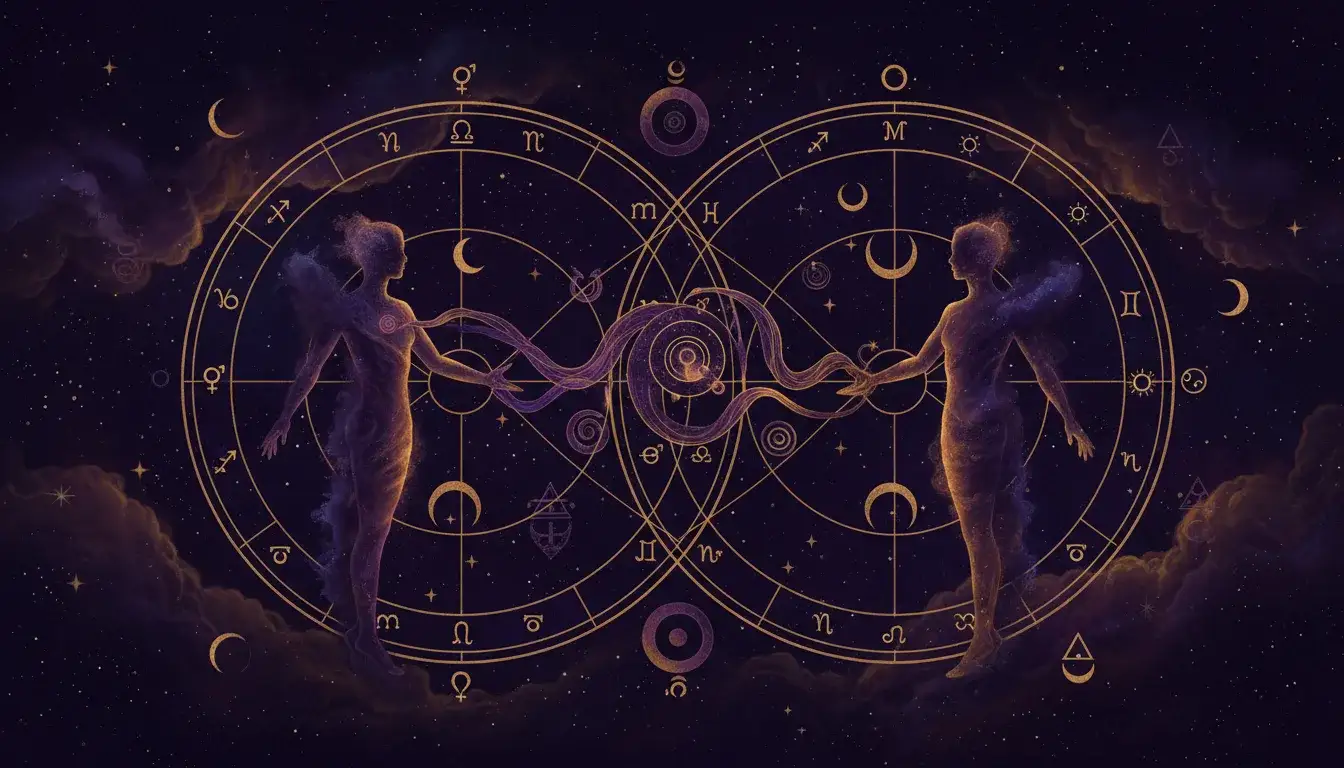
Also called synastry, this method compares two or more birth charts. It looks at how one person's planets interact with another's.
Favorable aspects between Venus, Mars, Moon, and Sun often suggest harmony. Difficult aspects might point to friction, power struggles, or emotional disconnects.
Relationship astrology isn't limited to love. It's used in business partnerships, parent-child analysis, and even group dynamics.
4. Horary Astrology: The Power of the Moment
This branch answers specific questions with a chart cast for the moment the question is asked. It's often used when birth data isn't available.
Each planet represents something in the situation. The astrologer interprets their placements, aspects, and dignities to answer questions like "Will I find my lost item?" or "Is this contract safe?"
It follows strict traditional rules and delivers concrete yes-or-no outcomes. Horary astrology is popular among professionals who favor precision.
5. Electional Astrology: Choosing the Right Time
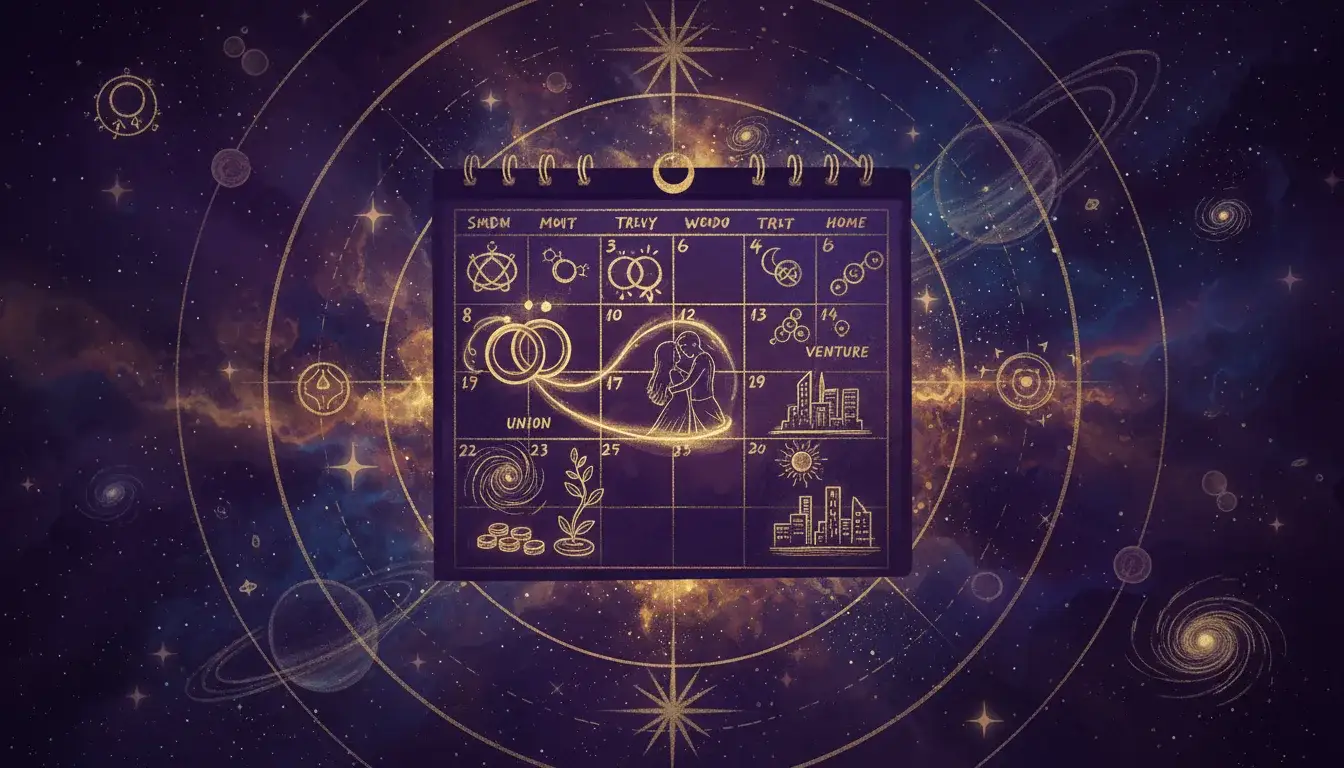
Electional astrology focuses on finding the best date and time to start something. The goal is to begin under favorable cosmic conditions.
People consult this branch before weddings, surgeries, product launches, or big purchases. Astrologers examine planetary dignity, Moon phase, and timing of major aspects.
It can't guarantee success, but it reduces risk and aligns actions with positive astrological patterns.
6. Medical Astrology: Linking Planets and Health
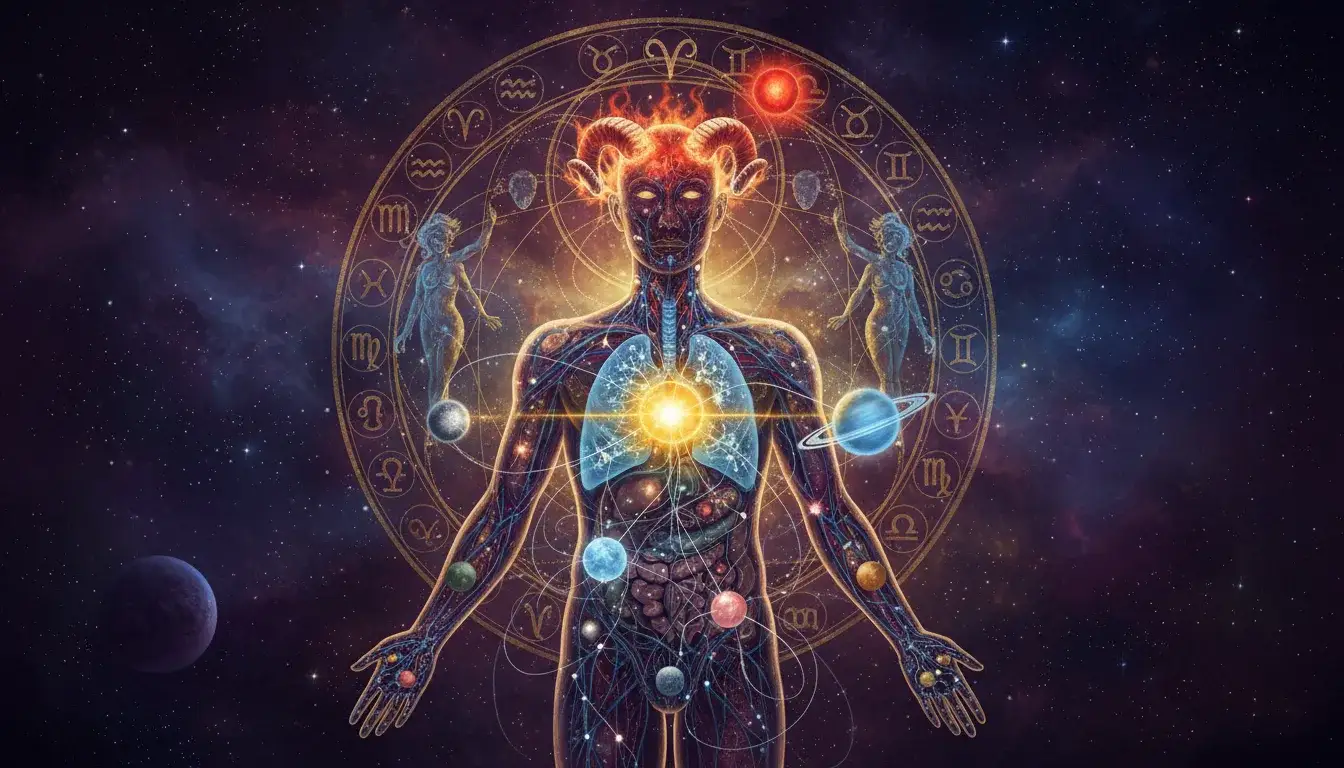
This traditional method connects celestial bodies to physical systems. Each zodiac sign rules parts of the body, and planets influence functions.
Aries is linked to the head, Taurus to the throat, Gemini to the lungs, and so on. Mars is associated with inflammation and injury, while Saturn may indicate chronic conditions.
Medical astrology helps with diagnosis, treatment timing, and lifestyle alignment. Some astrologers also use it in herbalism or complementary health practices.
7. Mundane Astrology: Global Patterns and Events

Mundane astrology analyzes events affecting nations, institutions, and collective life. It looks at long-term cycles and political shifts.
Charts are cast for countries, leaders, major events, or equinoxes. Eclipses, planetary ingress charts, and outer planet aspects are key tools.
This branch was once central to court astrologers advising kings. Today, it's used in geopolitical forecasting, economic outlooks, and natural disaster prediction.
8. Vocational Astrology: Career and Purpose
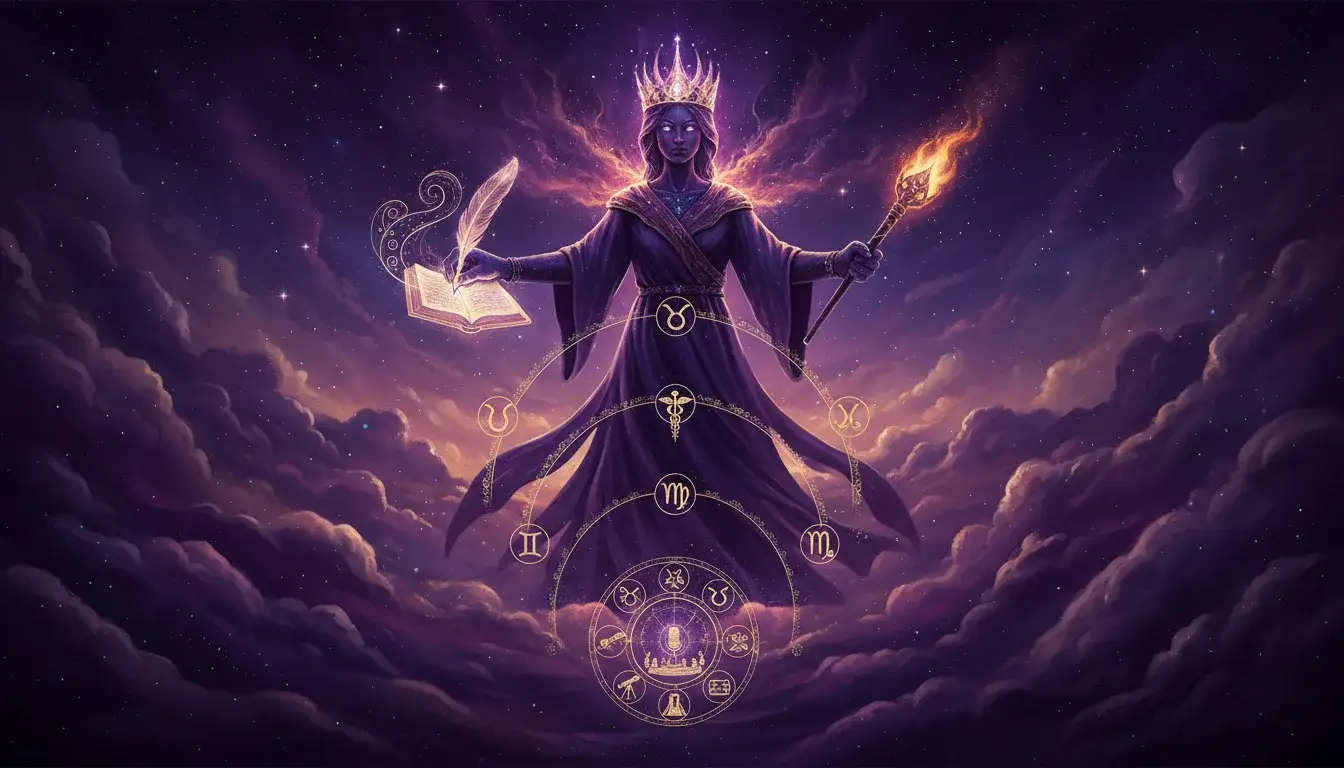
Some astrologers specialize in career analysis. They examine the 2nd, 6th, and 10th houses along with the Midheaven and planetary rulers.
The chart reveals strengths, motivations, and ideal work environments. Mercury might favor writing or teaching. Mars leans toward action or leadership.
Vocational astrology is useful during life transitions or when someone feels lost in their job path.
9. Financial Astrology: Markets and Money Cycles

This area links planetary movements to financial markets and personal income. It includes both macroeconomic trends and personal money management.
Financial astrologers track Jupiter–Saturn cycles, eclipses, and planetary aspects to market indices. Others advise clients on investment timing or spending patterns.
It's used by traders, entrepreneurs, and individuals managing wealth with astrological tools.
10. Esoteric Astrology: The Soul's Perspective
This metaphysical system focuses on the soul rather than the ego. It uses different planetary rulerships and places emphasis on spiritual development.
Originating from Theosophy and Alice Bailey's work, it's based on soul-centered growth, consciousness, and alignment with higher will.
Esoteric astrology isn't used for prediction. It's a contemplative system for seekers, healers, and those pursuing inner transformation.
11. Evolutionary Astrology: Karma and Soul Lessons
This school explores reincarnation and soul evolution. The chart is read as a map of past-life karma and future soul goals.
Pluto and the lunar nodes play central roles. They reveal karmic wounds and transformative paths.
Founded by Jeffrey Wolf Green, evolutionary astrology focuses on growth through challenge. It's often applied in therapy and deep self-exploration.
12. Vedic Astrology (Jyotish): The Sidereal Lens
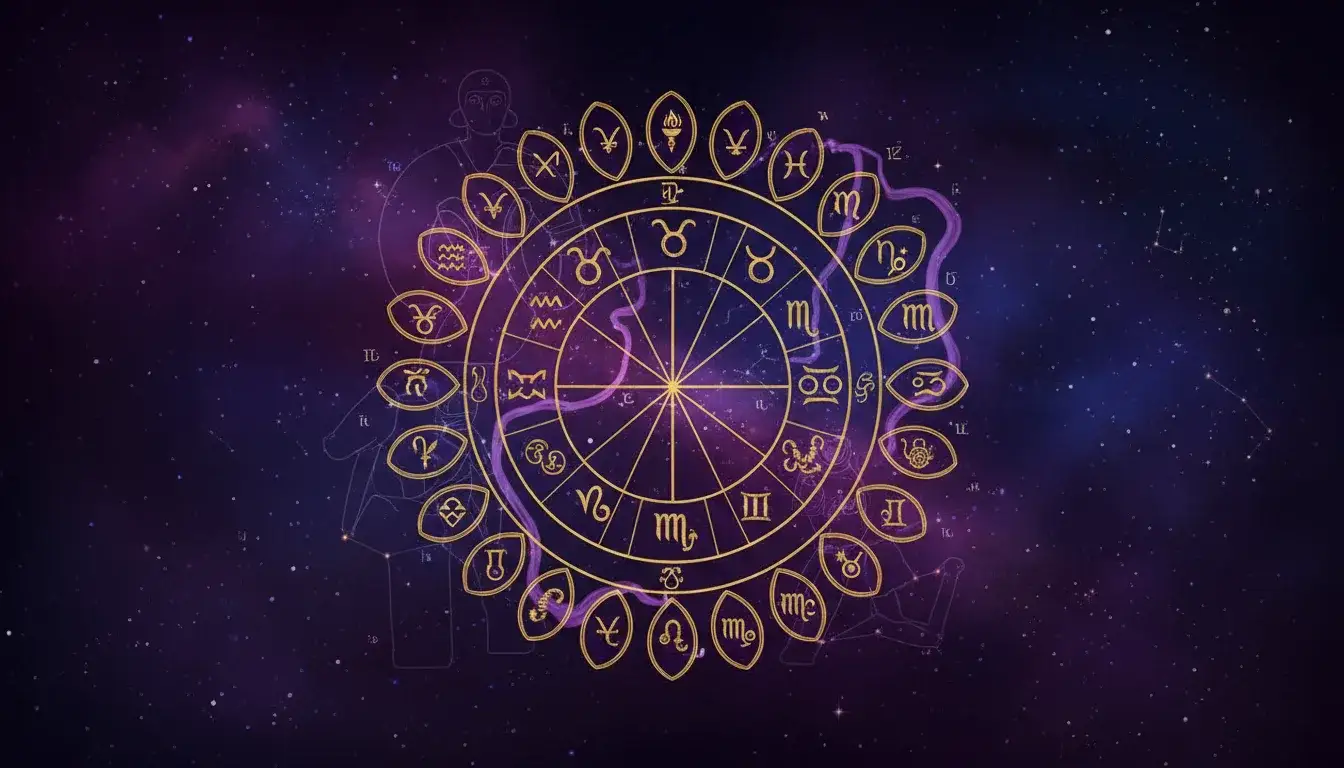
Unlike tropical systems, Vedic astrology uses a sidereal zodiac aligned with actual constellations. It stems from Indian philosophy and includes unique methods.
Key tools include the Dasha system (timing), Nakshatras (lunar mansions), and divisional charts. Vedic astrology is deeply karmic and precise in its timing techniques.
It's used widely in India and gaining followers globally for its depth and structure.
13. Chinese Astrology: Animal Signs and Elements
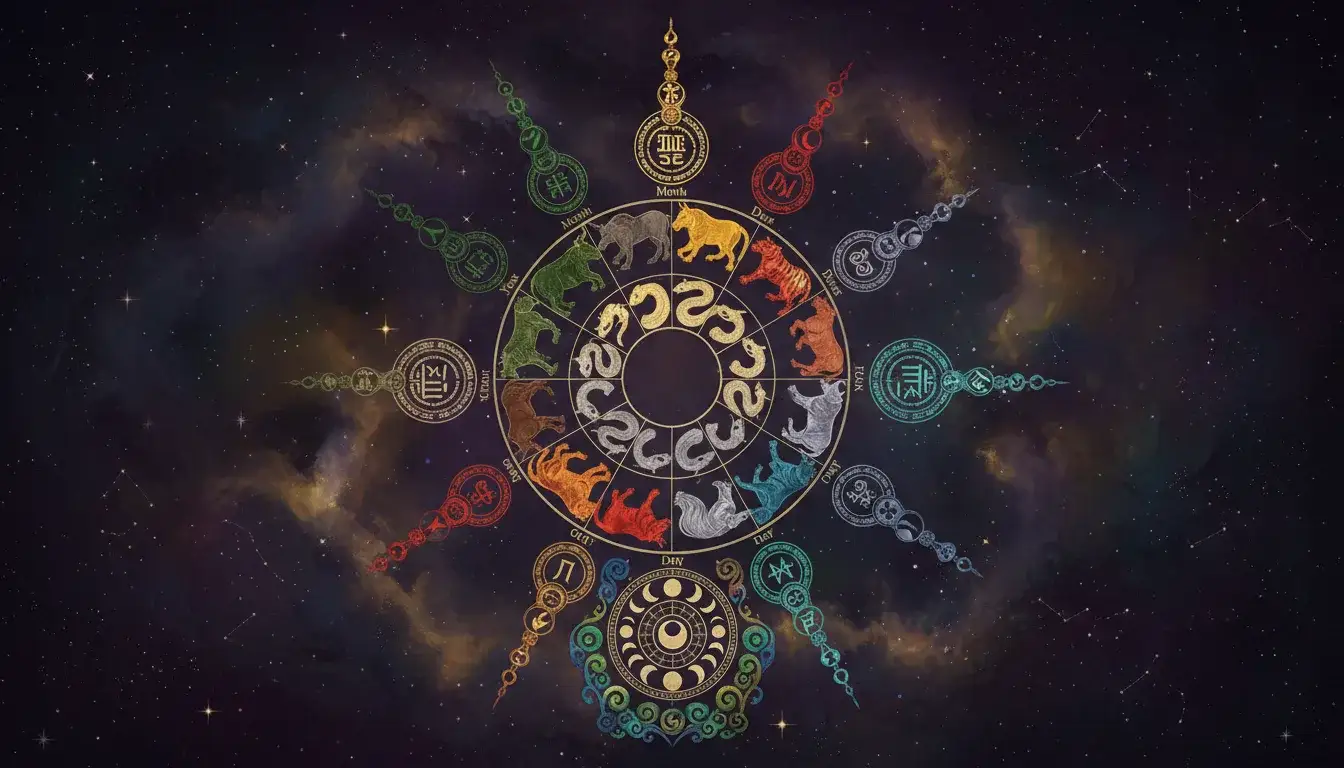
This system works in 12-year cycles tied to zodiac animals. It incorporates five elements: Wood, Fire, Earth, Metal, and Water.
Charts are based on the lunar calendar. Core systems include Bazi (Four Pillars of Destiny) and Zi Wei Dou Shu (Purple Star Astrology).
It's applied in personality typing, compatibility, annual forecasts, and Feng Shui.
14. Other Cultural Traditions
Astrology exists in many cultures. Mayan astrology uses the Tzolk'in calendar and sacred day signs. Hellenistic astrology shaped most Western methods, including house systems and aspects.
Arabic astrology contributed the Parts (like the Part of Fortune). African, Tibetan, Celtic, and Egyptian traditions also hold rich astrological lineages.
Each reflects its own cosmology and symbols, though they all seek meaning in the stars.
Conclusion: Finding Your Astrological Path
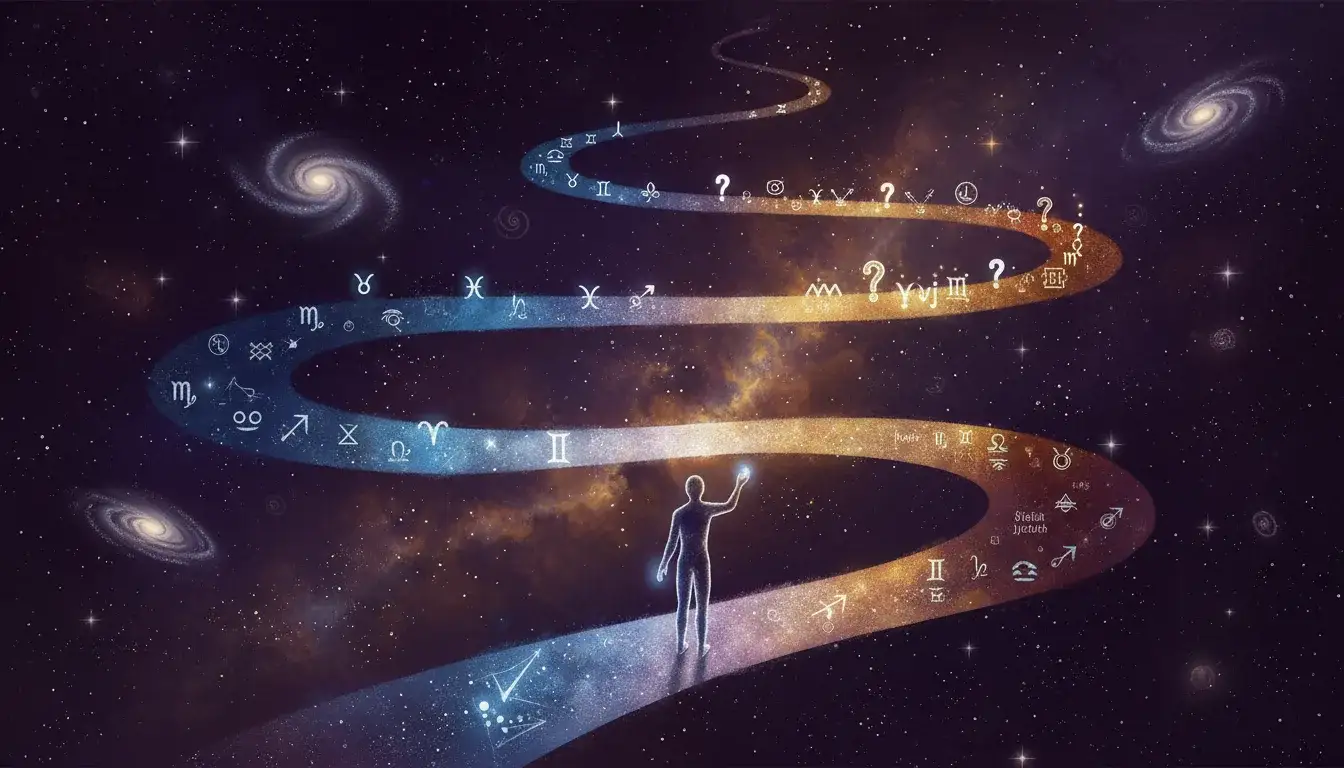
Astrology isn't one-size-fits-all. Every branch serves a different purpose—from daily planning to soul healing.
Some prefer the structured logic of Vedic methods. Others resonate with the psychological insights of Western natal work or the ancient precision of horary.
Understanding these branches helps you choose where to begin—or deepen—your astrological journey.