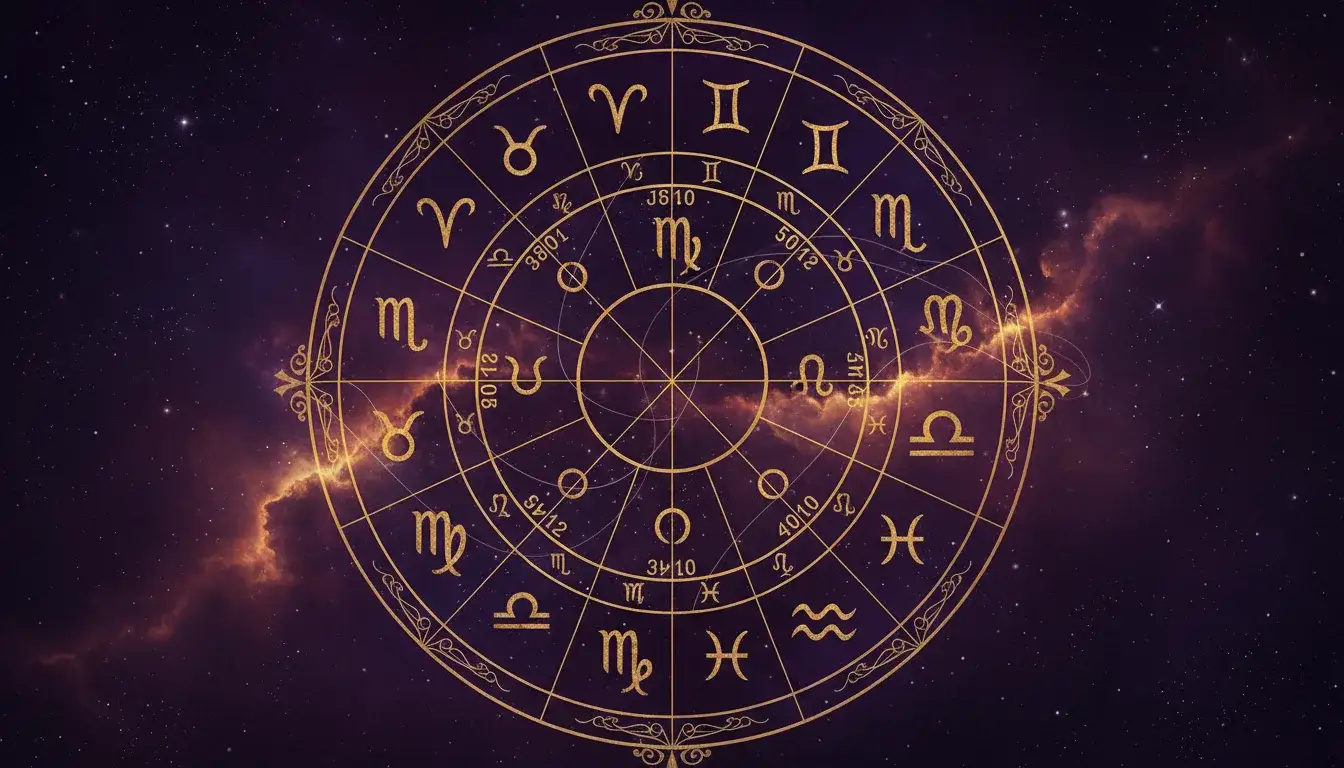
Natal astrology focuses on the positions of celestial bodies at the exact moment of birth. It works with a birth chart that reflects the sky configuration based on date, time, and place of birth.
This system serves as the base of personal astrology. Most individual readings, interpretations, and personality analyses start with a natal chart.
What Is a Natal Chart
Definition and Purpose
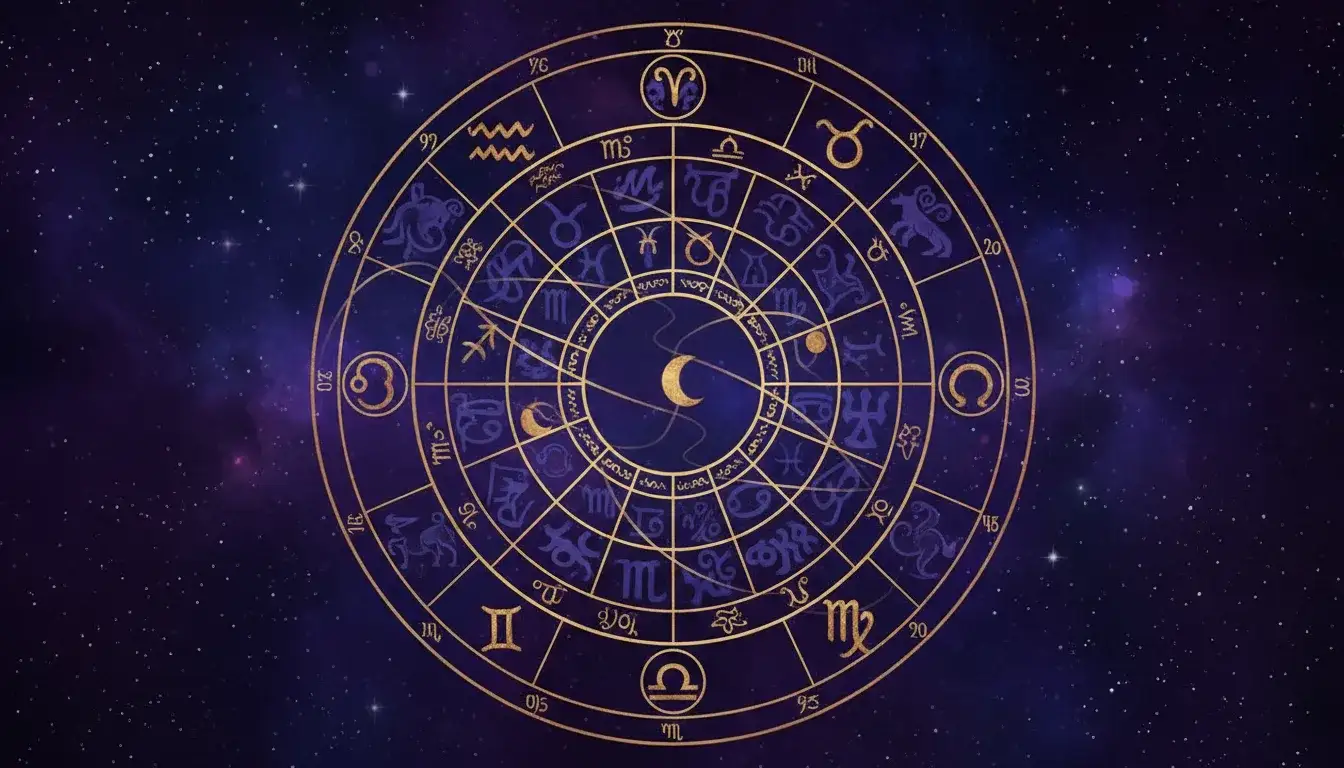
A natal chart, also called a birth chart, is a diagram of the sky at the moment someone is born. It maps planets, zodiac signs, and astrological houses into a single structure.
Astrologers treat this chart as a symbolic profile of character traits, emotional patterns, and life themes. It works as a reference point rather than a prediction tool.
Importance of Birth Time and Location
Exact birth time sets the Ascendant and house system. Even a difference of minutes can shift house placements.
Birthplace defines the geographic angle of the sky. This information shapes how planets distribute across the chart.
Structure of a Natal Chart
The Zodiac Wheel
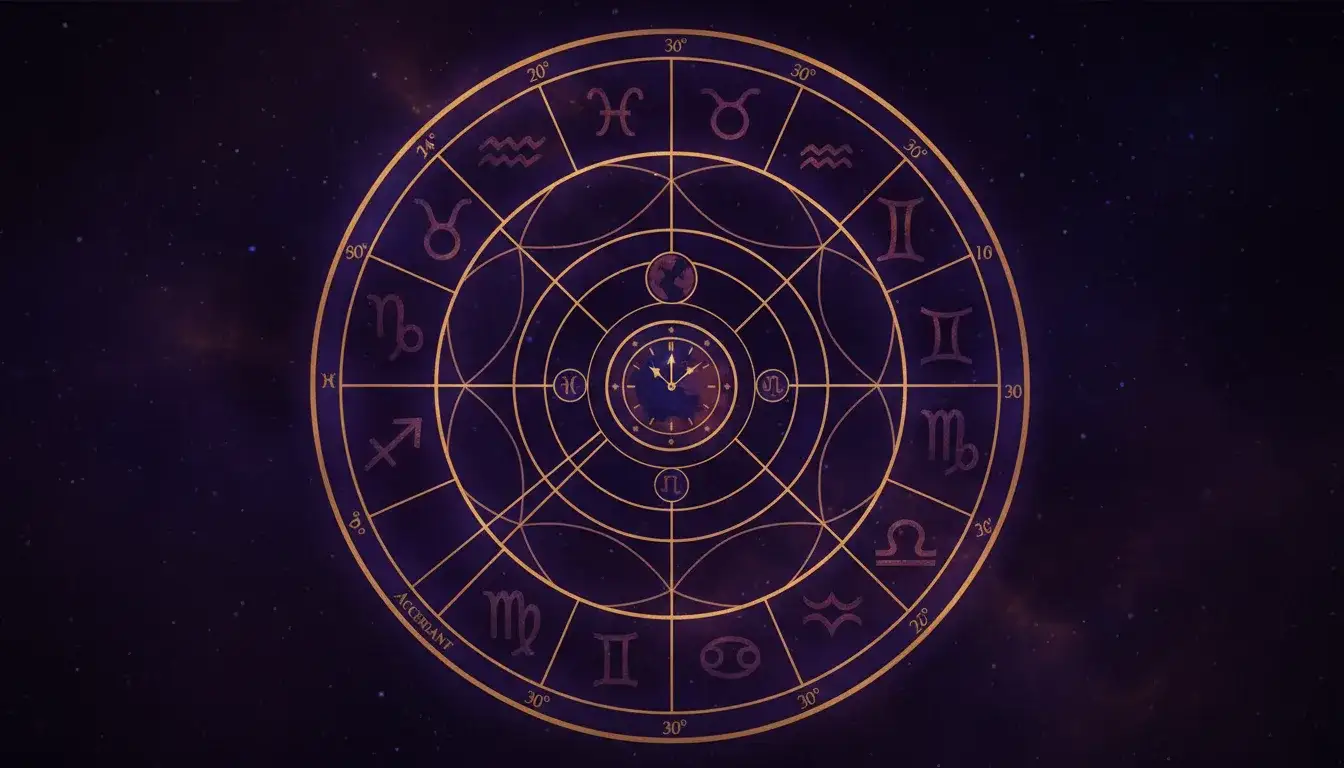
The natal chart appears as a circle divided into 12 equal zodiac signs. Each sign covers 30 degrees of the full 360-degree wheel.
Zodiac signs describe how planetary energy expresses itself. Aries tends toward direct action, while Pisces leans into sensitivity and imagination.
Importance of Birth Time and Location
Exact birth time sets the Ascendant and house system. Birthplace defines the geographic angle of the sky.
The Twelve Astrological Houses
Houses divide the chart into life areas rather than personality styles. Each house represents a specific type of experience.






Planets in the Birth Chart
Planets describe functions and drives within the personality. Each planet operates through a sign and a house.



Aspects and Angular Relationships
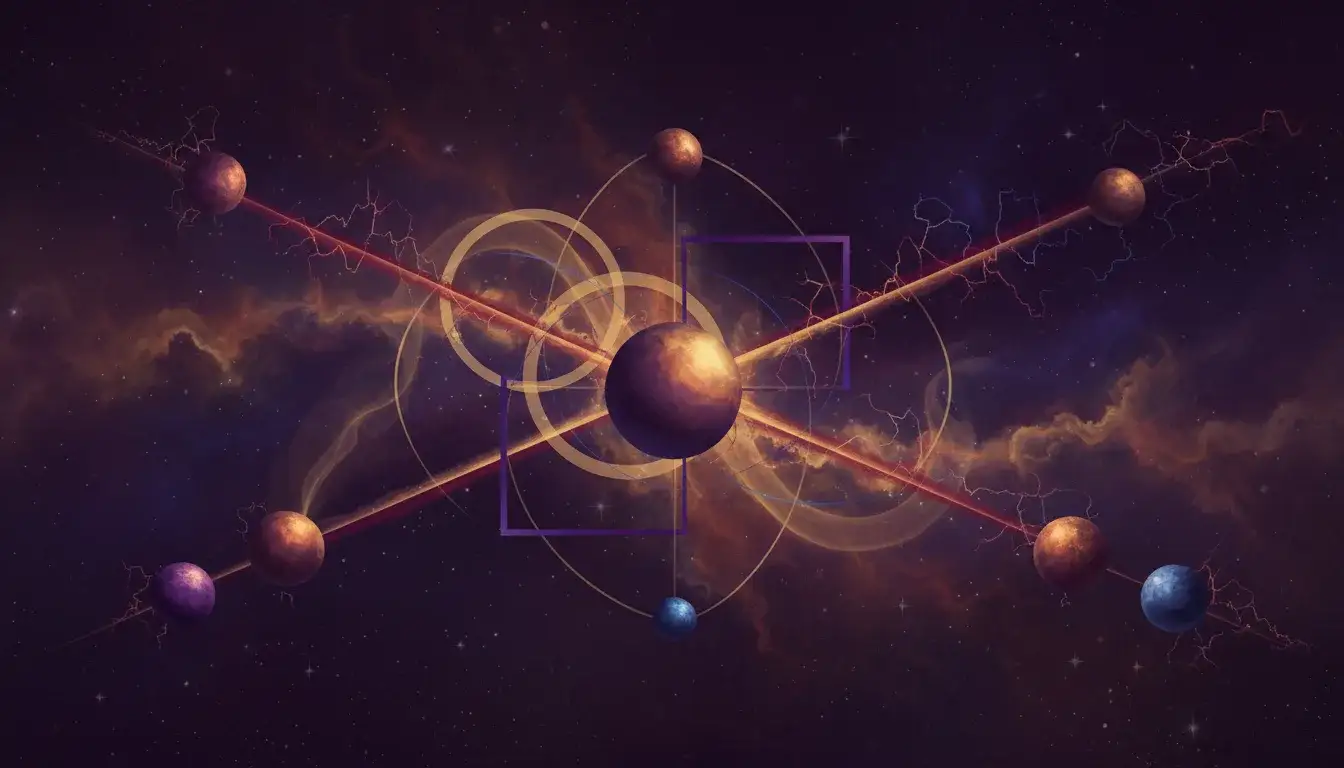
Aspects describe angles between planets. These angles highlight how planetary energies interact.
Major aspects include conjunctions, squares, oppositions, trines, and sextiles. Some show ease, while others reflect tension or internal contrast.
Key Elements in Natal Astrology Interpretation
The Sun Sign
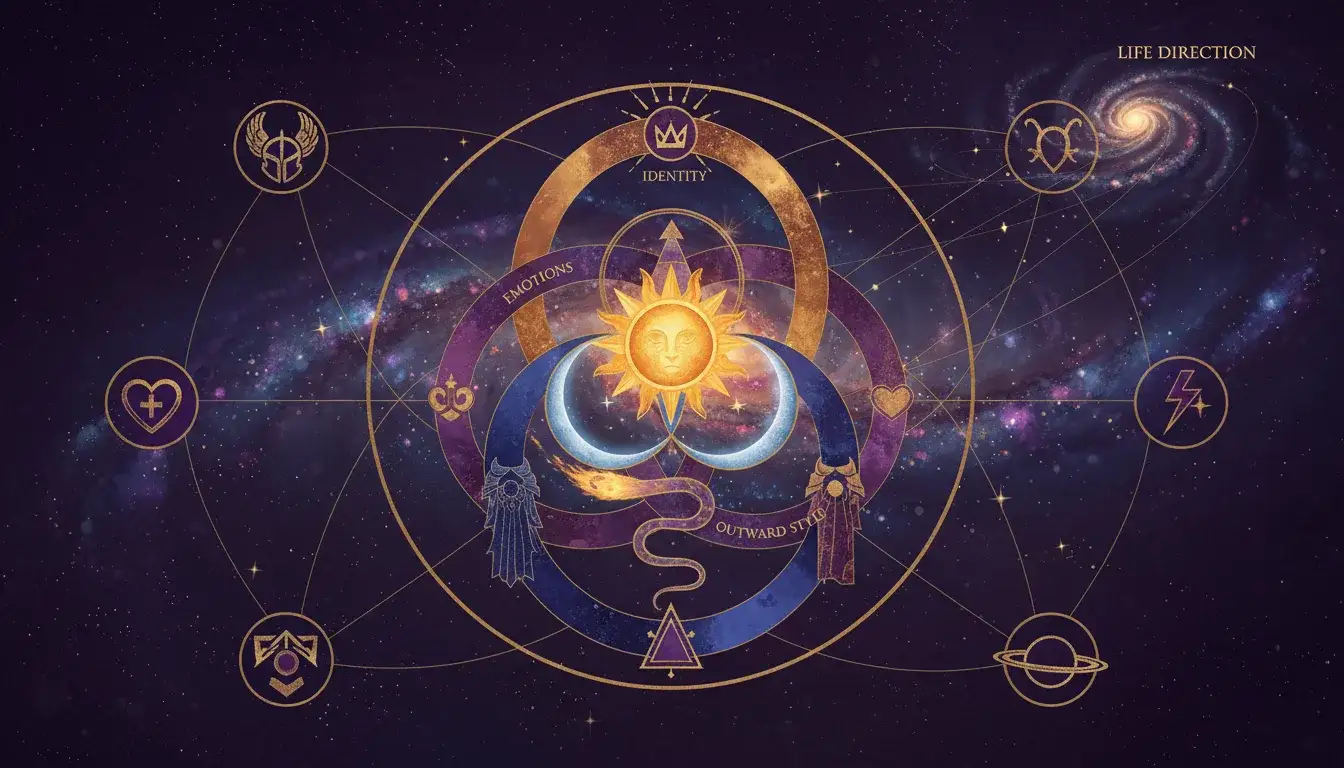
The Sun sign reflects conscious identity and direction in life. Popular horoscopes usually reference only this placement.
In a natal chart, the Sun gains more meaning through its house position and aspects. Alone, it never tells the full story.
The Moon Sign
The Moon sign connects with emotional responses and inner needs. It shapes habits, moods, and instinctive reactions.
This placement often describes private behavior rather than public identity. It becomes clear during stress or comfort-seeking moments.
The Ascendant or Rising Sign
The Ascendant marks the eastern horizon at birth. It shapes first impressions, outward style, and initial reactions.
This sign also determines the house structure of the chart. Many astrologers see it as equally important as the Sun and Moon.
The Chart Ruler
The chart ruler is the planet ruling the Ascendant sign. Its sign, house, and aspects influence the overall tone of the chart.
This planet often acts as a focal point. It links personal expression with life direction.
How to Interpret a Natal Chart Step by Step
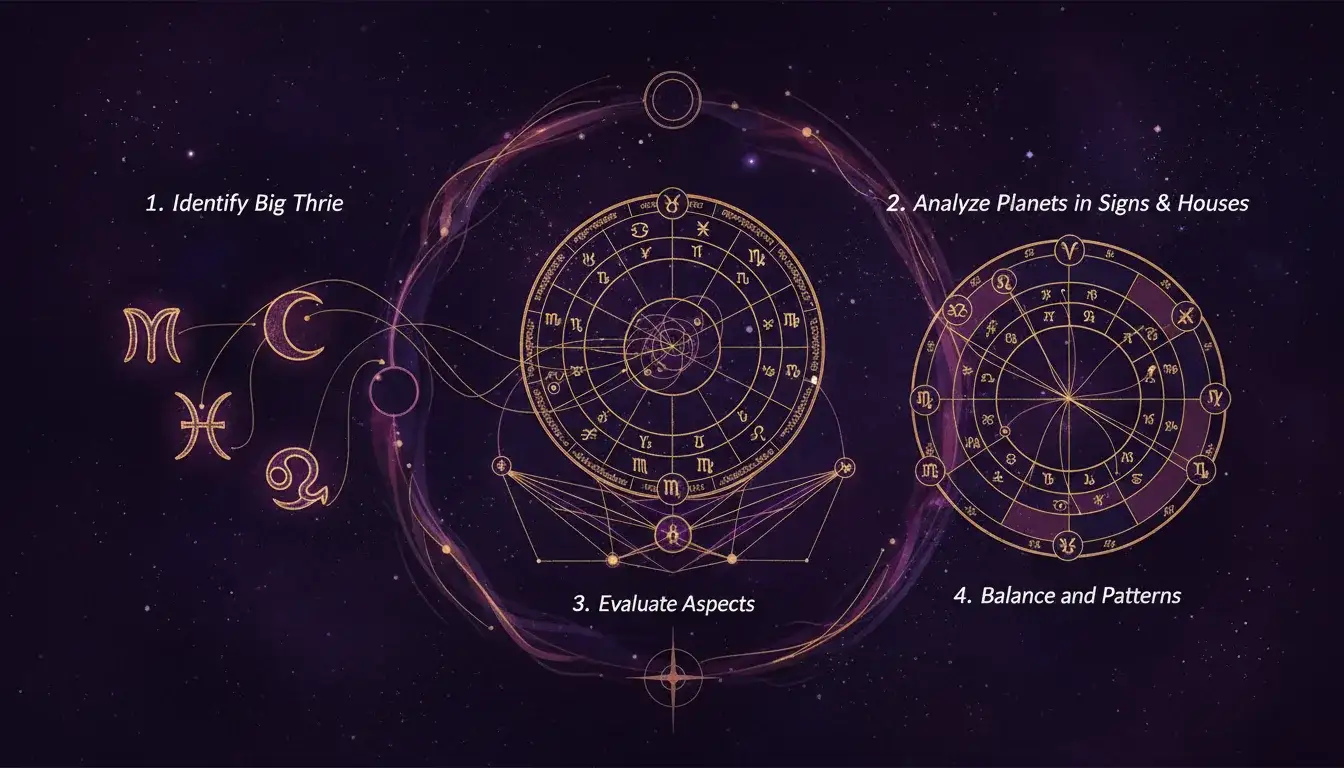
Step One: Identify the Big Three
The Big Three include the Sun, Moon, and Ascendant. Together, they outline identity, emotions, and outward behavior.
This trio forms the foundation of most interpretations. Other placements refine the picture.
Step Two: Analyze Planets in Signs and Houses
Sign placement shows style and expression. House placement shows where life experiences unfold.
For example, Mars in Leo acts boldly, while Mars in the 6th House focuses energy on daily tasks.
Step Three: Evaluate Planetary Aspects
Aspects describe how inner drives interact. Some aspects create internal flow, others create friction.
Repeated patterns between planets reveal dominant themes. These patterns often repeat across different life areas.
Step Four: Look at Balance and Patterns
Astrologers check elemental balance: fire, earth, air, and water. Modalities like cardinal, fixed, and mutable also matter.
Clusters of planets highlight strong focus areas. Empty houses simply mean fewer themes, not absence.
Psychological and Symbolic Applications
Natal astrology often connects with self-reflection rather than prediction. Many people treat the chart as a mirror of internal patterns.
It helps describe emotional habits, relationship dynamics, and motivation styles. Timing systems build on the natal chart later.
Limitations and Skepticism
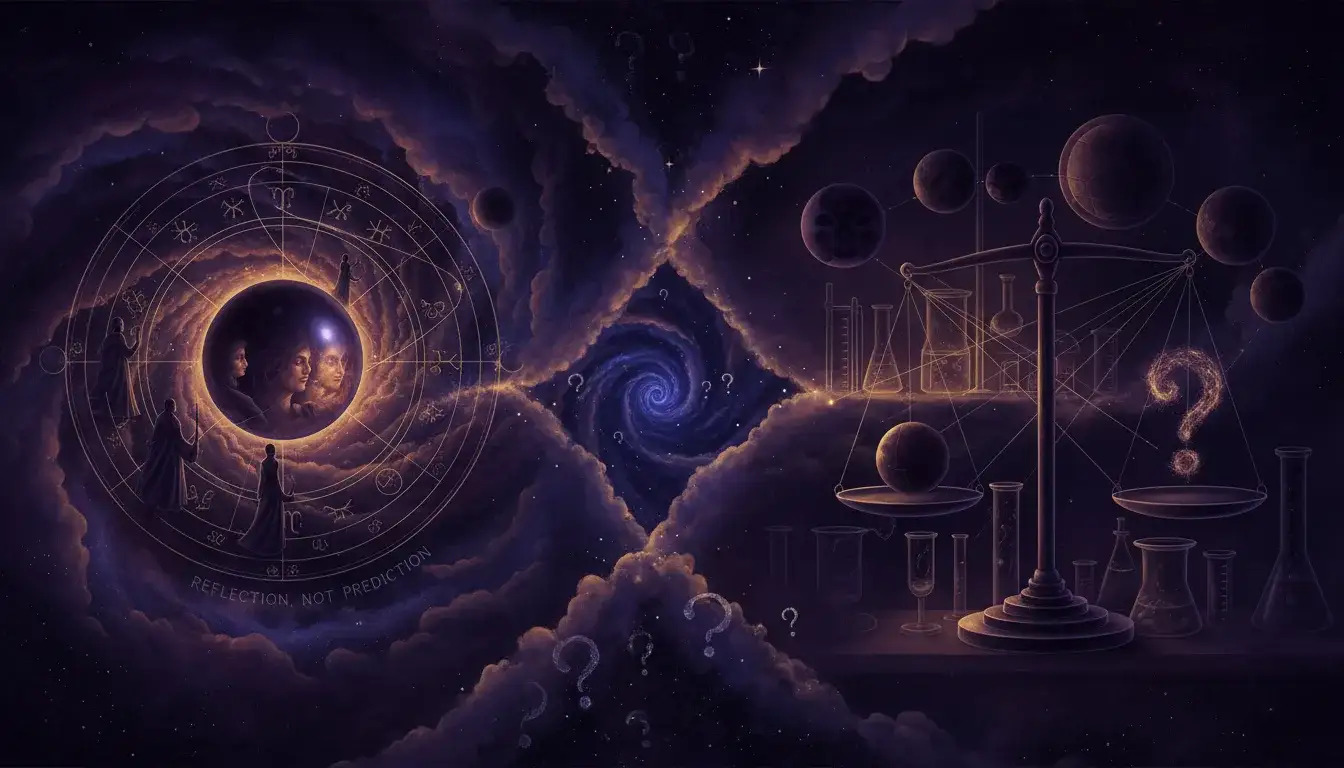
Natal astrology lacks scientific validation. Modern science does not confirm a causal link between planets and personality.
Its framework remains symbolic and interpretive. Meaning comes from reflection, not measurement.
Tools to Generate a Natal Chart
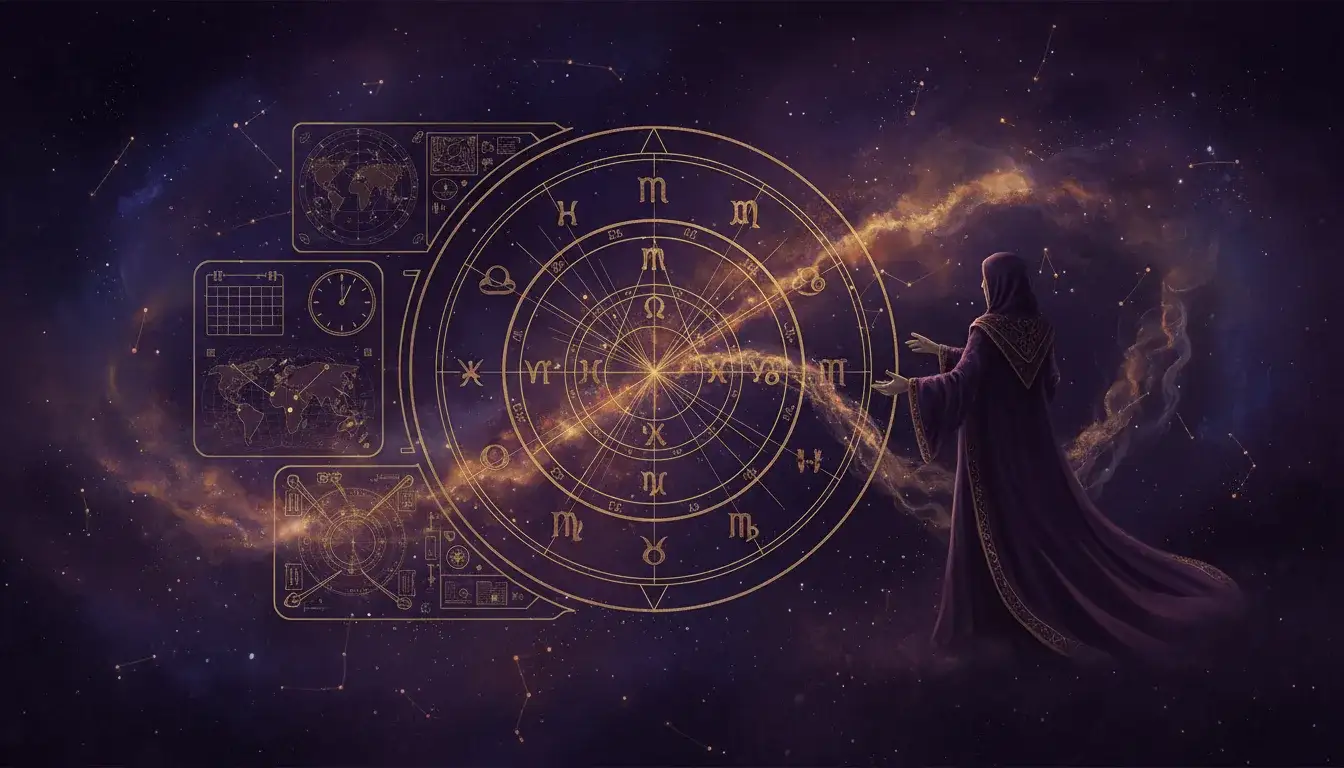
Several online platforms generate natal charts automatically. Most require birth date, exact time, and location.
Professional astrologers add context and synthesis. Software alone cannot interpret nuance.
Conclusion

Natal astrology centers on understanding personal patterns through a symbolic sky map. It works best as a tool for reflection, not certainty.
The natal chart remains the starting point of almost all astrological practice.