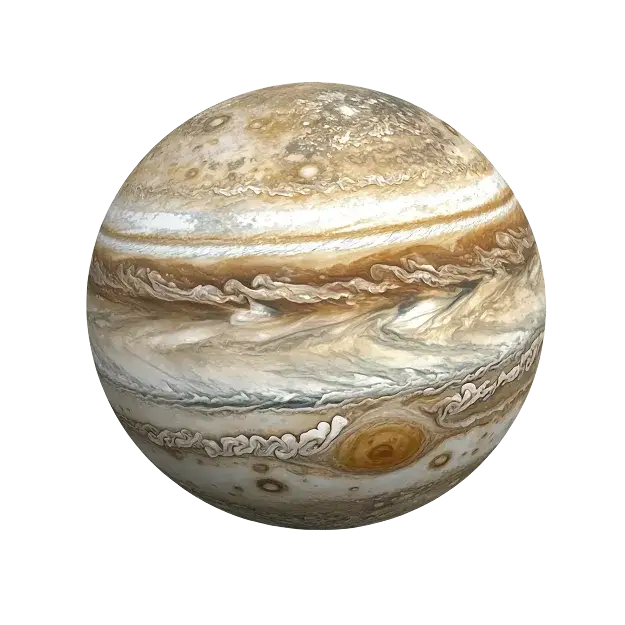
Jupiter in astrology reflects growth, belief, and expansion of life experience. This planet shows how people search meaning, build confidence, and widen personal horizons.
Jupiter is often linked with luck, wisdom, and opportunity. Its placement highlights areas where life tends to grow, sometimes easily, sometimes excessively.
The Core Meaning of Jupiter in Astrology
Jupiter symbolizes expansion in every form. It connects with optimism, abundance, learning, and long-term vision.
This planet represents the teacher archetype. It relates to philosophy, ethics, faith, and moral direction rather than daily routines.
Jupiter also amplifies whatever it touches. Positive traits can grow stronger, while excess or overconfidence may surface if balance is missing.
Jupiter as the Planet of Expansion
Jupiter enlarges experiences, ideas, and ambitions. It pushes people beyond comfort zones toward growth and exploration.
This influence applies to knowledge, travel, finances, and personal belief systems. Growth may feel natural or overwhelming depending on placement.
Jupiter’s Elemental and Modal Nature
Jupiter rules Sagittarius and Pisces in traditional astrology. These signs connect Jupiter with vision, ideals, and spiritual awareness.
Its mutable nature reflects adaptability. Beliefs evolve through experience rather than rigid structure.
What Jupiter Represents in the Natal Chart
In a natal chart, Jupiter shows personal philosophy and worldview. It reveals how someone understands meaning, truth, and purpose.
Jupiter also connects with education, law, religion, and higher learning. It reflects attitudes toward risk, optimism, and long-term growth.
The zodiac sign shows how growth expresses itself. The house reveals life areas tied to opportunity, learning, and expansion.
Jupiter influences generosity and confidence. A strong placement often brings faith in life’s direction, while tension may create unrealistic expectations.
Jupiter Through the Zodiac Signs — Personality and Growth Expression
Jupiter’s sign placement shapes how growth unfolds. Each sign filters expansion through different values and instincts.

Jupiter in Aries
Bold expansion, pioneering spirit, faith in action

Jupiter in Taurus
Growth through stability, material abundance

Jupiter in Gemini
Intellectual curiosity, learning through exchange

Jupiter in Cancer
Emotional growth, nurturing faith, family expansion

Jupiter in Leo
Generous, seeks recognition, creative abundance

Jupiter in Virgo
Growth through service, practical wisdom

Jupiter in Libra
Fairness, growth through partnership, diplomatic faith

Jupiter in Scorpio
Deep transformation, growth through intensity

Jupiter in Sagittarius
Natural home: philosophy, travel, higher learning
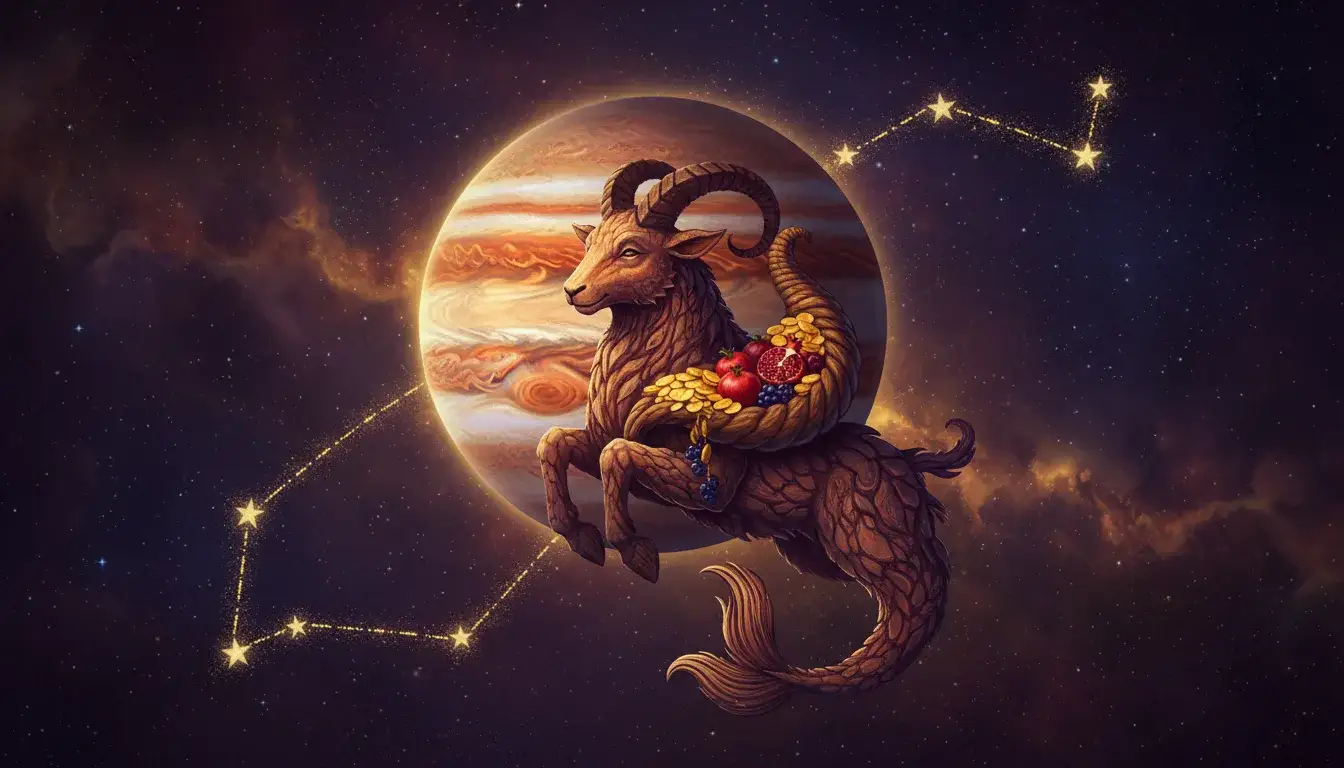
Jupiter in Capricorn
Growth through discipline, cautious optimism

Jupiter in Aquarius
Humanitarian vision, growth through innovation

Jupiter in Pisces
Spiritual growth, compassion, faith in the unseen
Jupiter in the Astrological Houses
House placement shows where expansion unfolds most clearly. It highlights life areas linked with opportunity and optimism.

1st House
Expansive identity, optimistic presence, natural luck

2nd House
Financial growth, values expansion, material abundance

3rd House
Growth through communication, local travel, learning

4th House
Family expansion, home growth, emotional abundance

5th House
Creative abundance, children, pleasure, risk-taking

6th House
Growth through service, health improvement

7th House
Partnership growth, fair dealings, marriage luck

8th House
Shared resources, transformation, inheritance

9th House
Natural home: philosophy, travel, higher education

10th House
Career expansion, public recognition, authority

11th House
Friendships, group growth, hopes and wishes

12th House
Spiritual growth, hidden blessings, faith in solitude
Jupiter Aspects to Other Planets
Jupiter aspects describe how growth interacts with other drives. Supportive aspects create confidence, while tension can inflate expectations.

Jupiter conjunct Sun
Confidence, luck, expansive identity

Jupiter square Saturn
Tension between growth and limits

Jupiter trine Venus
Ease in love, generosity, aesthetic abundance

Jupiter opposite Neptune
Faith vs illusion, spiritual confusion
These interactions shape how belief systems influence action and emotion.
Jupiter Retrograde Meaning
Jupiter retrograde turns growth inward. Beliefs undergo revision rather than outward expansion.
In natal charts, this placement suggests inner wisdom. Faith develops through personal experience rather than external systems.
During transits, Jupiter retrograde invites reflection. Goals may pause while values realign.
Jupiter in Vedic Astrology (Jyotish)

In Vedic astrology, Jupiter is known as Brihaspati or Guru. This planet symbolizes wisdom, prosperity, and moral guidance.
Jupiter connects with dharma, education, and family life. Strong placements support teaching, wealth, and spiritual growth.
Certain houses strengthen Jupiter’s influence, especially the 1st, 4th, 5th, and 9th. Weak placements may require spiritual discipline or charitable actions.
The Role of Jupiter in Transits and Timing
Jupiter moves slowly, spending about one year in each sign. Its full cycle lasts roughly twelve years.
Major life growth often aligns with Jupiter transits. Education, travel, career progress, and belief shifts often coincide with these periods.
A Jupiter Return marks renewal of purpose. Confidence resets and long-term direction becomes clearer.
Jupiter as the Great Benefic — Why It Matters

Jupiter symbolizes hope, faith, and growth potential. It reflects how people trust life and pursue meaning.
Understanding Jupiter clarifies belief systems and long-term goals. Its placement shows where optimism fuels progress and personal expansion.