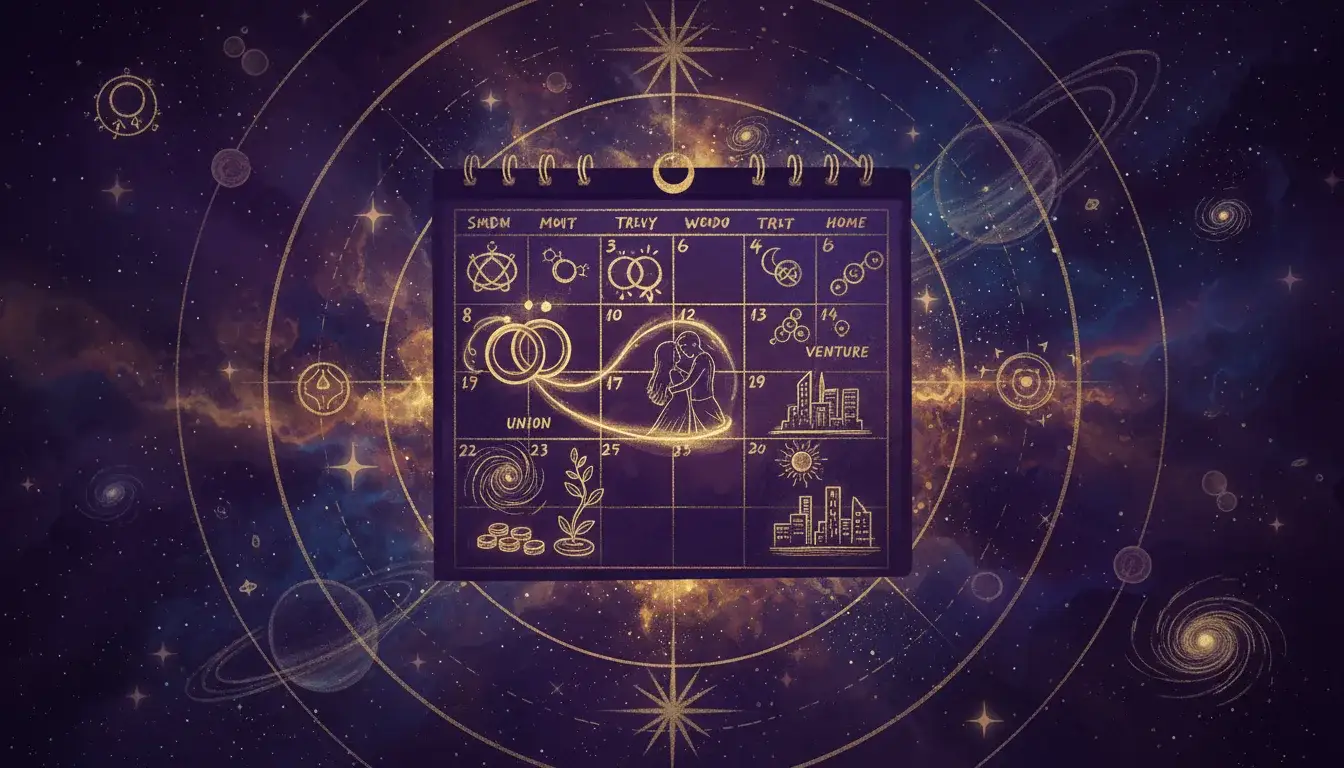
Choosing when to start something can change how it unfolds. Electional astrology helps plan key life events by aligning them with celestial timing.
Unlike natal astrology, this branch looks forward. It focuses on selecting the most supportive moment to begin.
What Is Electional Astrology?
Electional astrology is about timing. Its goal is to find the best date and time to initiate an action.
Astrologers believe that the quality of the moment shapes the future of what starts then. Instead of interpreting the past, they plan ahead.
This technique has been used for thousands of years. From rulers launching wars to couples picking wedding days — timing mattered.
How Electional Astrology Works
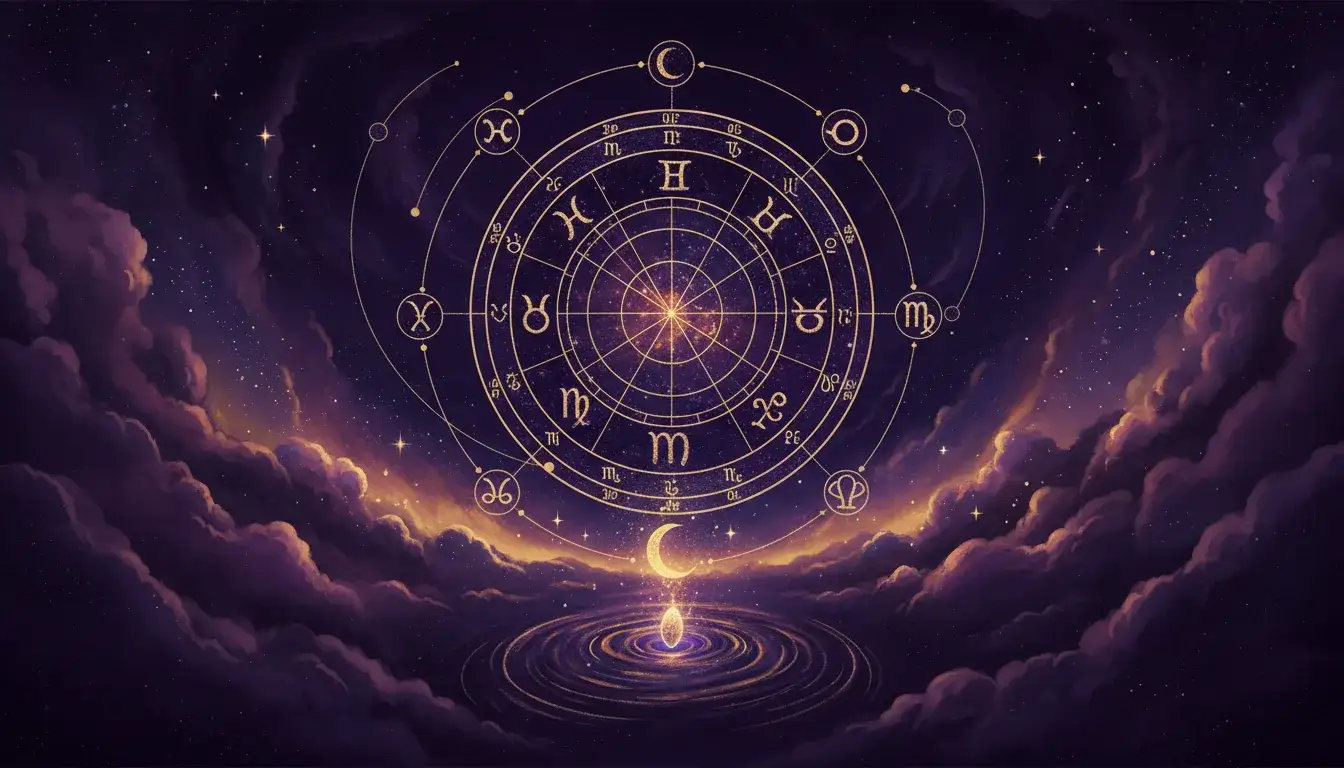
Every minute carries a unique planetary signature. Electional astrology reads these signatures to pick favorable conditions.
Astrologers cast a chart for a future moment. This chart reflects the "birth" of the action — whether it's opening a business or signing a contract.
By aligning the chart with supportive placements, the event gains smoother potential. It's like planting a seed when the weather's just right.
The approach requires deep knowledge of transits, dignities, aspects, and lunar cycles. A good election balances many moving parts.
Common Life Events Requiring Electional Astrology
Some events carry more weight than others. People turn to electional timing when they want things to start on the right foot:
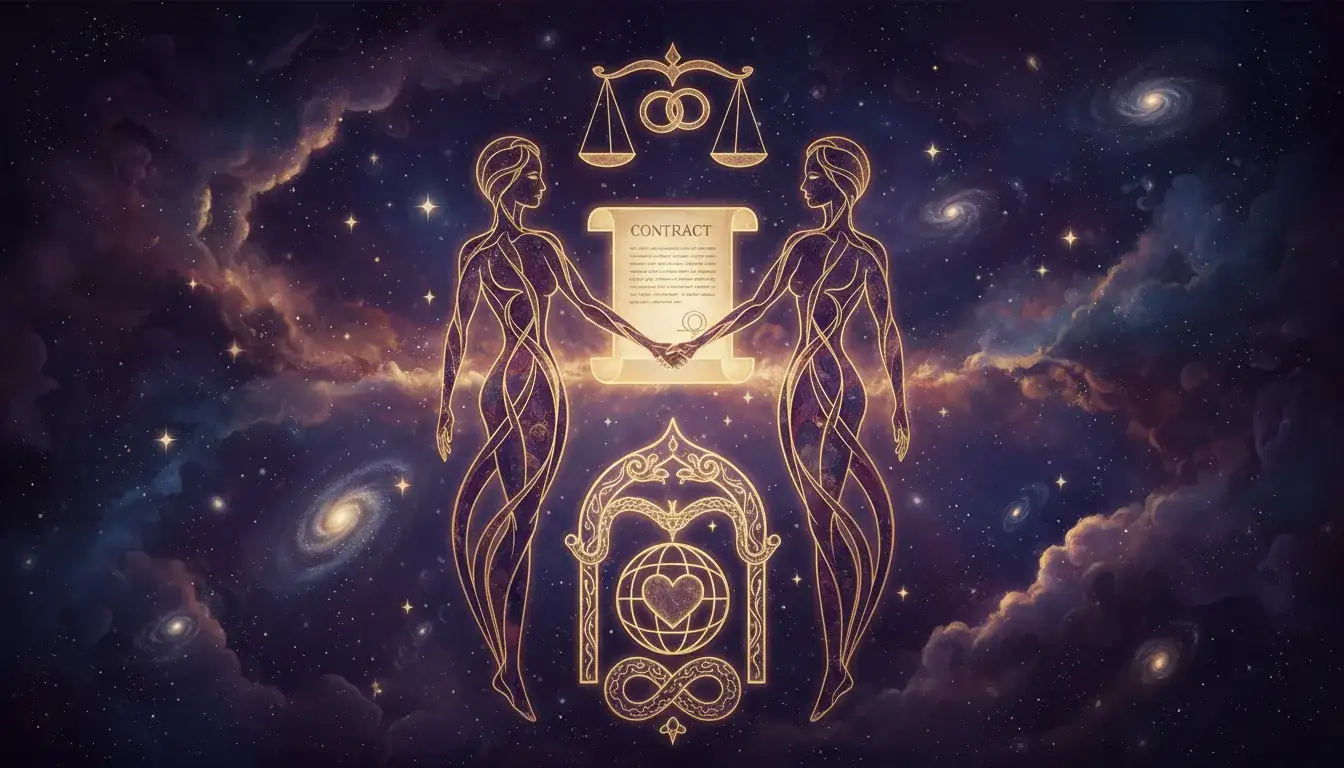
Each case has its own chart focus. For example, a wedding emphasizes the 7th house and Venus.
Key Factors
Electional astrology isn't random. It uses specific chart elements to guide decision-making.
The Ascendant and Its Ruler
The rising sign sets the tone. It defines the chart's personality and direction.
A strong Ascendant ruler shows stability and clarity. Astrologers look for signs where the ruler is dignified and well-aspected.
The Moon's Placement and Aspects
The Moon moves fast and shapes unfolding events. It's one of the most important factors in timing.
A waxing Moon supports growth. A void-of-course Moon is avoided, since it may signal delays or weak outcomes.
Positive lunar aspects (like trines or sextiles) bring flow. Hard aspects (like squares) are usually skipped unless well mitigated.
Planetary Dignity and Essential Strength
Each planet rules specific themes. Venus for love, Mercury for communication, Mars for action, and so on.
Astrologers choose moments when these planets are strong. Rulership, exaltation, angular houses, and direct motion all help.
Debilitated planets or harsh placements are minimized, especially for planets tied to the event's theme.
Avoiding Difficult Transits and Malefic Aspects
Challenging aspects from Mars, Saturn, Uranus, Neptune, or Pluto can complicate things. Timing avoids these when possible.
Mercury retrograde is skipped for launches or deals. Mars squares may trigger aggression or tension.
Even supportive planets can be problematic if combust or in fall.
House Emphasis for the Type of Event
The house related to the event gets special attention. Here's a quick guide:
7th house
Marriage, partnerships

10th house
Career, public launches
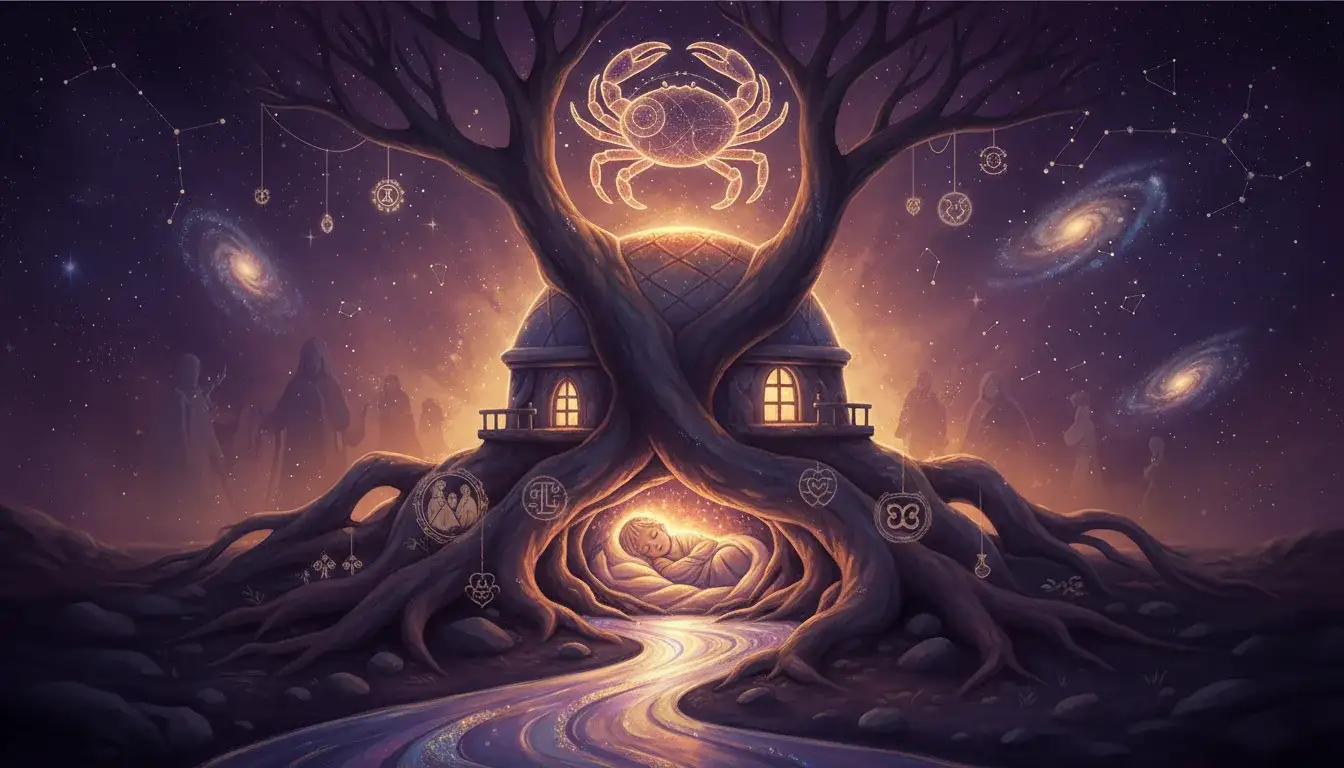
4th house
Home, real estate
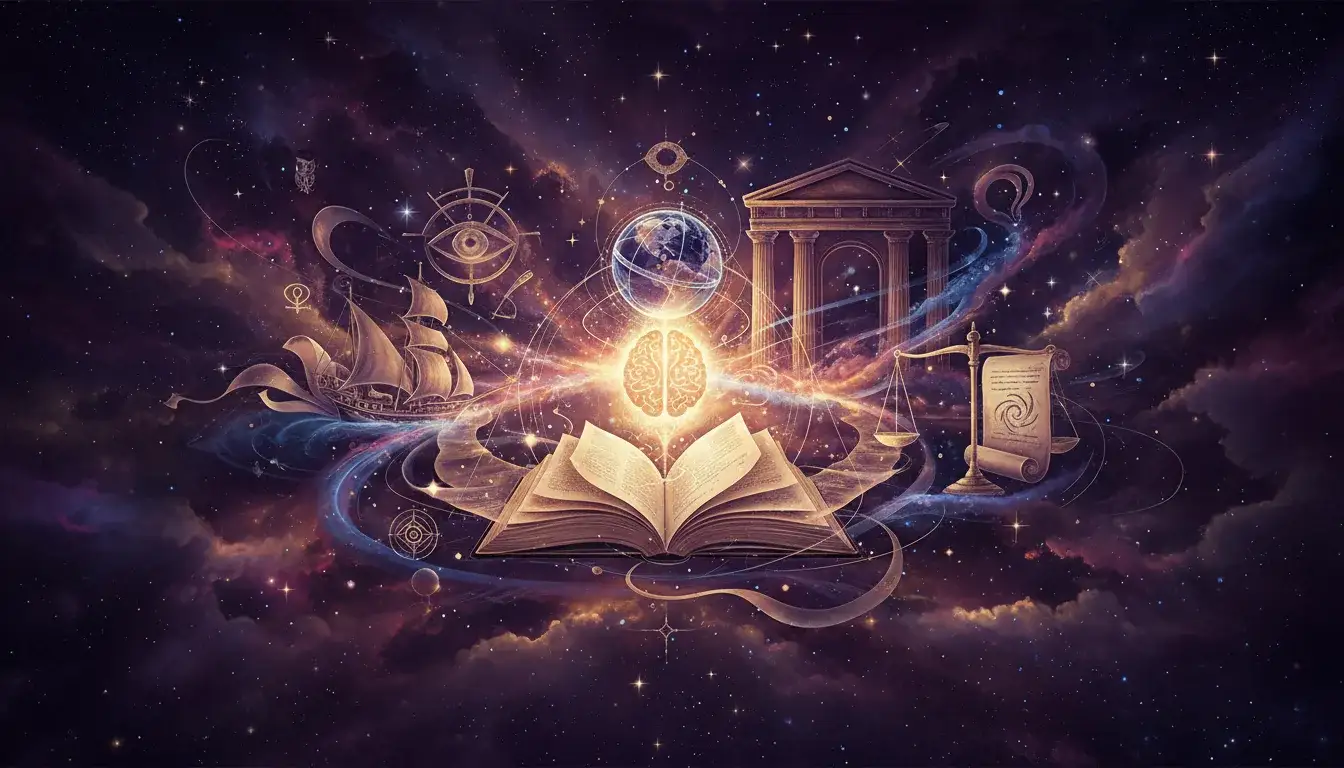
9th house
Travel, education
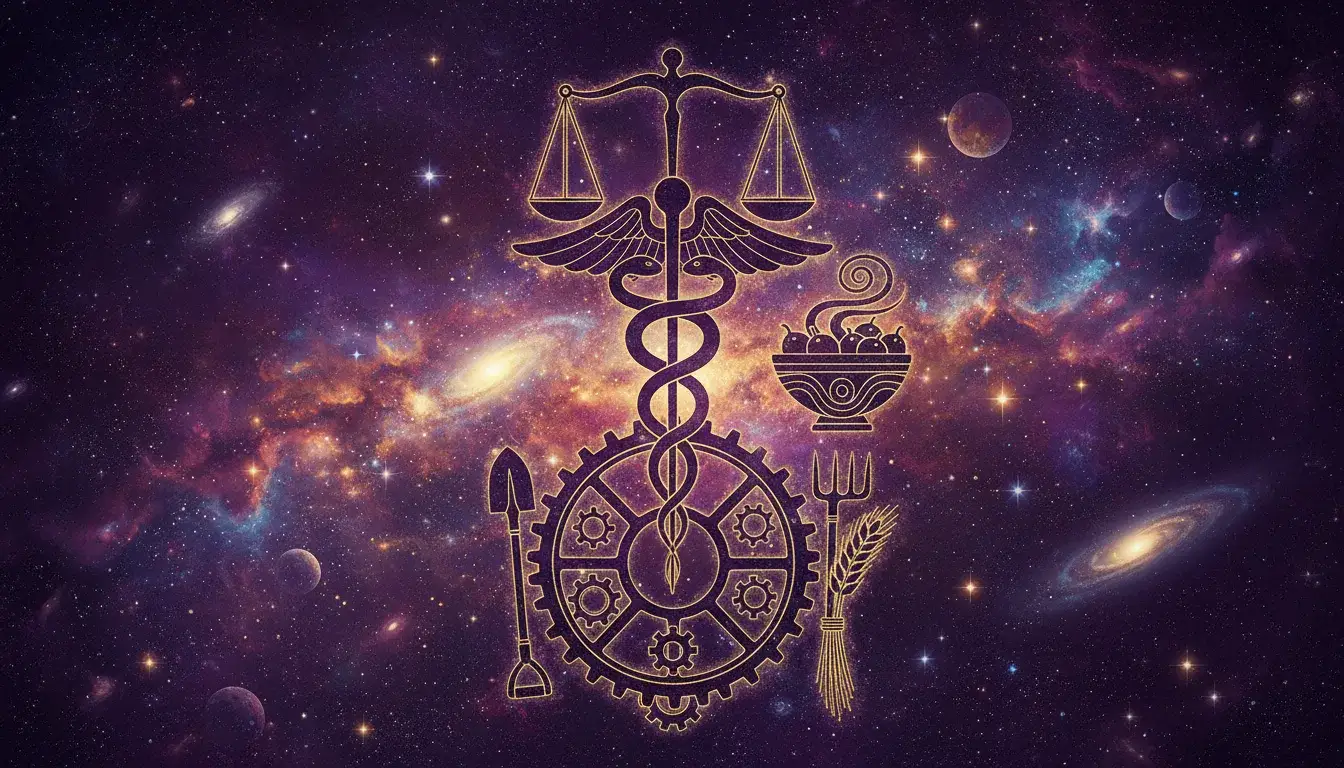
6th house
Health procedures

2nd house
Finances
Election charts emphasize these houses using planetary rulerships and angles.
Electional Astrology and Natal Charts
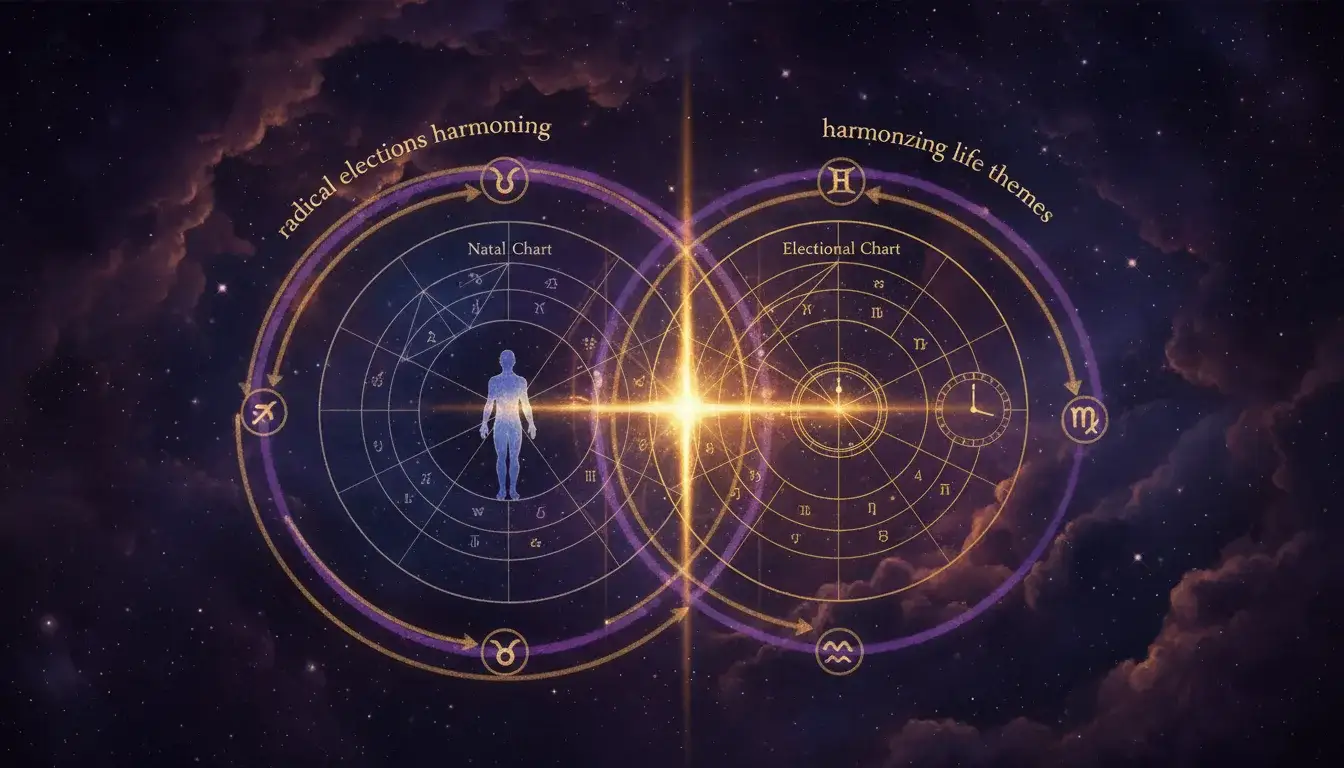
Some elections are general. Others align with the person's birth chart.
When possible, astrologers prefer natal-based elections. They ensure the event harmonizes with life themes and ongoing transits.
This requires more complexity but brings deeper alignment. These are called "radical elections."
For example, someone with a strong Jupiter placement may benefit more from Jupiter-themed elections.
Step-by-Step Guide to Choosing a Good Electional Date
The process takes time and precision. Here's how astrologers usually approach it:
It often involves trade-offs. There's rarely a perfect chart — but many decent ones with strengths that match the goal.
Electional Astrology in Historical and Cultural Context
The practice isn't new. Ancient astrologers timed everything from battles to temple dedications.
Babylonians and Egyptians tracked planetary movements meticulously. In medieval Islam, astrologers advised rulers on military and political moves.
Vedic astrology has its own electional system called muhurta. It guides sacred rituals and practical decisions alike.
Today, modern practitioners continue this tradition. Software and ephemerides speed up the process, but the logic stays the same.
Electional Astrology Tools and Resources
Modern astrologers use a mix of tools to build and assess charts:
Accuracy matters. Even a few minutes can shift the rising sign and change the chart.
Electional Astrology vs Horary and Natal Astrology
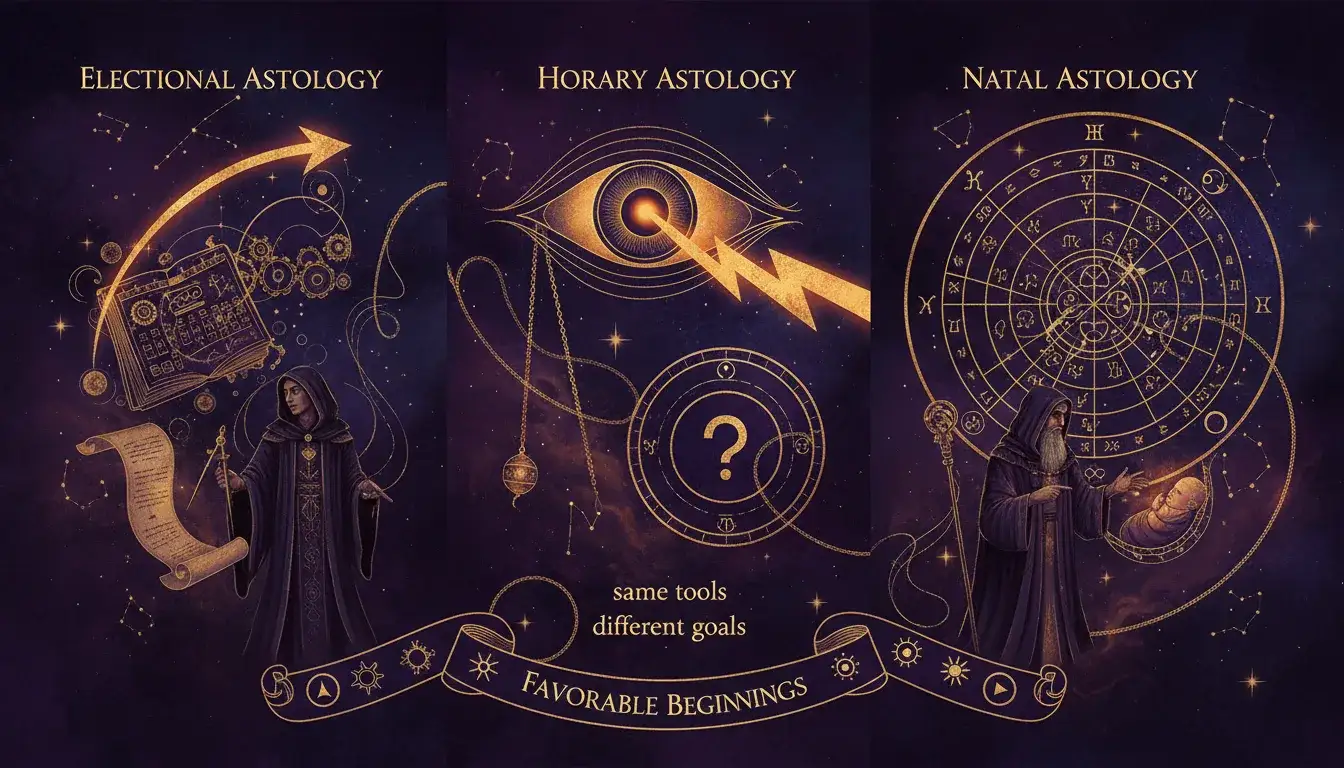
Electional astrology is forward-looking. It plans the start of something.
Horary answers a specific question by casting a chart for the moment the question is asked. Natal astrology interprets the chart of birth.
All three use the same tools — but for different goals. Electional is about creating favorable beginnings.
Limitations and Criticisms
No timing method can guarantee success. Life is full of unknowns.
Electional astrology doesn't replace strategy, preparation, or skill. It simply aligns with what's considered favorable symbolism.
Skeptics argue it lacks empirical proof. That's true — astrology is not validated by current scientific models.
Still, many see electional timing as a meaningful ritual. It creates intention and structure.
Conclusion: Aligning With the Rhythms of the Cosmos
Electional astrology helps you act with timing in mind. It brings awareness to when you start, not just how.
The method blends observation, tradition, and intuition. And even without promises, it can shape how you move forward — one chart at a time.