










The Four Elements — Earth, Water, Air, and Fire — come from ancient natural philosophy. They describe the basic forces shaping both the material and spiritual aspects of life.
This elemental model first appeared in Greek thought but found echoes in many cultures. While science moved past this system, the ideas behind it continue to inspire art, spirituality, and personal growth.
Historical Origins of the Four Elements in Philosophy
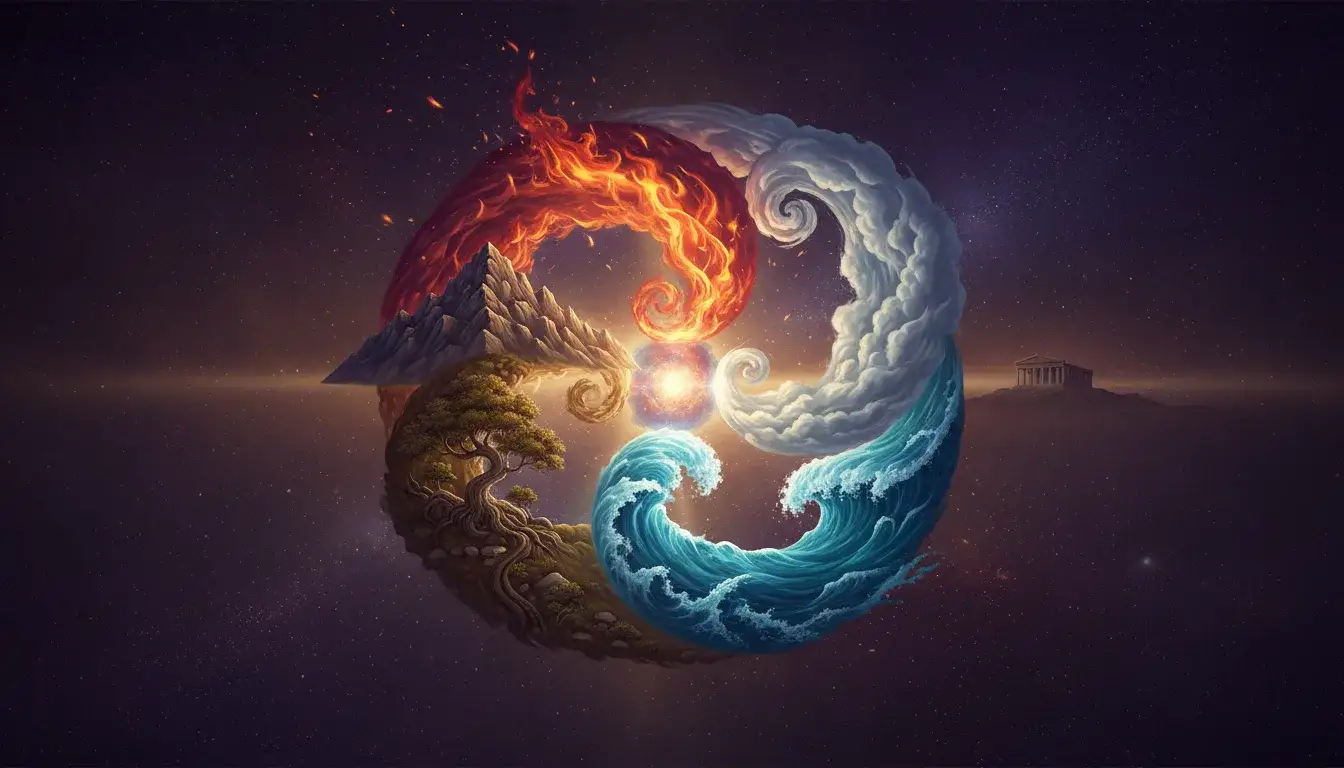
The theory of four elements emerged around the 5th century BCE with Empedocles. He suggested that all matter consisted of these four roots: Earth, Water, Air, and Fire.
Plato supported the idea, connecting each element to a specific geometric shape. Aristotle later added a fifth — aether — linking it to the heavens.
In classical medicine, the four elements were tied to humors in the human body. Balance among them was seen as essential for health. This framework also shaped medieval alchemy, aiming to refine or transform matter through elemental harmony.
Scientific Interpretation of the Four Elements
Modern science does not consider Earth, Water, Air, and Fire as literal building blocks of matter. Instead, it categorizes substances into atoms and molecules.
Still, the four elements metaphorically resemble states of matter. This symbolic alignment preserves the idea of transformation through phase changes. While outdated as a scientific theory, the elemental structure remains a useful symbolic lens.
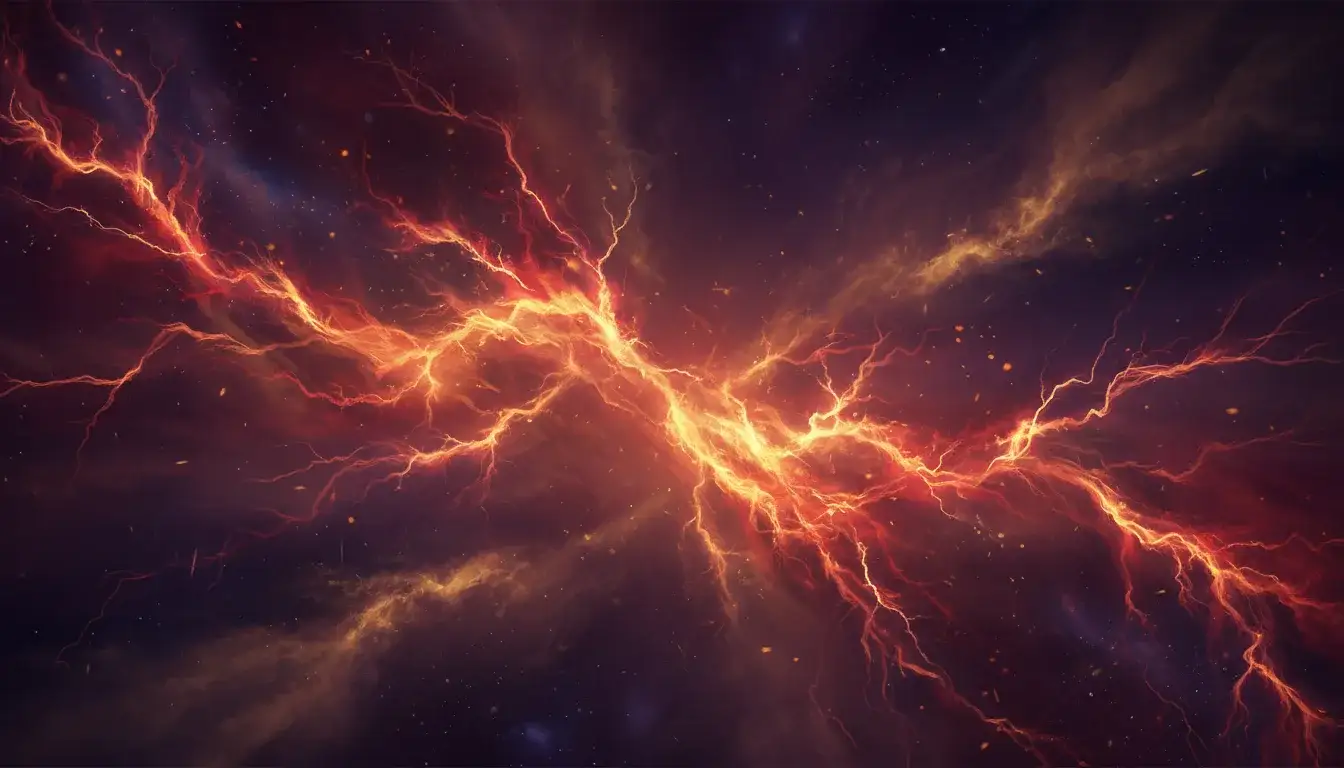
Fire — Plasma
Plasmaenergy, transformation, light
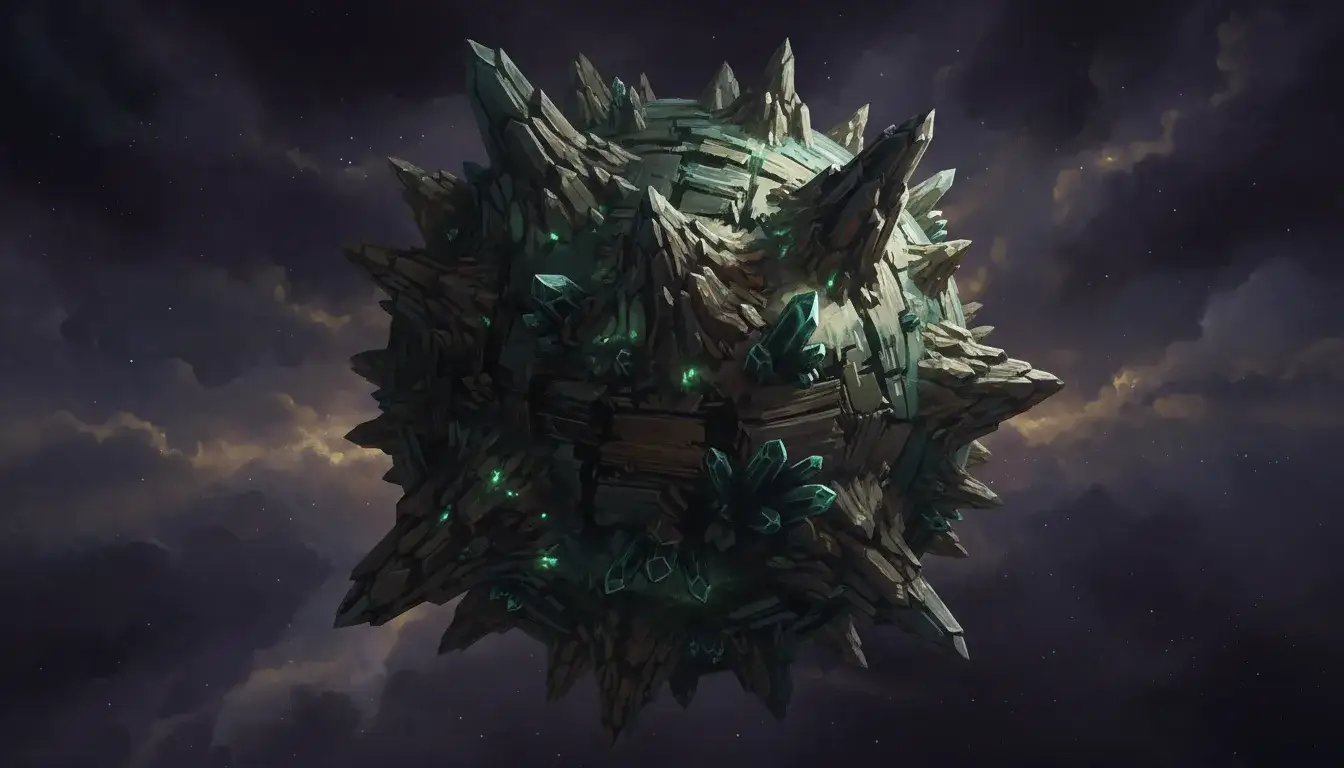
Earth — Solid
Solidstructure, form, stability
Air — Gas
Gasexpansion, thought, movement
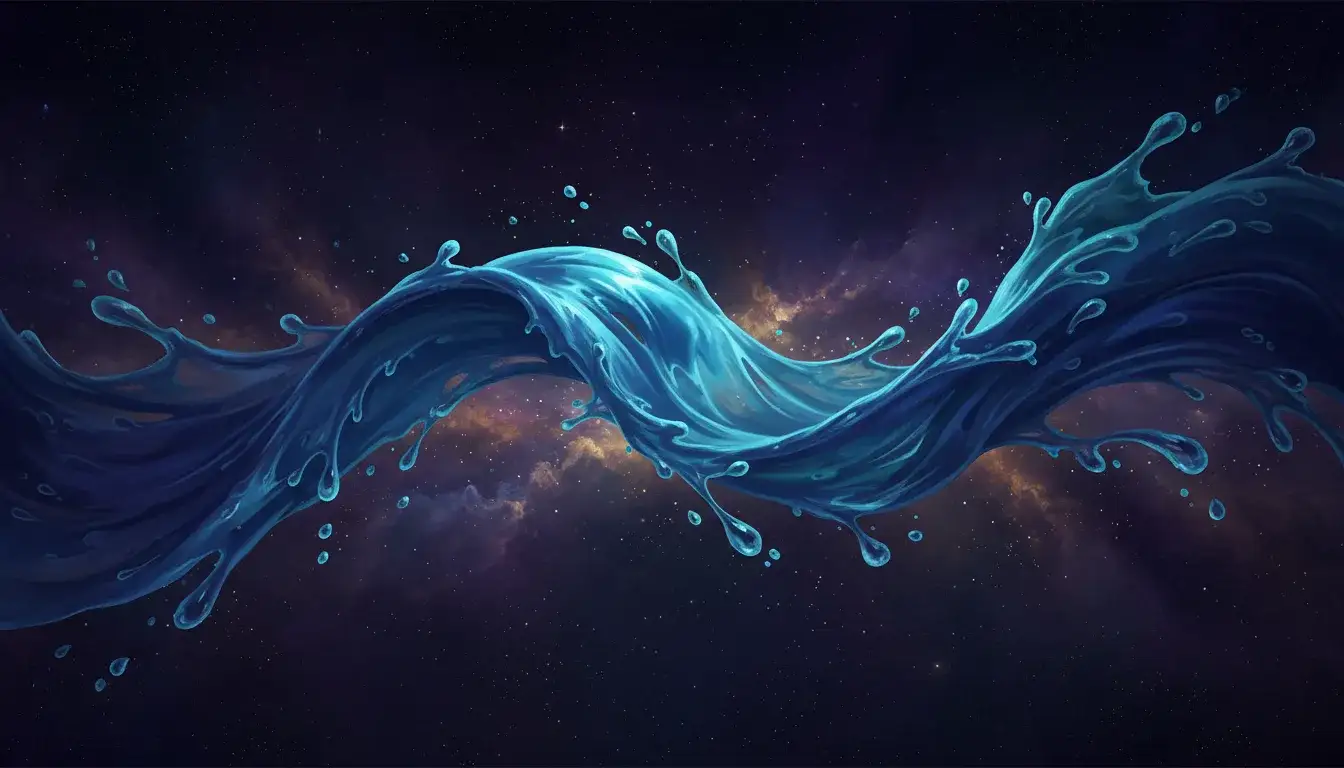
Water — Liquid
Liquidflow, adaptability, emotion
The Elements in Spirituality and Energy Work
In spiritual practices, each element is linked to energetic qualities. They reflect inner dynamics and outer experiences.
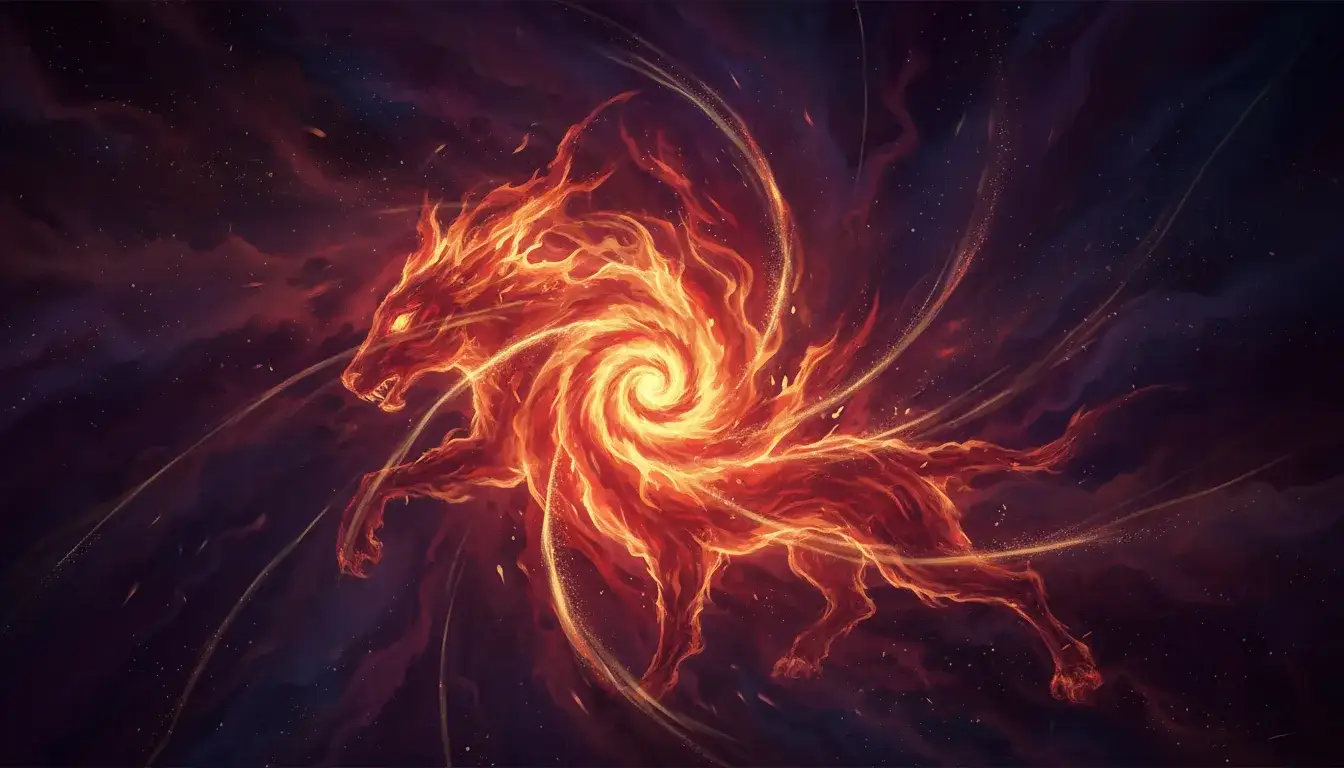
Fire Element Meaning
Energy, drive, transformation. Bold and determined, creative and intense, drawn to challenges.

Earth Element Meaning
Structure, security, physical form. Stable and patient, anchored in routines, connected with nature.
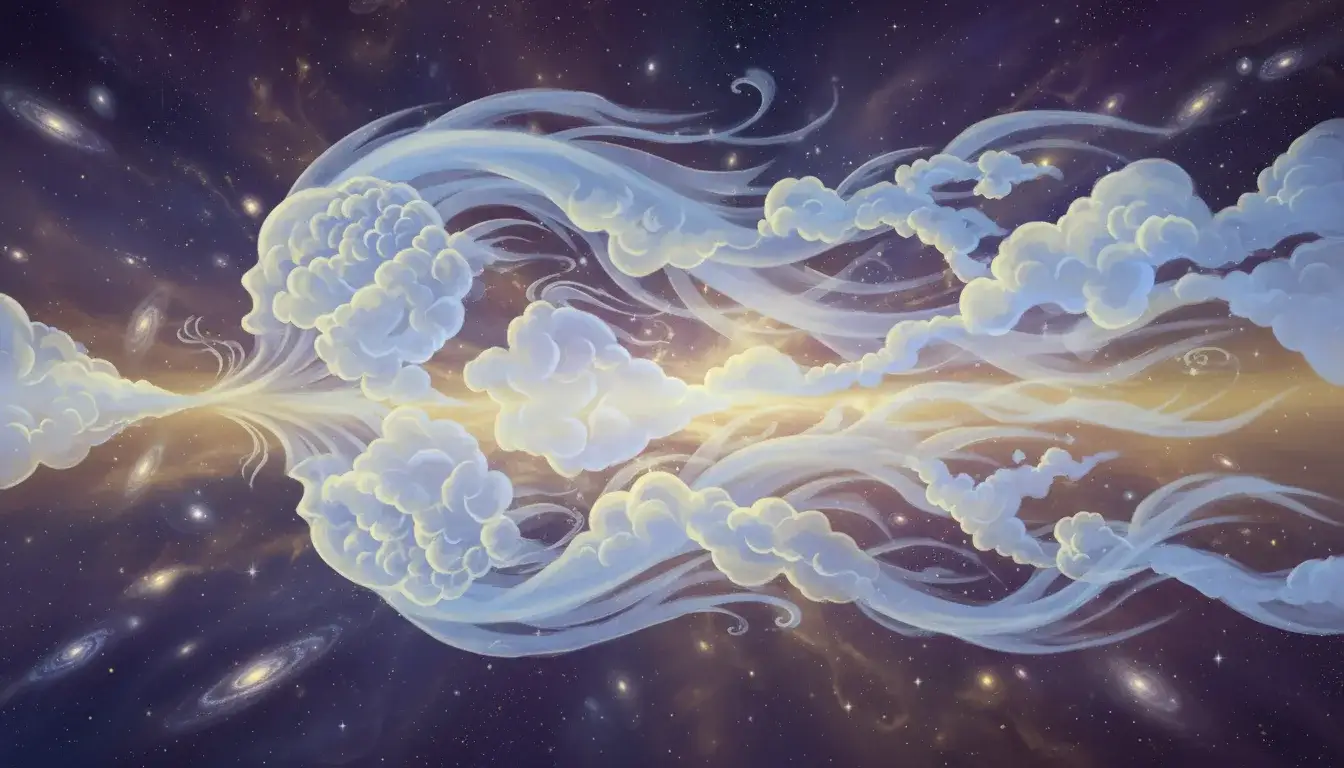
Air Element Meaning
Thoughts, ideas, communication. Analytical and objective, fast-moving, curious and verbally expressive.
Water Element Meaning
Emotions, dreams, intuition. Empathic and fluid, sensitive to atmosphere, drawn to reflection.
How to Work With the Elements in Daily Life
Working with elemental energies supports emotional awareness and focus. Each element connects to real-world practices. Setting up a small altar with symbolic items can also strengthen your connection. Crystals, feathers, candles, and seashells align with their respective elements. Balancing your energy through these symbols can bring clarity and calm.
Fire Practice
Light candles to ignite passion. Meditate with flame imagery.

Earth Practice
Meditate with imagery: mountains. Ground yourself by walking barefoot on soil.
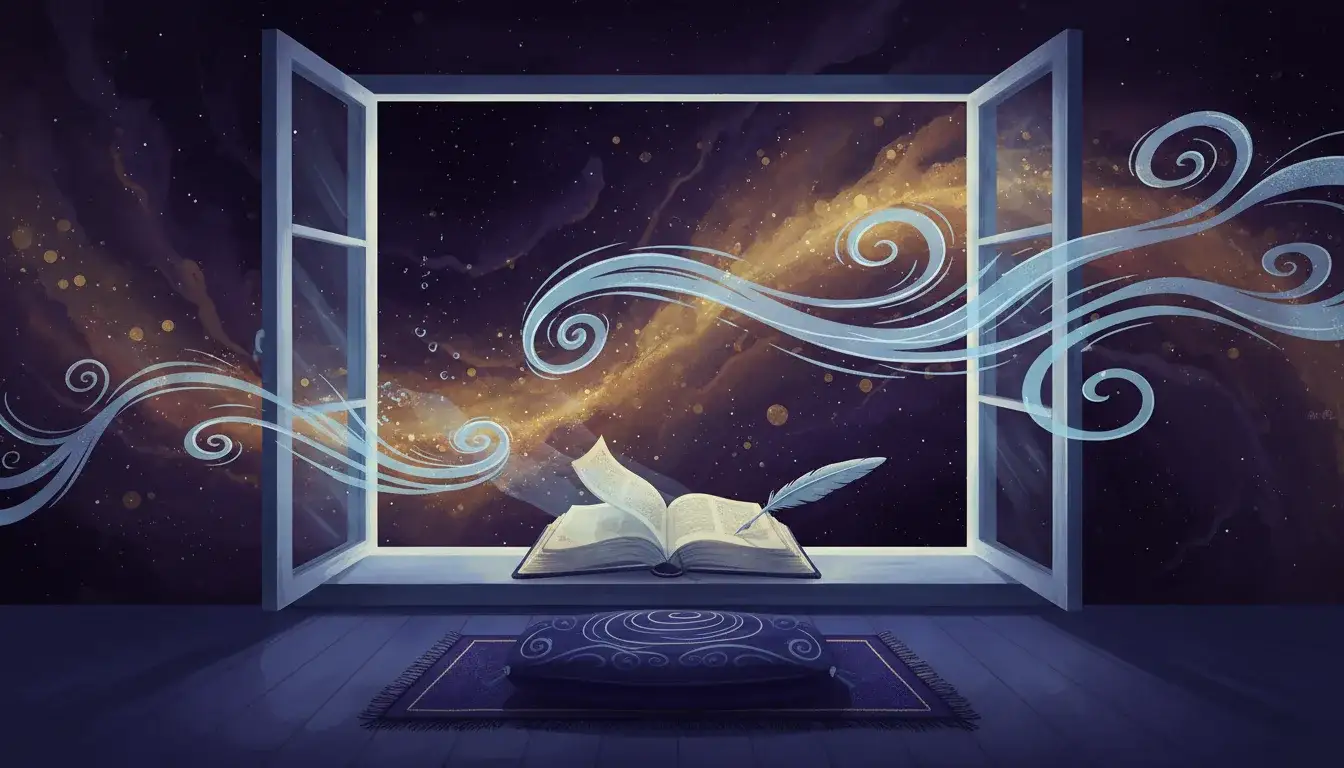
Air Practice
Journal near a window to clear the mind. Wind imagery in meditation.
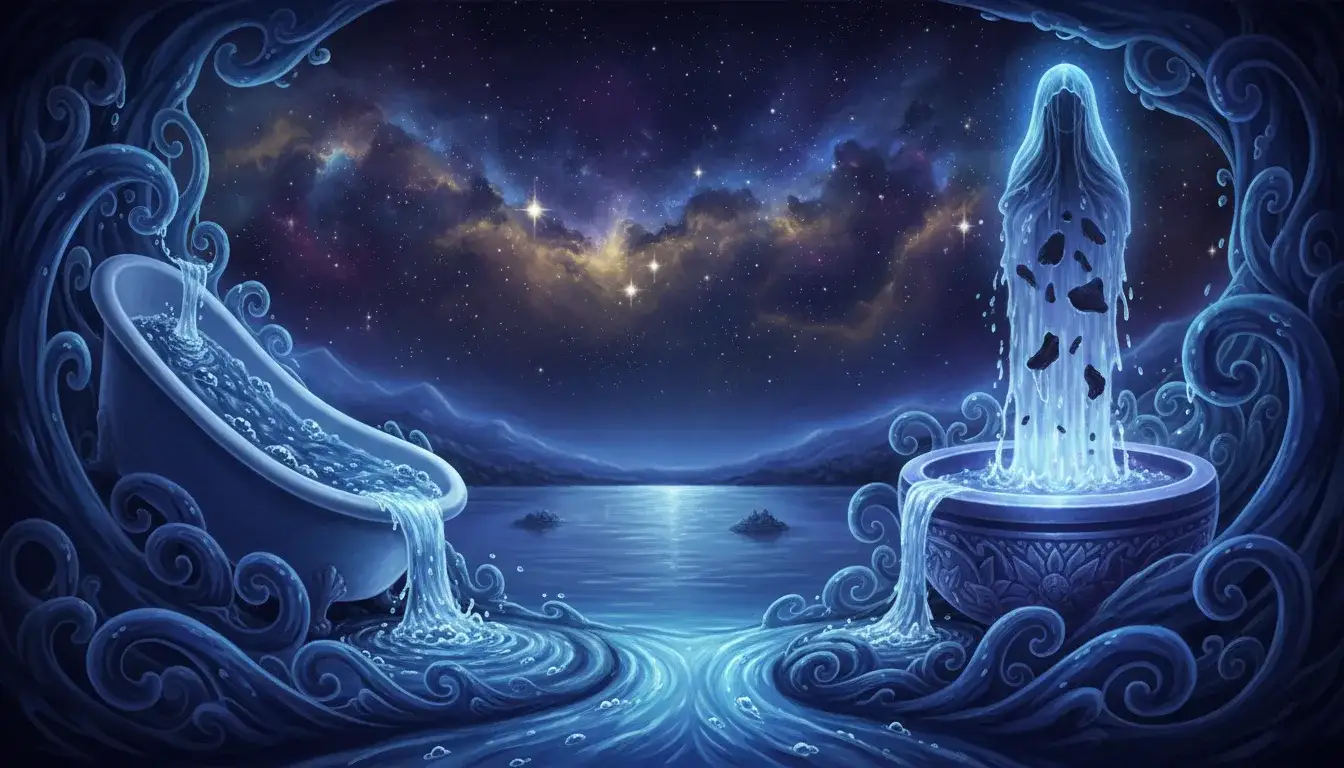
Water Practice
Cleanse emotional residue with water rituals like baths or lake swims.
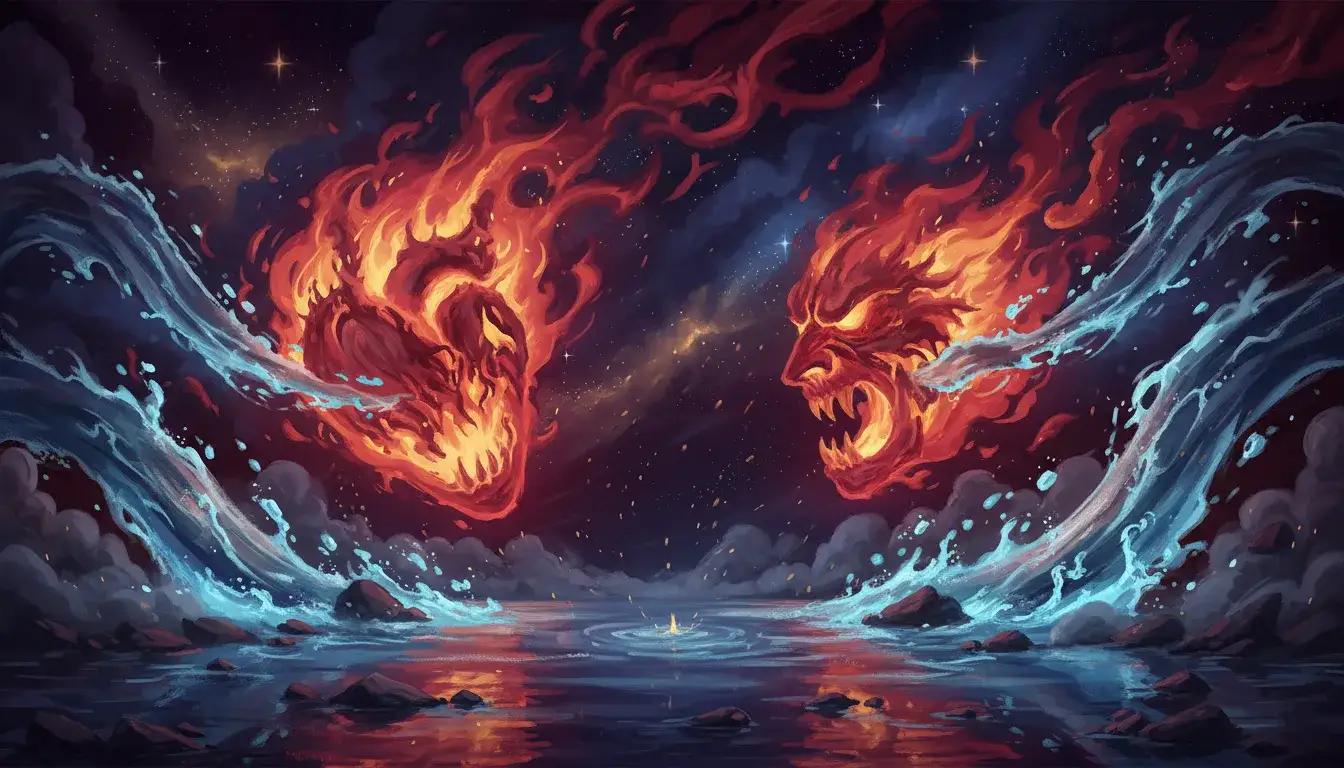
Overactive Fire
Burnout or anger — cool with water, rest, breathe.
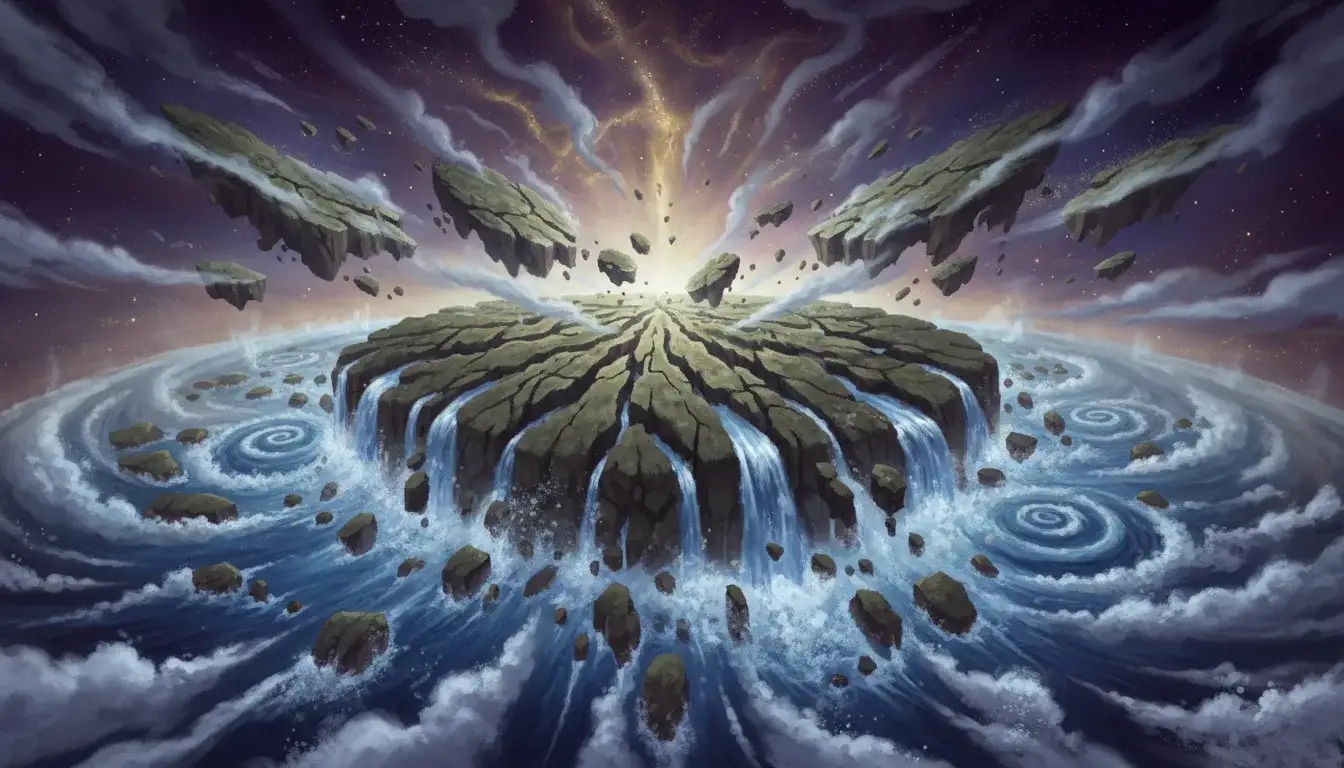
Too Much Earth
Feeling stuck — add movement, water, or air energy.
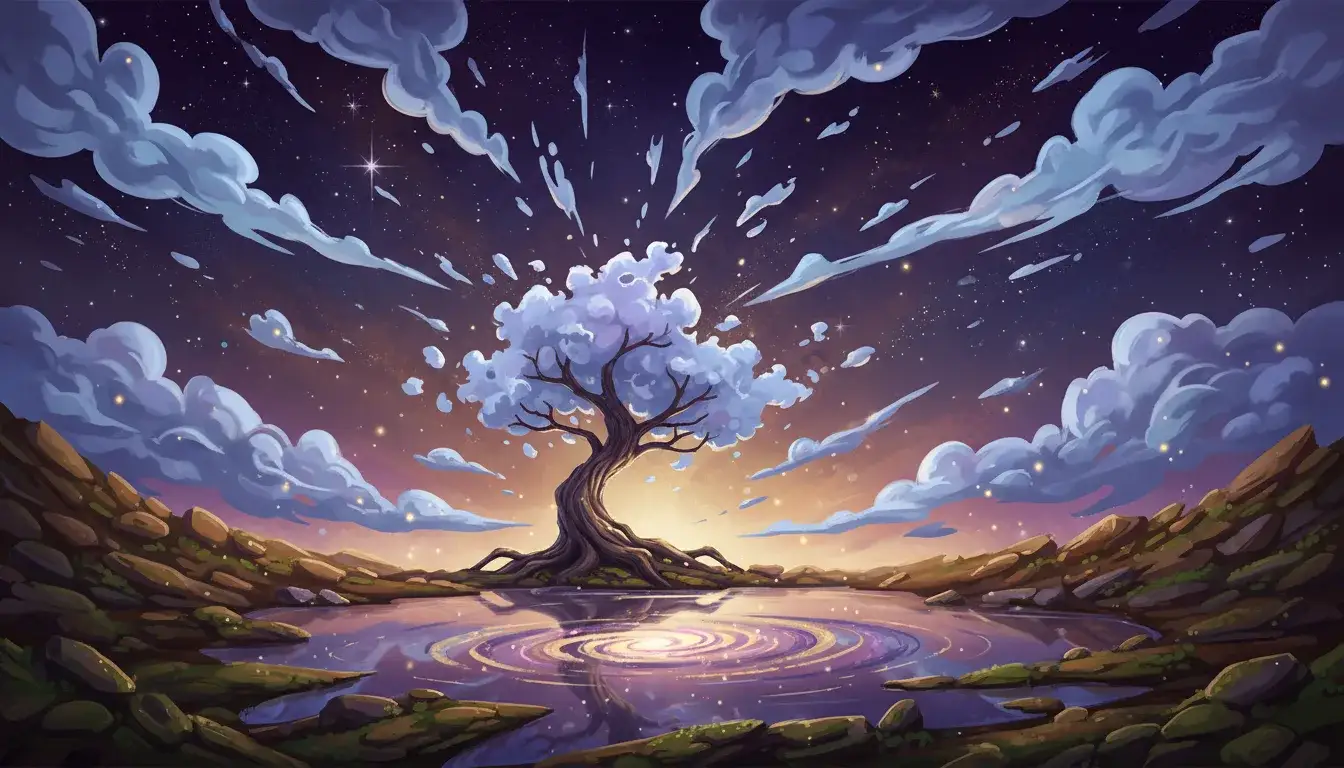
Too Much Air
Overthinking — ground, move body, connect with nature.
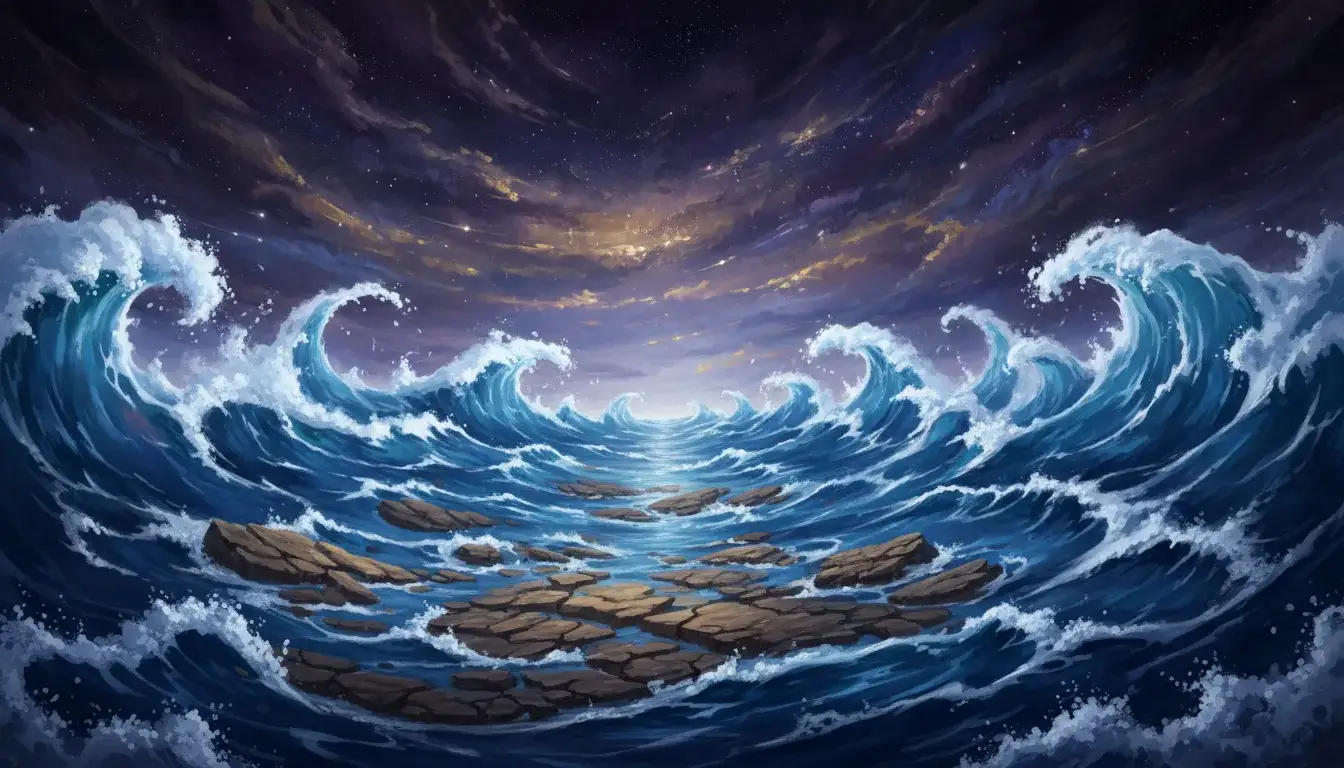
Excess Water
Emotionally overwhelmed — ground with earth, simplify.
Symbolism of the Elements in Art and Creativity
Art channels elemental forces in symbolic ways. Each element influences mood, color, and motion. Artists draw on elemental archetypes to express inner worlds or natural power. Some works even intentionally balance all four to evoke harmony.
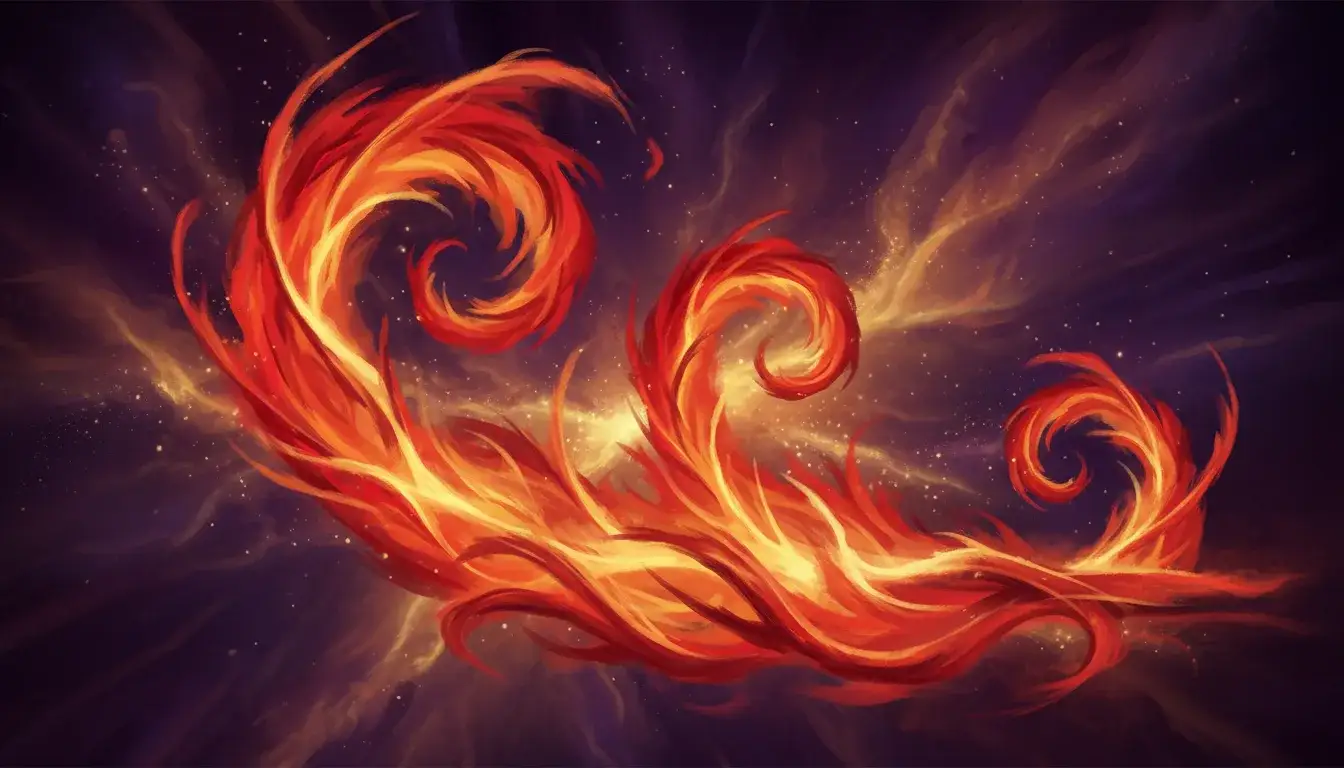
Fire in Art
Bold strokes, warm colors, dramatic shapes
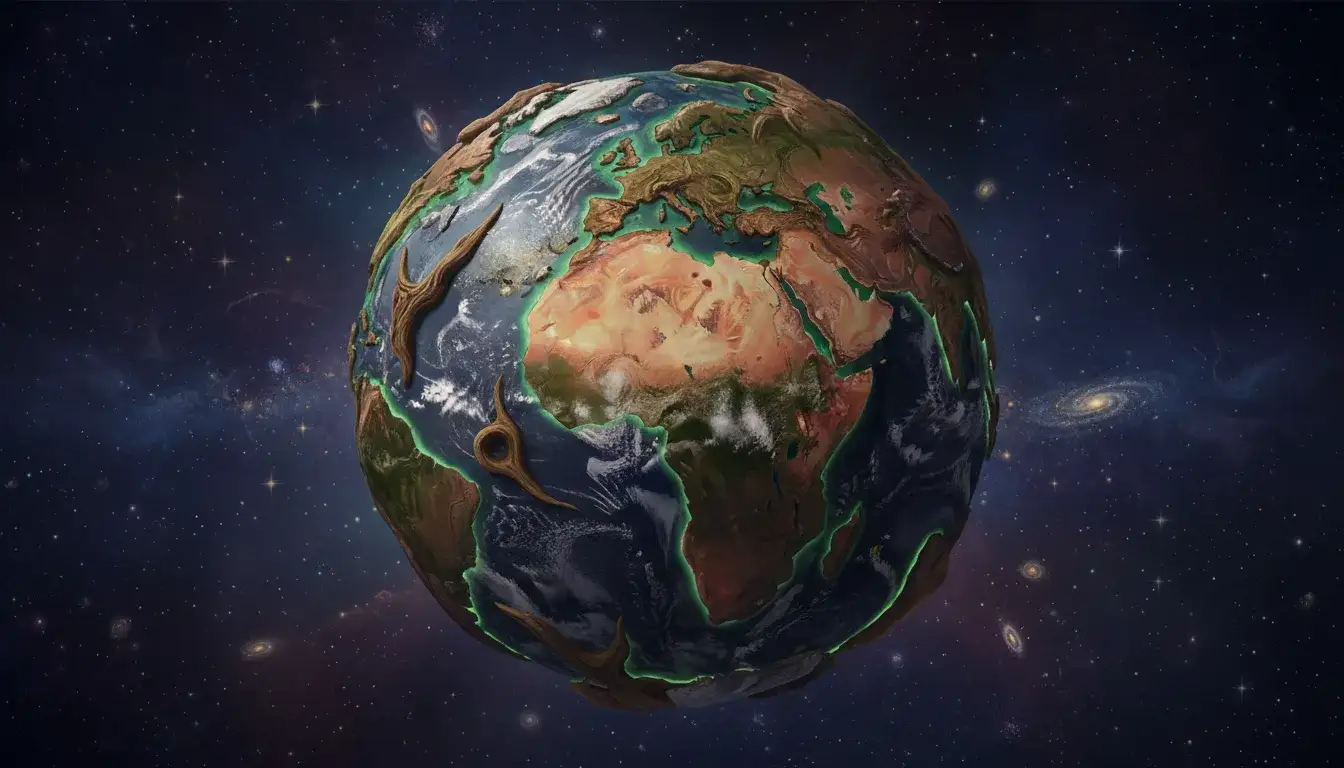
Earth in Art
Textures like stone, clay, or wood
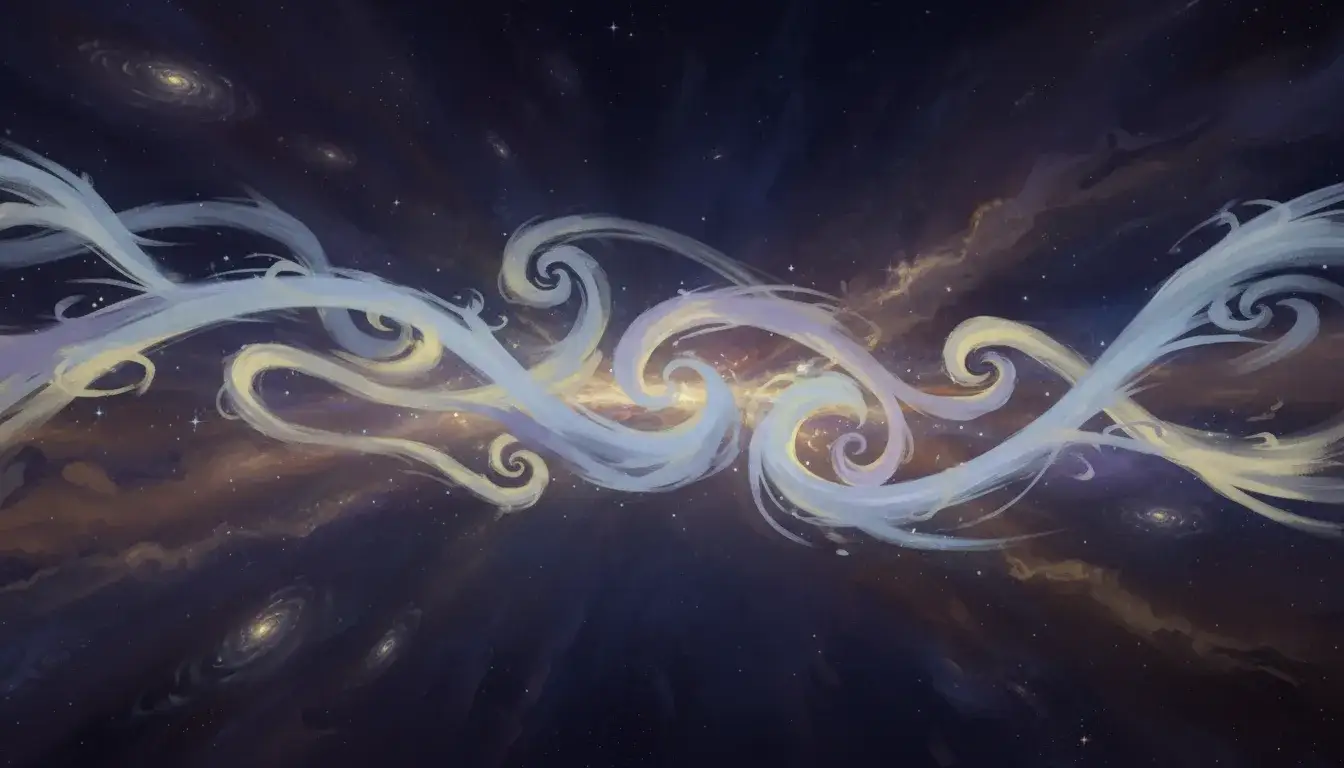
Air in Art
Open spaces, kinetic movement
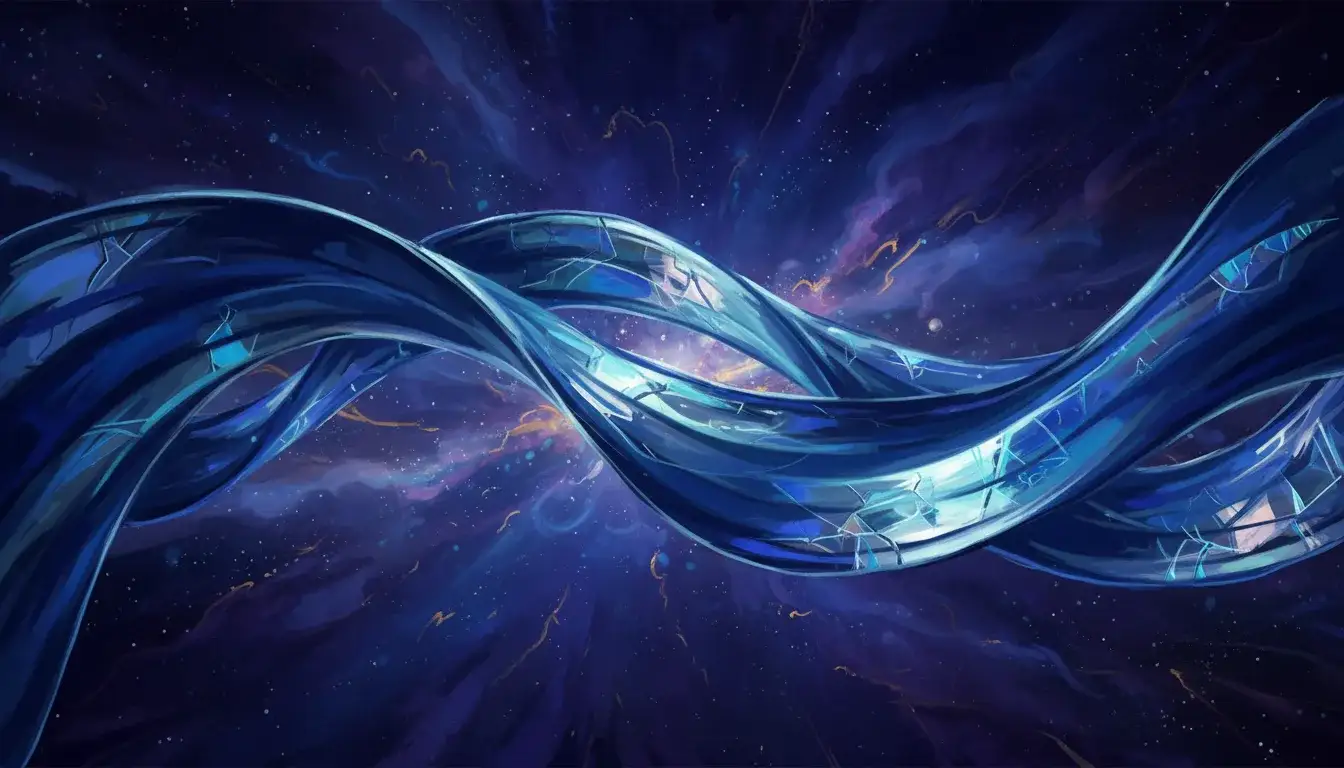
Water in Art
Flowing lines, blues, reflective surfaces
The Elements in Healing, Alchemy, and Esoteric Wisdom
Ancient healers treated the body through elemental diagnosis. In Ayurveda and Traditional Chinese Medicine, elemental systems help categorize imbalances.
Alchemy views the elements as stages of internal refinement. Earth stands for raw material, Water for dissolution, Air for inspiration, and Fire for purification.
These systems aim at personal transformation. Balancing these energies brings coherence between mind, body, and environment.
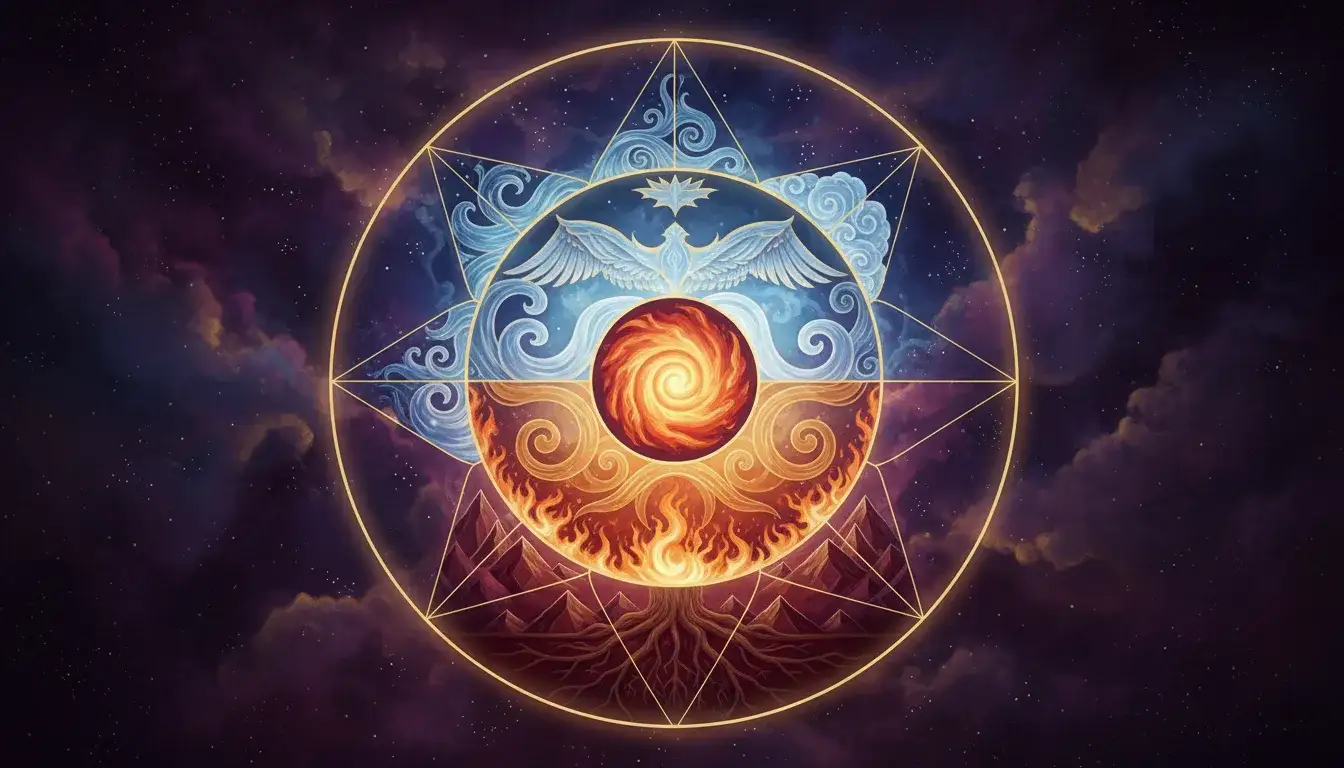
Chakras
Earth (root), Water (sacral), Air (heart/throat), Fire (solar plexus)
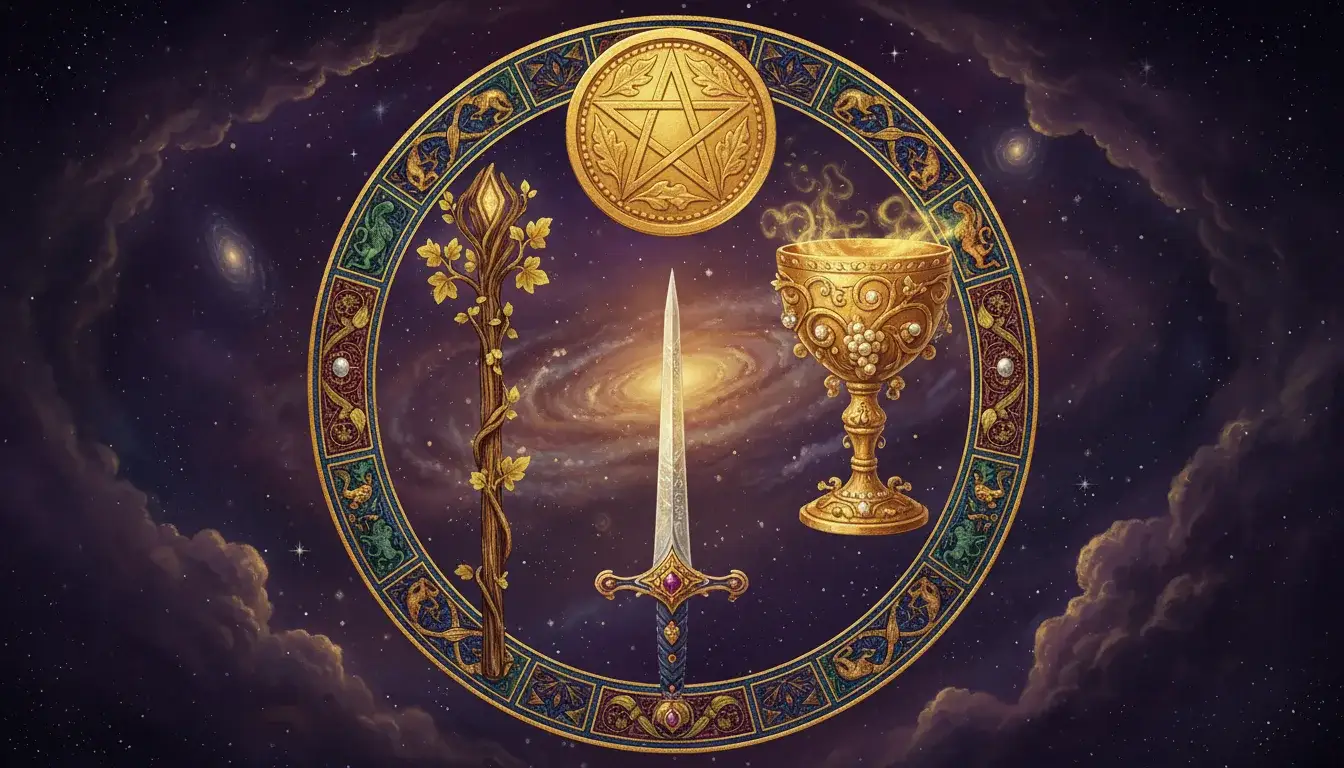
Tarot Suits
Pentacles (Earth), Cups (Water), Swords (Air), Wands (Fire)
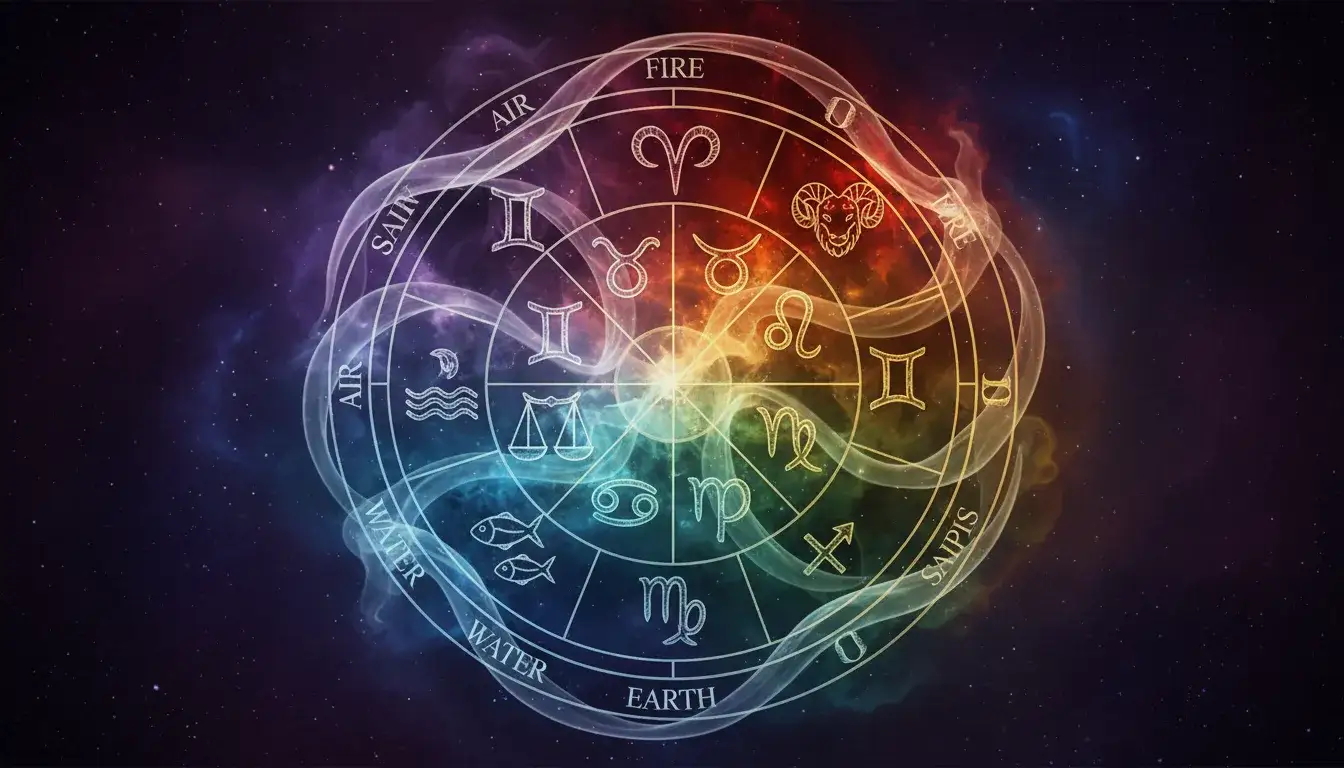
Astrology
Each zodiac sign belongs to one of the four elements
Modern Applications of the Elemental Model
People use elemental thinking in coaching, ritual, psychology, and goal-setting. It’s a framework that reveals patterns in behavior and relationships. The elemental structure fits many belief systems without conflict. Its simplicity makes it flexible and intuitive.
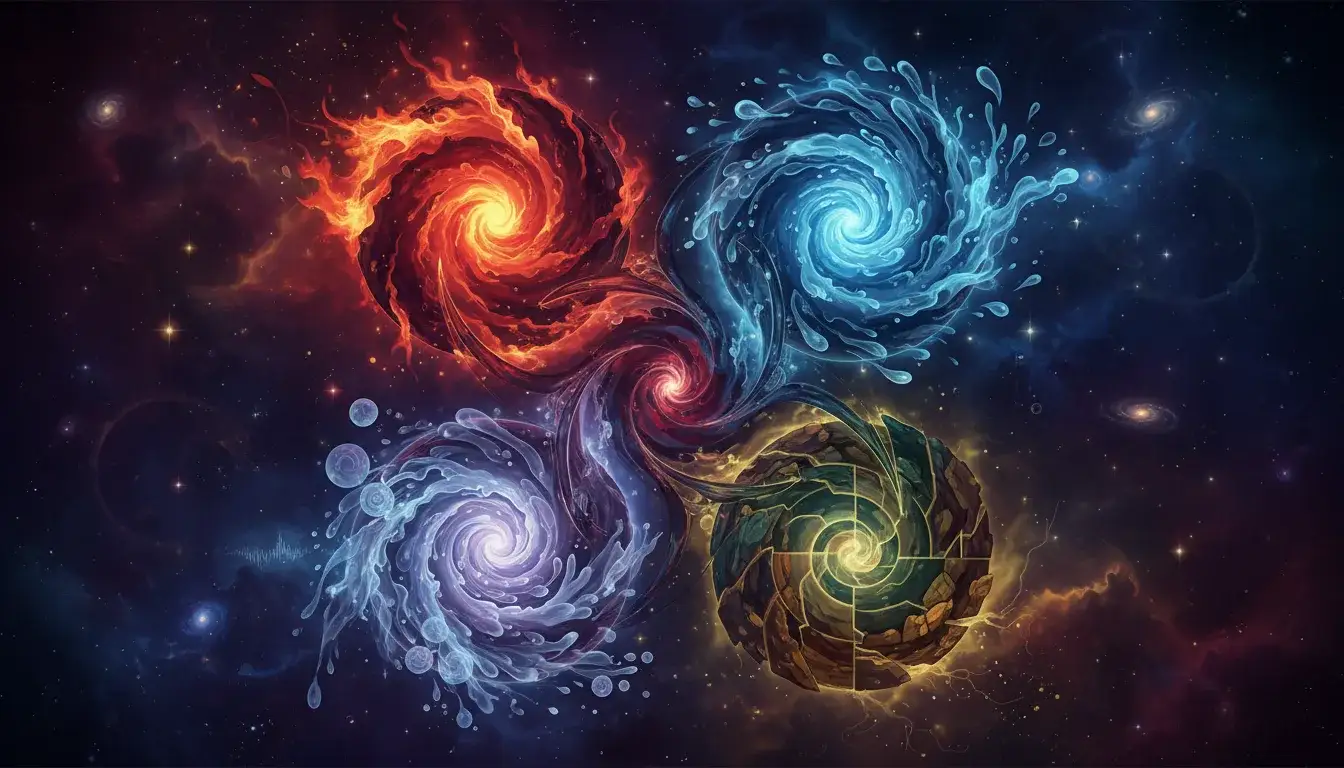
Emotional Mapping
Fire = anger, Water = sadness — mapping feelings to elements
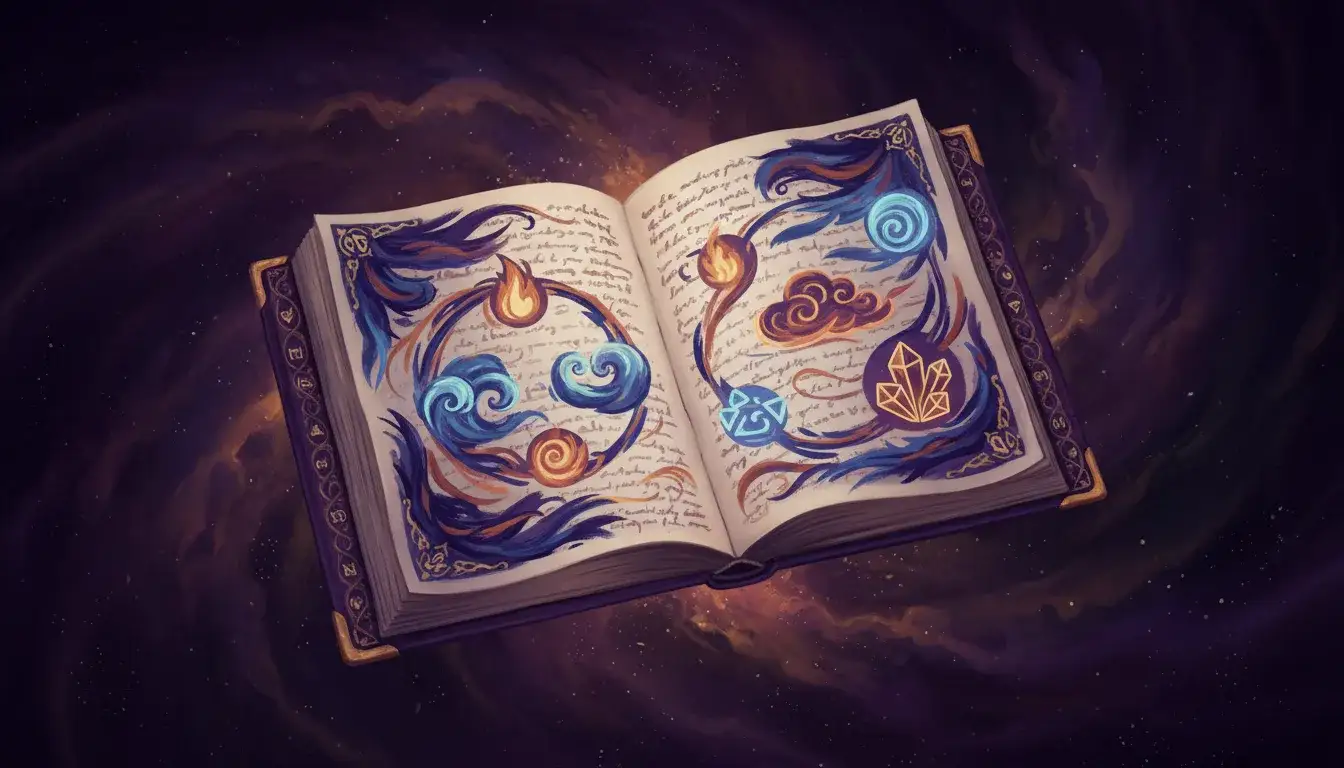
Self-Assessments
Journaling exercises to explore elemental balance
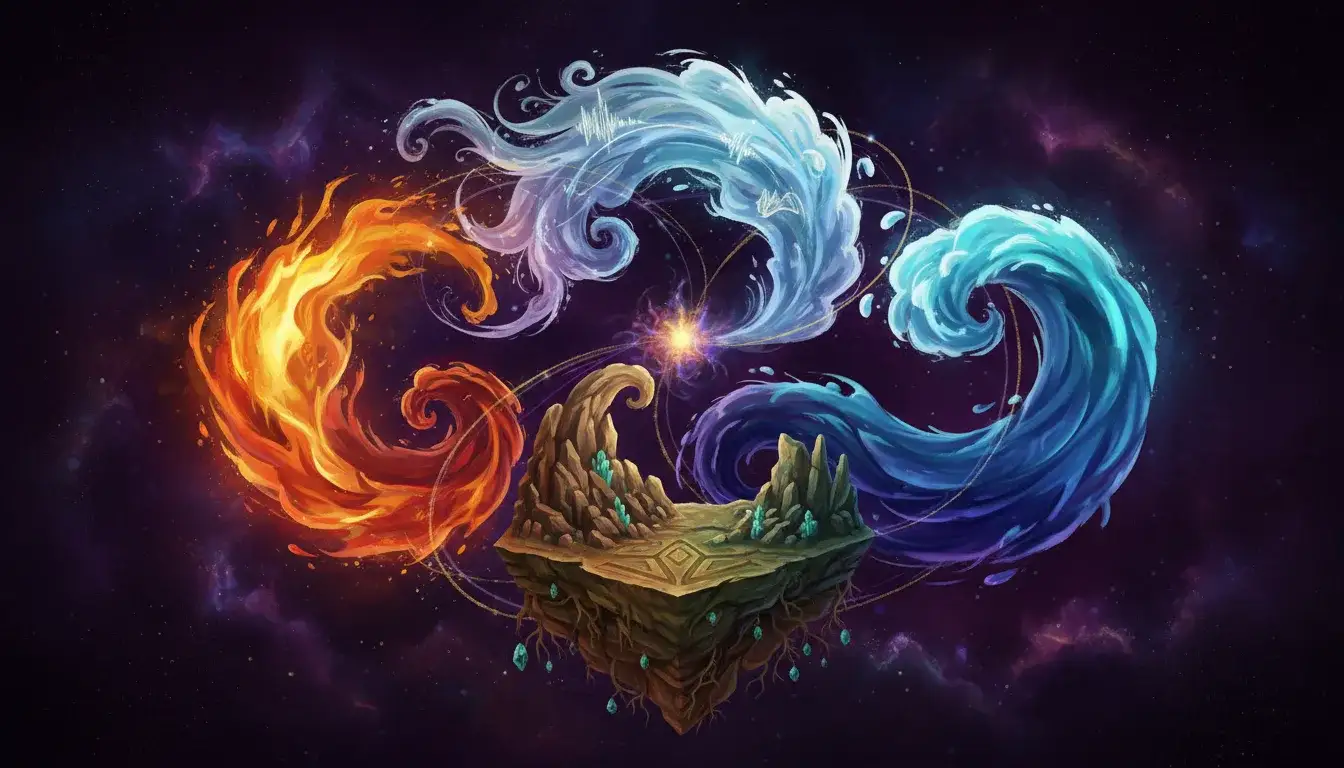
Group Dynamics
Team roles and collaboration through elemental lens
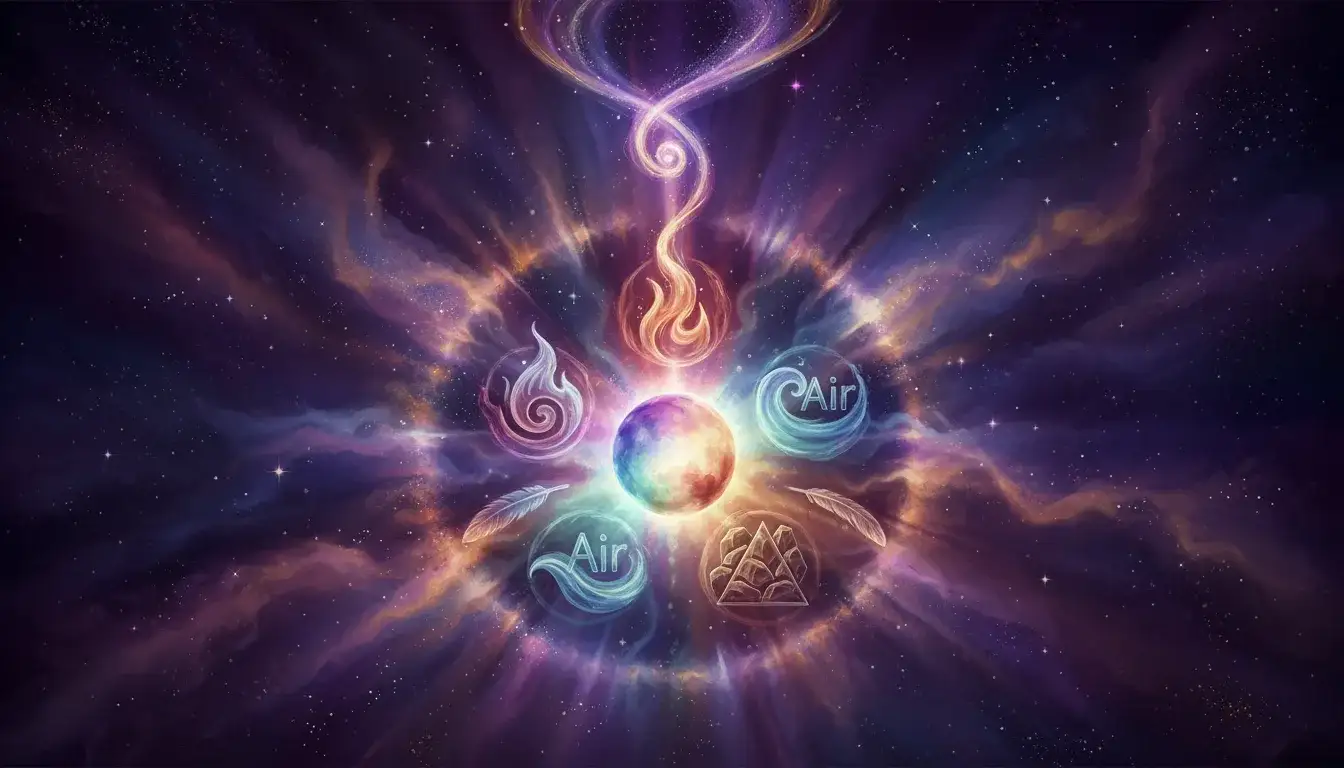
Energy Healing
Intention setting and energy work with elements
Summary: Why the Four Elements Still Matter
The Four Elements continue to shape thinking across philosophy, healing, and art. Though not literal substances, they serve as mirrors to human experience.
Their strength lies in metaphor and balance. Earth, Water, Air, and Fire offer timeless insight into how people live, think, and feel.