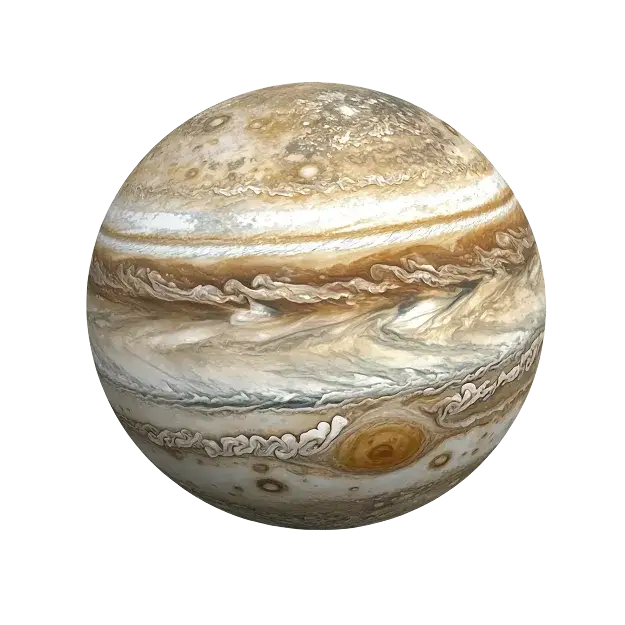
Mercury is the planet that shapes how we think, speak, learn, and express ourselves. It’s responsible for everything involving communication, intellect, and mental processing.
What Does Mercury Represent in Astrology?

Mercury reflects the mind’s function — how we gather information, how we express thoughts, and how we interpret the world around us. It’s fast, clever, and constantly moving, just like the thoughts it governs.
In mythology, Mercury was the Roman messenger god, also known as Hermes in Greek tradition. He moved swiftly between realms and was associated with trade, language, travel, and intelligence. In astrology, this symbolism carries over: Mercury governs all things related to communication, short-distance travel, and daily interactions.
It connects us to speech, writing, dialogue, and debate. It shapes how we learn, how we explain concepts, and how we absorb ideas. People with strong Mercury placements tend to have quick minds and sharp verbal skills.
This planet also rules over adaptability and movement. It governs short trips, technology, mental agility, and our approach to problem-solving. In a chart, Mercury shows how a person thinks and expresses themselves in real-time — their mental reflexes and cognitive tendencies.
Mercury’s Role in the Natal Chart

In a birth chart, Mercury represents a person’s communication style, intellectual rhythm, and thinking preferences. It doesn’t show whether someone is “smart” — it shows how their mind works and how they interact with information.
Mercury’s position shows whether a person is analytical or intuitive, detail-focused or big-picture-oriented, silent or chatty. It influences how people engage in conversations, write emails, share ideas, and process input.
A Mercury in an Air sign will approach speech with logic and objectivity. A Fire sign Mercury may speak boldly and directly. A Water sign Mercury tends to express through emotion and intuition, while Earth sign Mercury leans toward structure and pragmatism.
This planet also shapes daily habits. It influences how we talk to coworkers, how we process feedback, how we organize schedules, and even how we respond to texts.
Mercury’s Elemental and Modal Qualities

Mercury’s expression shifts depending on its elemental and modal qualities. The element shows the mental and communicative tone, while the modality explains how a person processes and shares information.
Together with Mercury’s sign and house, these qualities create a complete picture of how someone thinks and communicates.
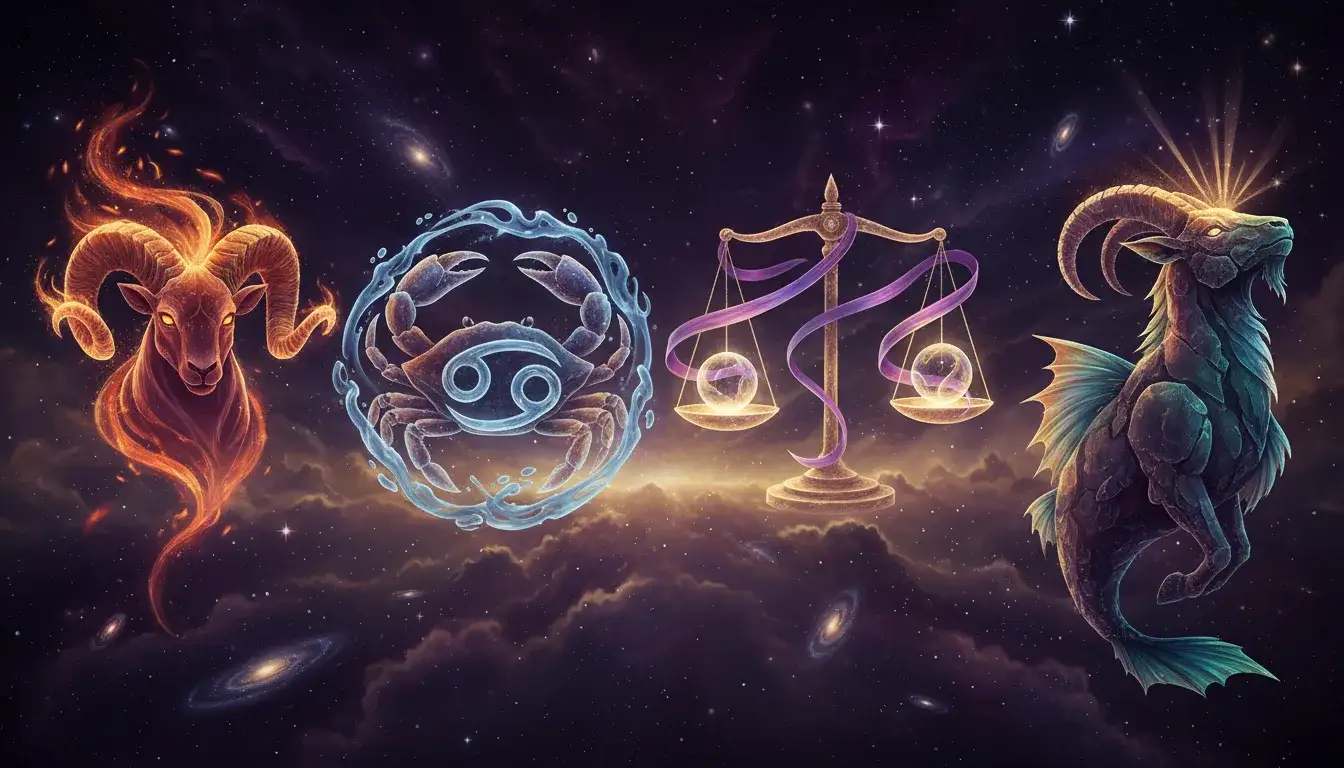
Cardinal signs
Aries, Cancer, Libra, Capricorn: initiate conversations, goal-oriented communication, action-focused thinking
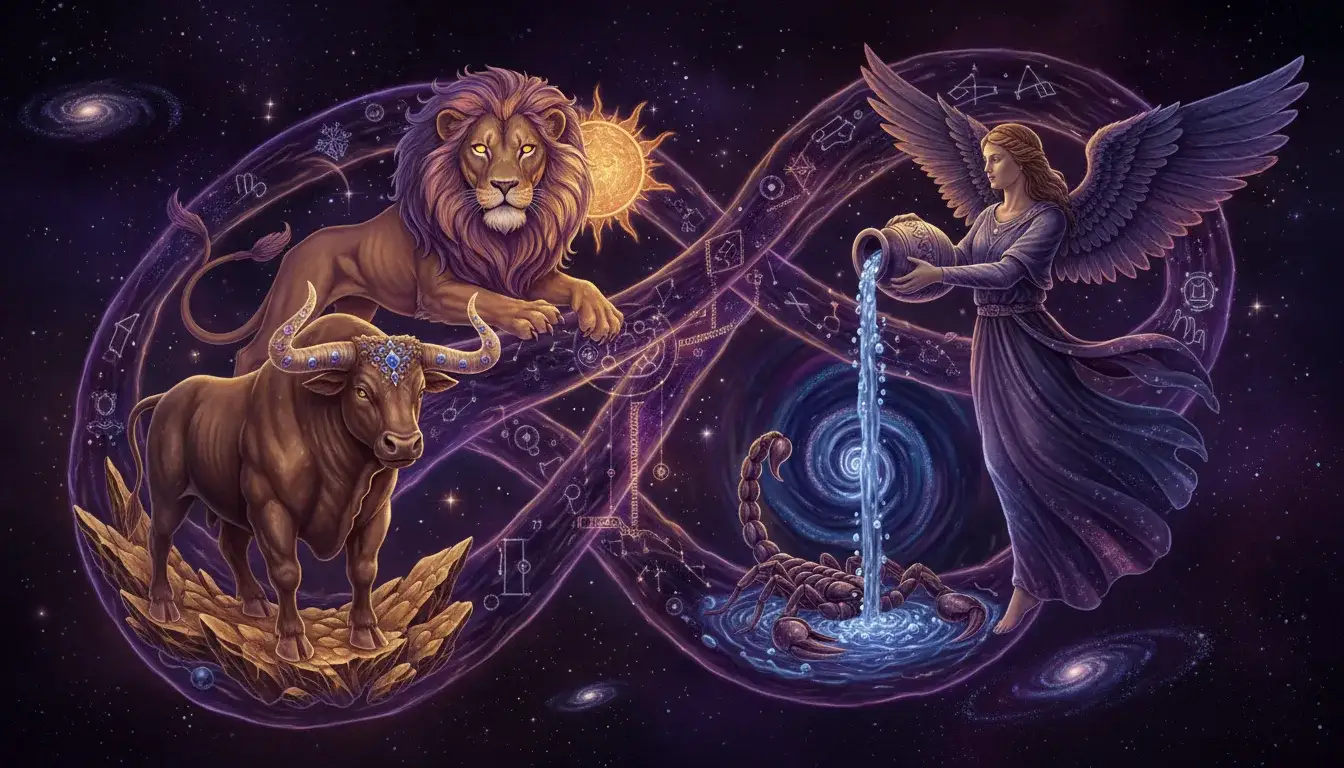
Fixed signs
Taurus, Leo, Scorpio, Aquarius: maintain ideas, deepen understanding, resist changing opinions

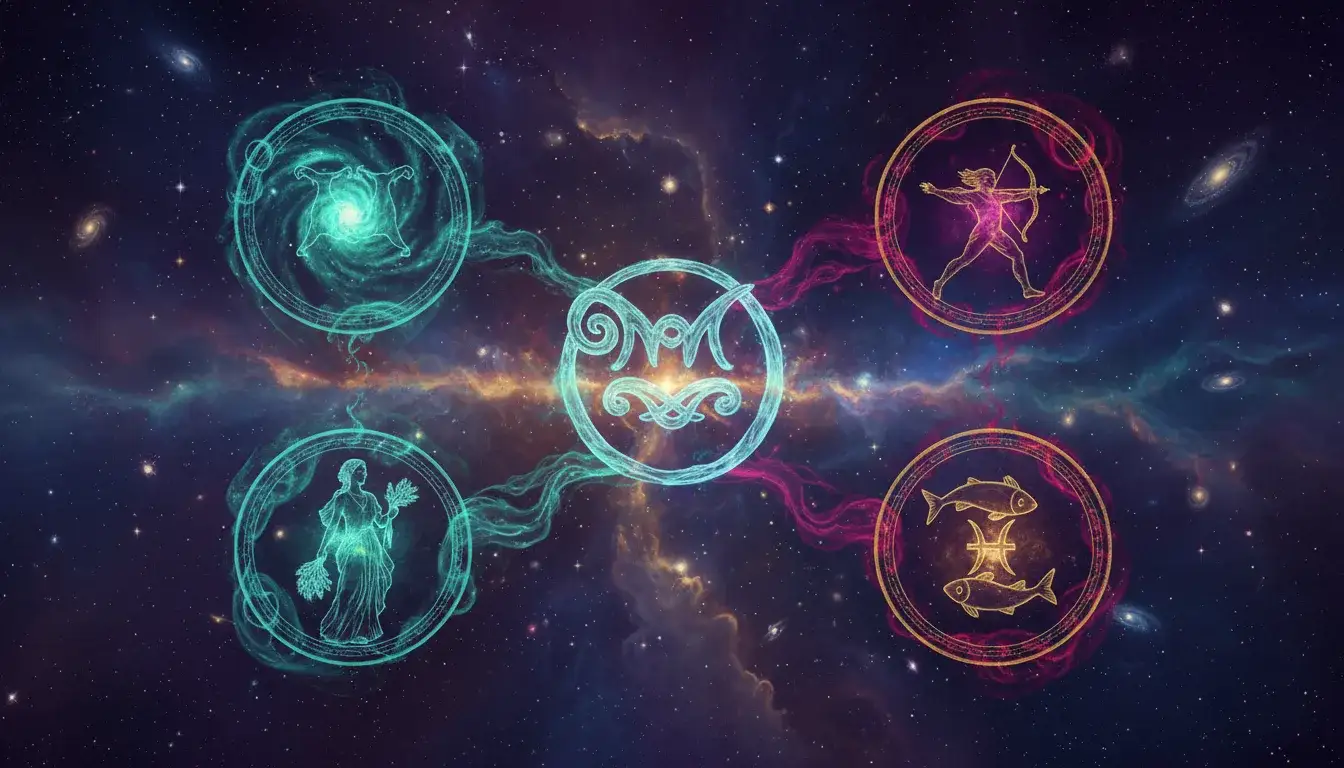
Mutable signs
Gemini, Virgo, Sagittarius, Pisces: adapt thinking easily, shift perspectives, stay mentally flexible
Each modality gives Mercury a distinct communication style:
Mercury’s Rulership and Dignities
In traditional astrology, Mercury functions most naturally in certain signs. These placements affect how easily mental and communicative energy flows.
Mercury Rules Gemini and Virgo
Mercury rules both Gemini and Virgo. In Gemini, it emphasizes curiosity, versatility, and social exchange. In Virgo, it focuses on analysis, precision, and practical application.
People with Mercury in these signs often have strong mental clarity, excellent communication skills, and natural intellectual abilities.
Mercury’s Exaltation, Fall, and Detriment
Mercury is exalted in Virgo, where its analytical and detail-oriented nature reaches peak expression. Mercury in detriment in Sagittarius and Pisces may struggle with focus, precision, or linear thinking. Mercury in fall in Pisces can be scattered, overly abstract, or emotionally overwhelmed.
These dignities don’t determine intelligence but show how naturally mental energy flows in different contexts.
Mercury in Zodiac Signs – Sign-by-Sign Breakdown
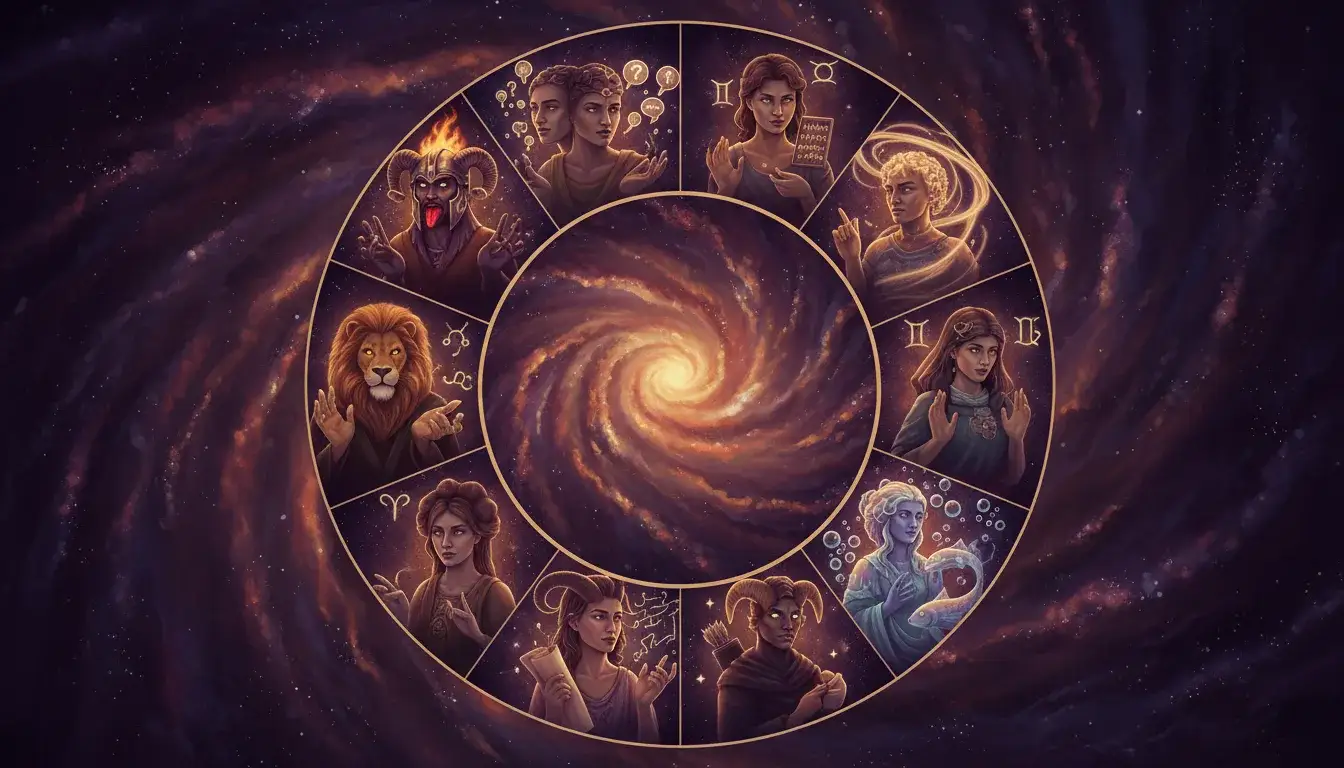
Each zodiac sign adds a distinct tone to Mercury’s energy. This shapes the way people speak, think, and process the world.
These placements define how thoughts form, how speech flows, and how ideas are processed.

Mercury in Aries
Fast, direct, impatient with slow explanations

Mercury in Taurus
Steady, practical, prefers concrete facts

Mercury in Gemini
Curious, versatile, loves variety and exchange

Mercury in Cancer
Intuitive, emotionally attuned communication

Mercury in Leo
Expressive, dramatic, seeks attention through words

Mercury in Virgo
Analytical, precise, detail-oriented

Mercury in Libra
Diplomatic, balanced, seeks harmony in dialogue

Mercury in Scorpio
Intense, probing, values depth over surface

Mercury in Sagittarius
Big-picture thinker, philosophical, loves teaching

Mercury in Capricorn
Structured, strategic, focused on results

Mercury in Aquarius
Innovative, unconventional, values originality

Mercury in Pisces
Imaginative, symbolic, absorbs through feeling
Mercury in the Astrological Houses
Beyond signs, Mercury’s position by house shows where a person applies their thinking skills most actively.
The house defines where mental energy is focused and where communication plays a central role in life experiences.

1st House
Communication shapes identity, quick first impressions

2nd House
Mental focus on resources, values, and earning

3rd House
Natural home: siblings, local travel, daily exchange

4th House
Private thoughts, family communication, home-based learning

5th House
Creative expression, teaching, playful communication

6th House
Practical skills, health routines, service-oriented thinking

7th House
Partnership dialogue, negotiation, one-on-one exchange

8th House
Research, secrets, shared resources, transformation

9th House
Philosophy, higher education, travel, belief systems

10th House
Public communication, career reputation, authority
11th House
Group ideas, networks, goals, community

12th House
Subconscious mind, private writing, solitude
Mercury Retrograde Meaning and Impact

Mercury retrograde happens when the planet appears to move backward in the sky. It’s not an actual reversal — just a visual illusion from Earth’s perspective — but it has strong symbolic meaning.
During retrograde periods, Mercury-related themes tend to get messy. Misunderstandings happen more often. Tech devices fail, messages get lost, and travel plans fall apart. People often feel foggy-headed, unfocused, or nostalgic.
However, it’s also a good time to slow down. Instead of launching something new, focus on revising, reflecting, and reconnecting. It's a great window to revisit past ideas or clear unfinished tasks.
Common retrograde tips include:
Mercury in Vedic Astrology (Jyotish)

In Vedic astrology, Mercury is known as Budh, the planet of intellect, speech, and business. It’s considered neutral in nature and tends to reflect the qualities of the planets it interacts with.
Budh governs communication, intelligence, humor, and commerce. It represents logic, education, calculation, and adaptability. Its placement influences speaking ability, memory, and mental clarity.
Strong Mercury placements give sharp minds, business sense, and eloquence. Weak placements or afflictions may lead to anxiety, scattered thinking, or speech issues. In Jyotish, Mercury is at home in Gemini and Virgo — and it struggles when closely tied to malefic planets or when combust (too close to the Sun).
Mercury Aspects to Other Planets

Aspects involving Mercury shape how mental energy interacts with the rest of the chart. These angles affect communication style, learning patterns, and how thoughts integrate with emotions, will, or action.
Some aspects enhance mental clarity and expression. Others create tension, pushing someone toward growth through mental challenges or communication friction.

Mercury conjunct Sun
Identity fused with thinking, strong mental focus

Mercury conjunct Venus
Charming communication, diplomatic speech

Mercury square Mars
Sharp tongue, quick debates, mental tension
Mercury trine Jupiter
Optimistic thinking, expansive ideas
Mythological Origins and Archetypes of Mercury

In mythology, Mercury is the Roman version of Hermes — the fleet-footed messenger. He had winged sandals, carried a caduceus, and moved between gods and mortals with ease.
This image translates directly into astrology. Mercury connects all parts of the psyche. It bridges inner thoughts with outer speech, conscious with unconscious, logic with creativity.
It’s also associated with trickster energy — flexible, unpredictable, clever, and quick to adapt. That duality defines Mercury: it’s both analytical and imaginative, both logical and poetic.
Mercury in Synastry and Relationships

Mercury’s placement affects how people communicate in close relationships. In synastry, comparing two people’s Mercury signs shows how well they “get” each other mentally.
Similar Mercury signs tend to make communication smoother. Fire Mercury signs may speak with enthusiasm, while Water Mercury signs may prefer depth and subtlety. Conflict can arise when one person needs logic while the other seeks emotional resonance.
Good Mercury compatibility can create strong mental bonds, open conversations, and shared interests. Poor alignment may cause constant miscommunication or talking past one another.
Physical and Medical Associations of Mercury

In medical astrology, Mercury governs:
It’s linked to stress levels, mental clarity, and communication disorders. Issues with Mercury may show up as anxiety, nervous tics, speech delays, or scattered focus.
Mercury Transits and Their Effects
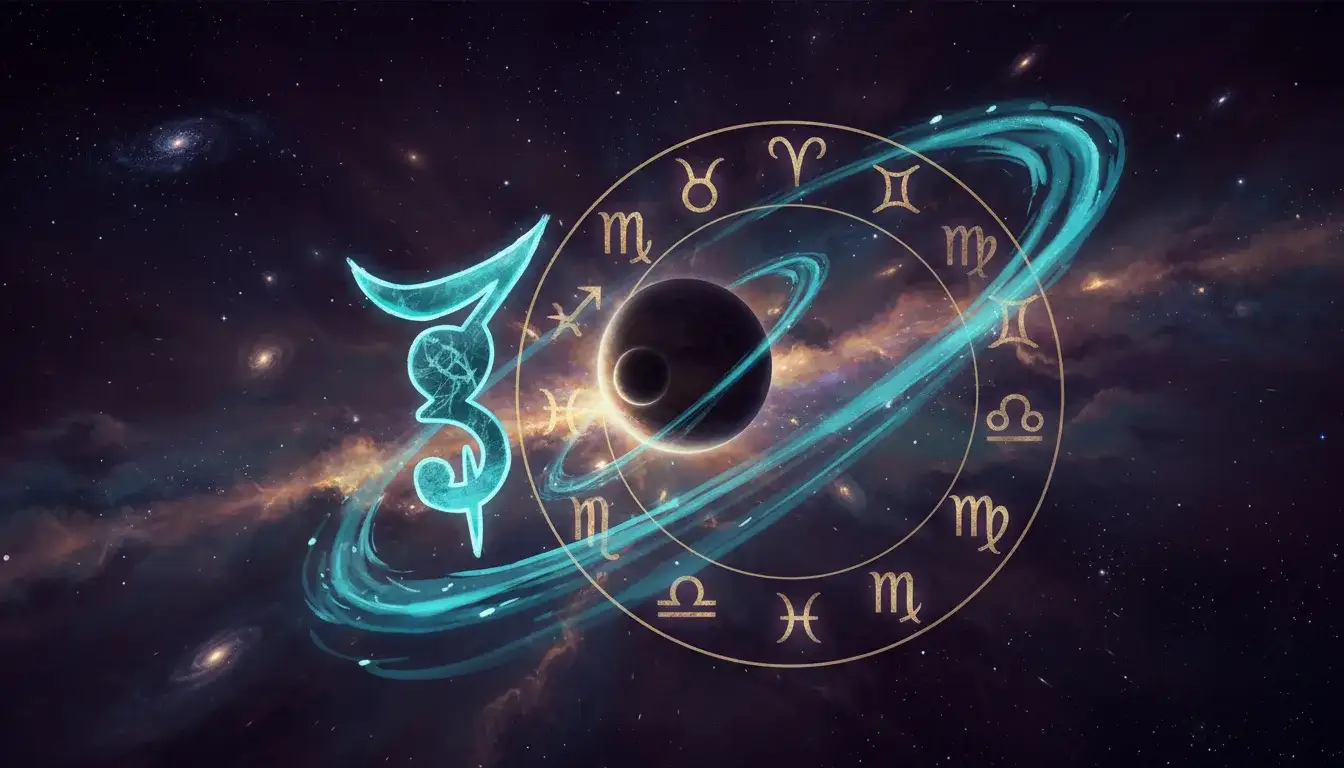
Mercury moves quickly — about 2 to 3 weeks per zodiac sign — so its transits bring short-term shifts in thinking and communication.
Each transit highlights different mental themes:
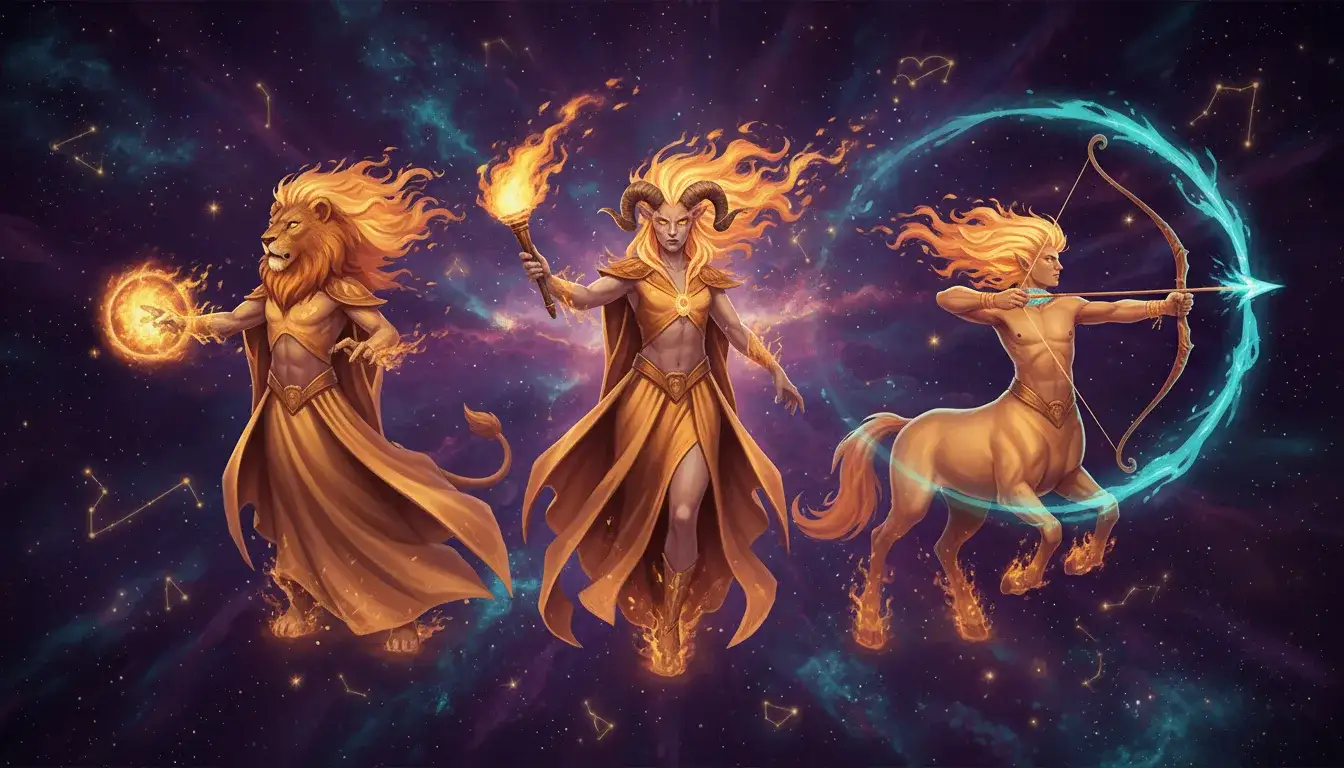
Mercury in Fire signs
Pushes bold ideas
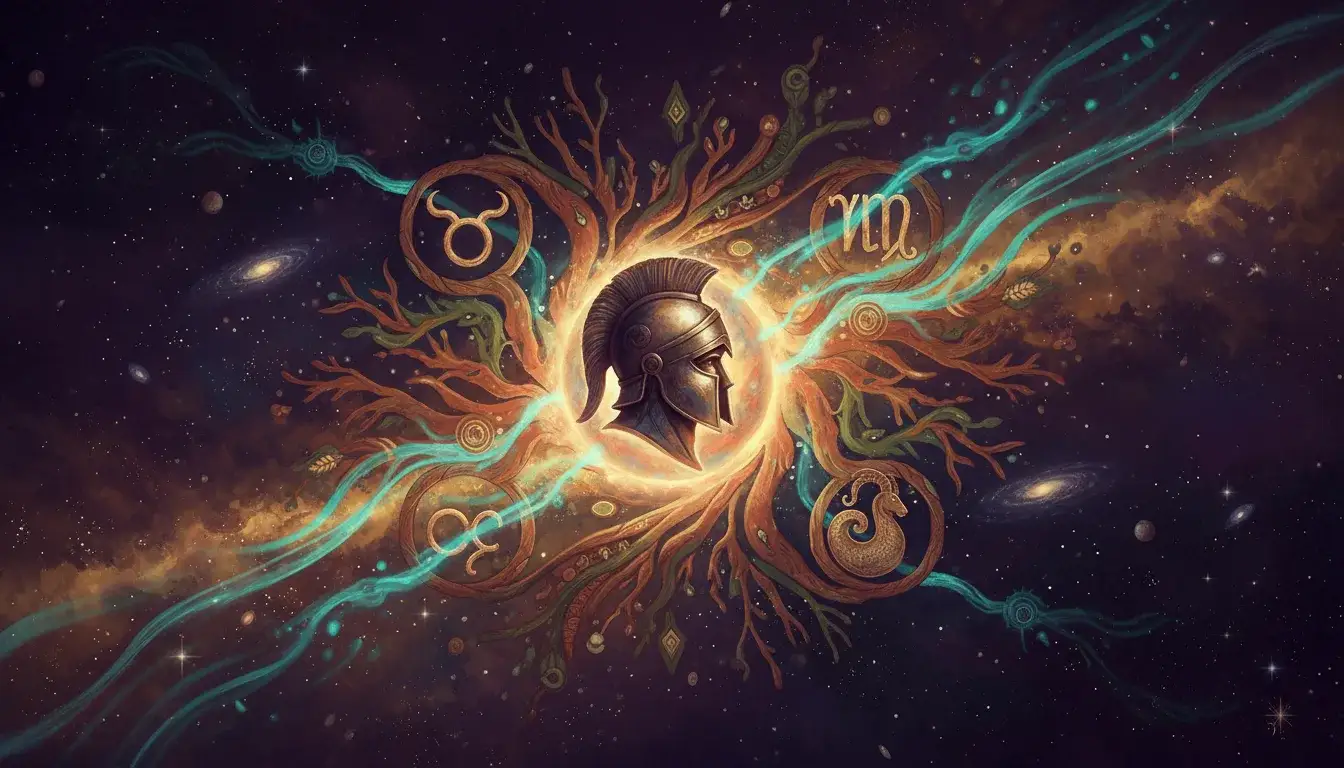
In Earth signs
Brings structured thinking

In Air signs
Enhances objectivity

In Water signs
Deepens emotional insight
Transiting Mercury through natal houses activates those areas of life, making them more mentally active. These periods are ideal for planning, writing, conversations, or studying — as long as retrograde isn’t in play.
Summary: Why Mercury Matters in Astrology
Mercury defines how people think, speak, and relate to ideas. It’s central to learning, problem-solving, expression, and conversation.
Its sign and house show how a person processes reality and connects with others. Retrogrades invite reflection. Transits bring momentary changes. Together, Mercury’s many roles form a vital blueprint for mental and communicative life.