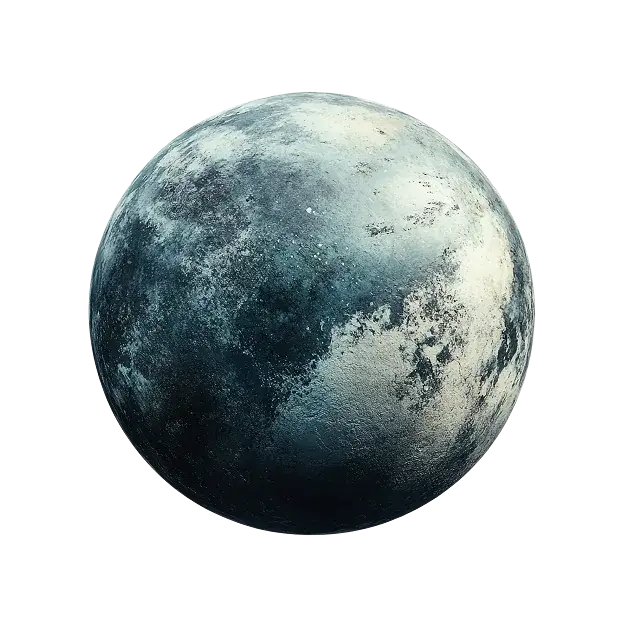
Neptune is the planet that blurs the line between fantasy and reality. In astrology, it’s associated with intuition, compassion, creativity, and mysticism—but also confusion, deception, and escapism.
What is Neptune in Astrology?
Neptune was discovered in 1846 during a period marked by spiritual revival, artistic innovation, and the rise of photography. These historical shifts reflect Neptune’s symbolic role as a planet connected to the unseen, the inspired, and the intangible.
It rules Pisces in modern astrology. This association reinforces its themes of universal love, empathy, and transcendence. Neptune dissolves boundaries and invites people into higher states of awareness, often through imagination, faith, or emotional depth.
With a 165-year orbital period, Neptune’s influence is mostly generational. It stays in each zodiac sign for around 14 years, shaping collective dreams, ideals, and cultural values.
Symbolic Meaning of Neptune in Astrology
Neptune symbolizes what cannot be grasped by the rational mind. It governs spirituality, fantasy, intuition, and surrender. Its presence in a chart points to where illusions can form—and where inspiration flows most freely.
The energy of Neptune is dual in nature. On one hand, it connects with creativity, compassion, divine love, and idealism. On the other, it can lead to confusion, disillusionment, and emotional overwhelm.
It invites people to dissolve ego and merge with something larger. Neptune’s domain includes dreams, psychic sensitivity, imagination, and artistic talent. But it also rules foggy thinking, lies, and the urge to escape through substances or fantasy.
Neptune and the Zodiac Signs
Because Neptune moves slowly, it defines long-term generational patterns. Each Neptune sign reflects a collective ideal or illusion during that era.
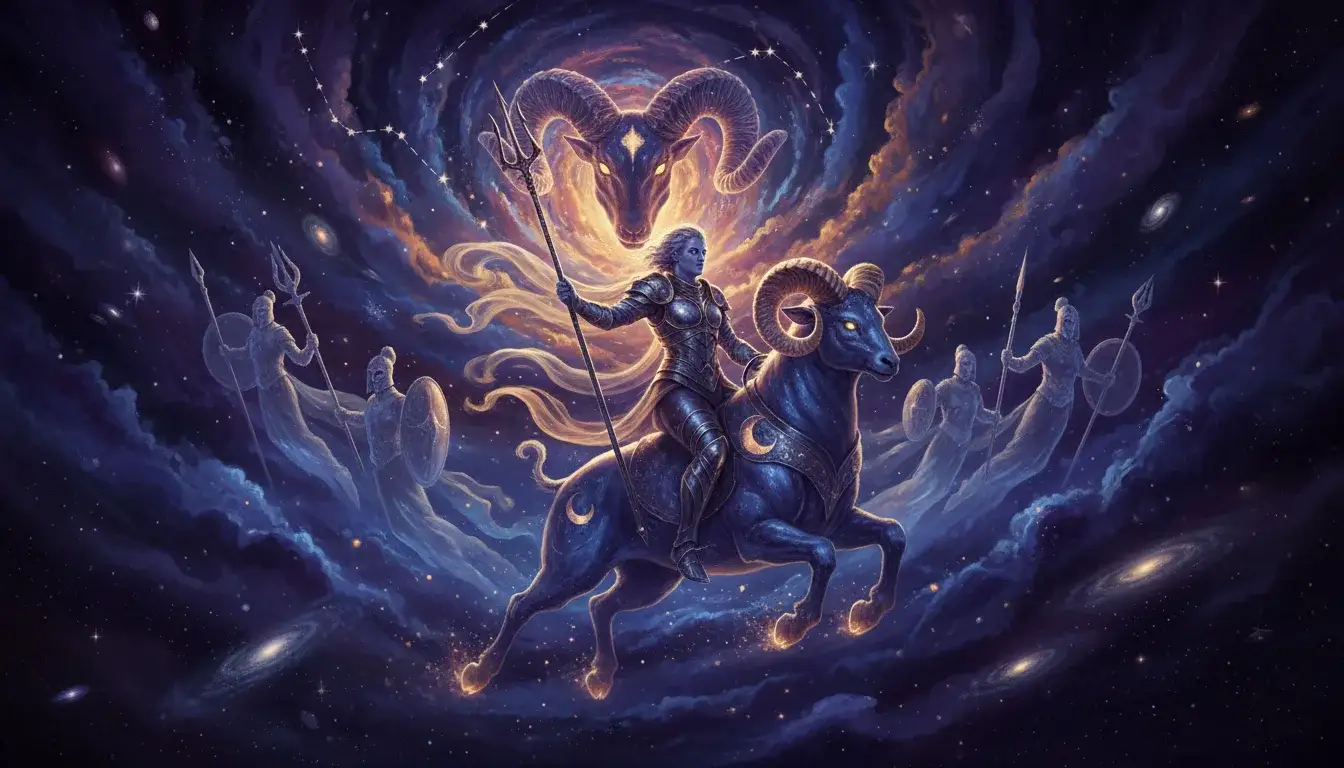
Neptune in Aries
Idealistic pioneers, spiritual warriors
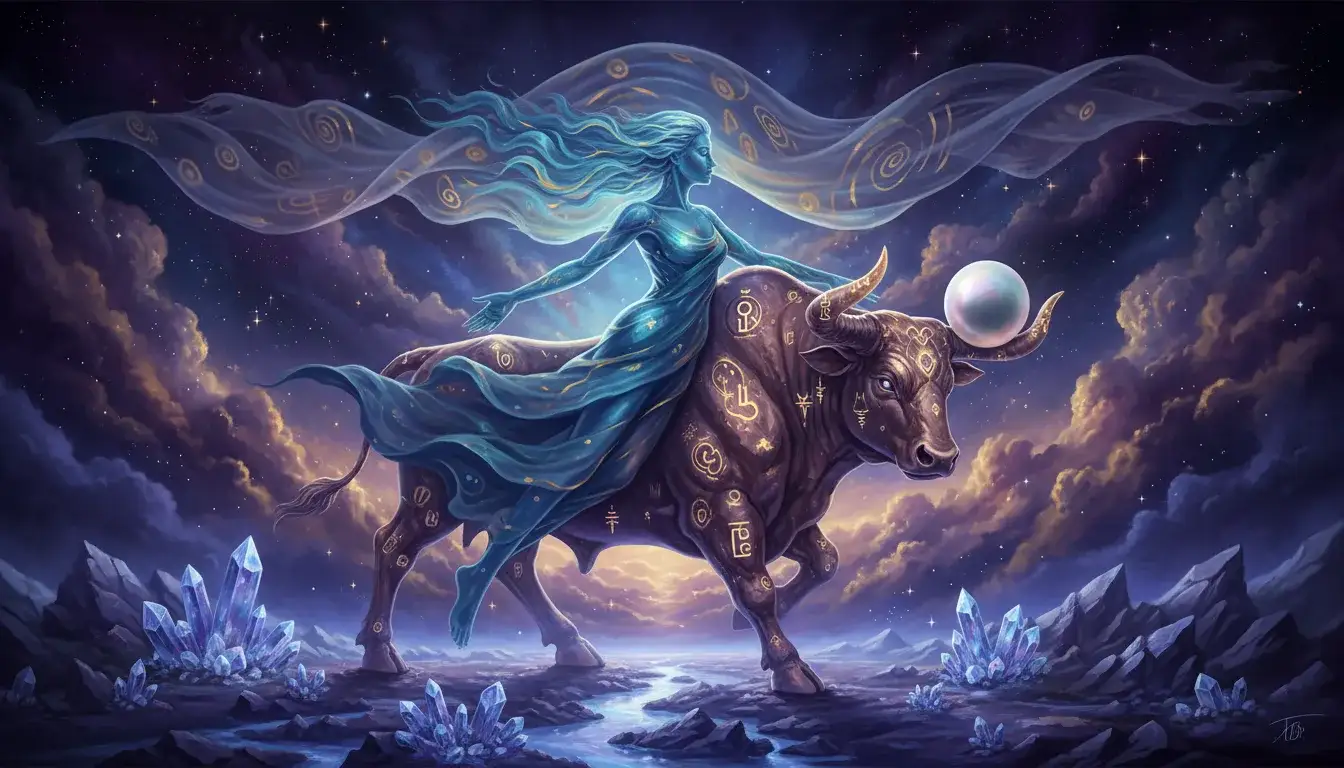
Neptune in Taurus
Material spirituality, aesthetic idealism
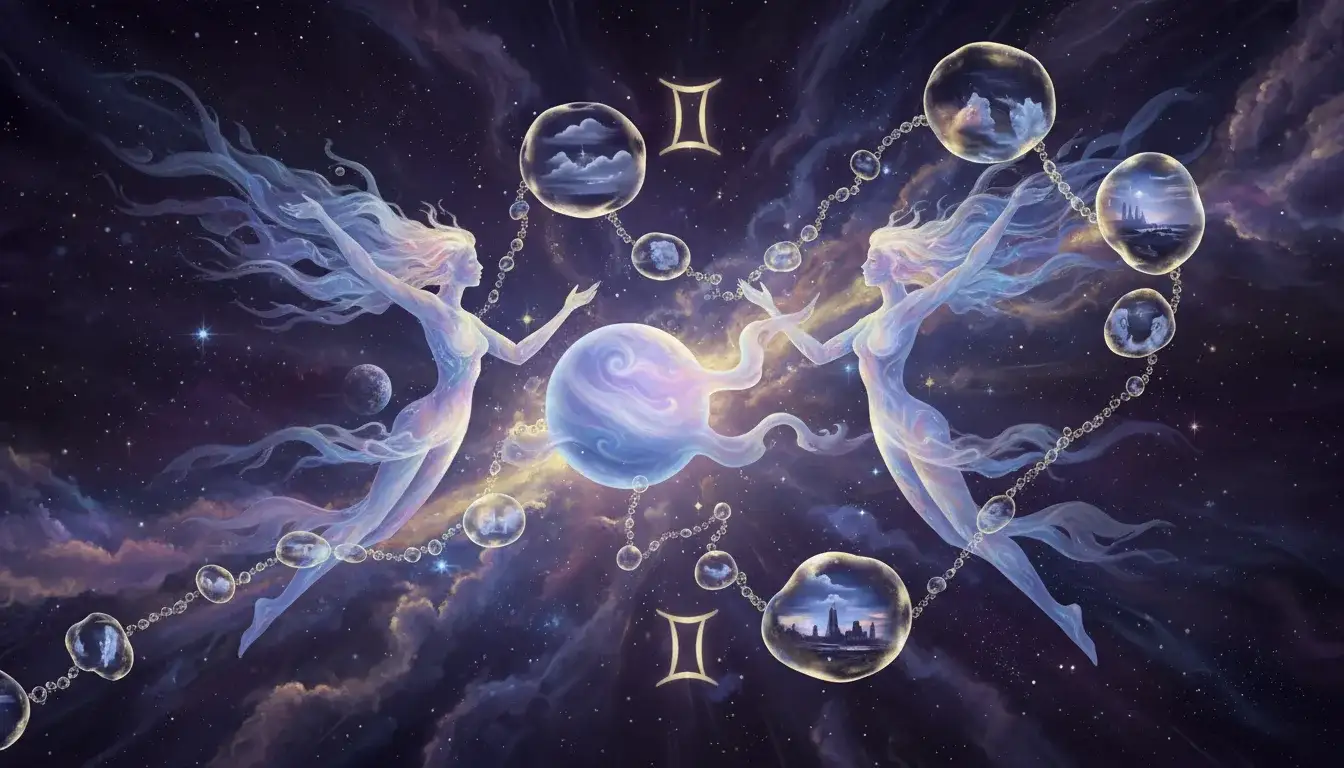
Neptune in Gemini
Dreamy communication, information as illusion
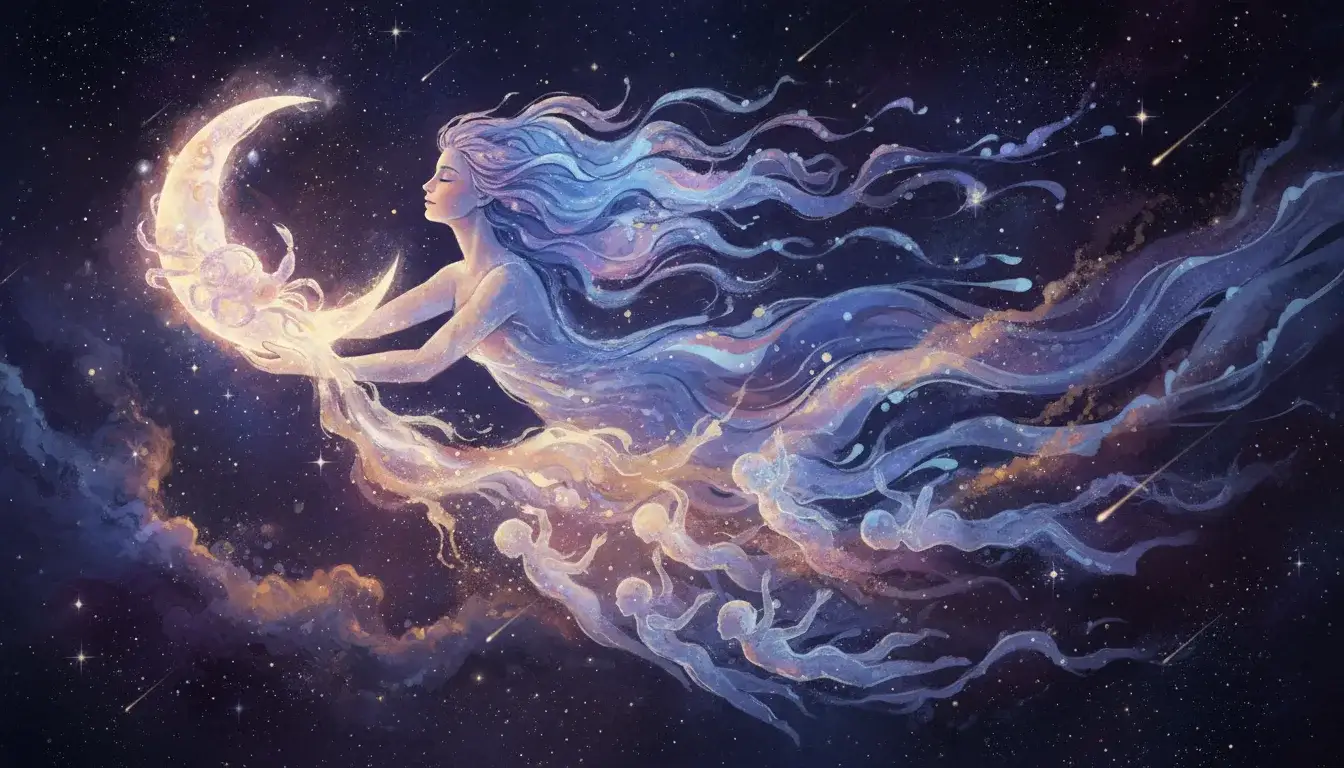
Neptune in Cancer
Emotional dissolution, collective nurturing
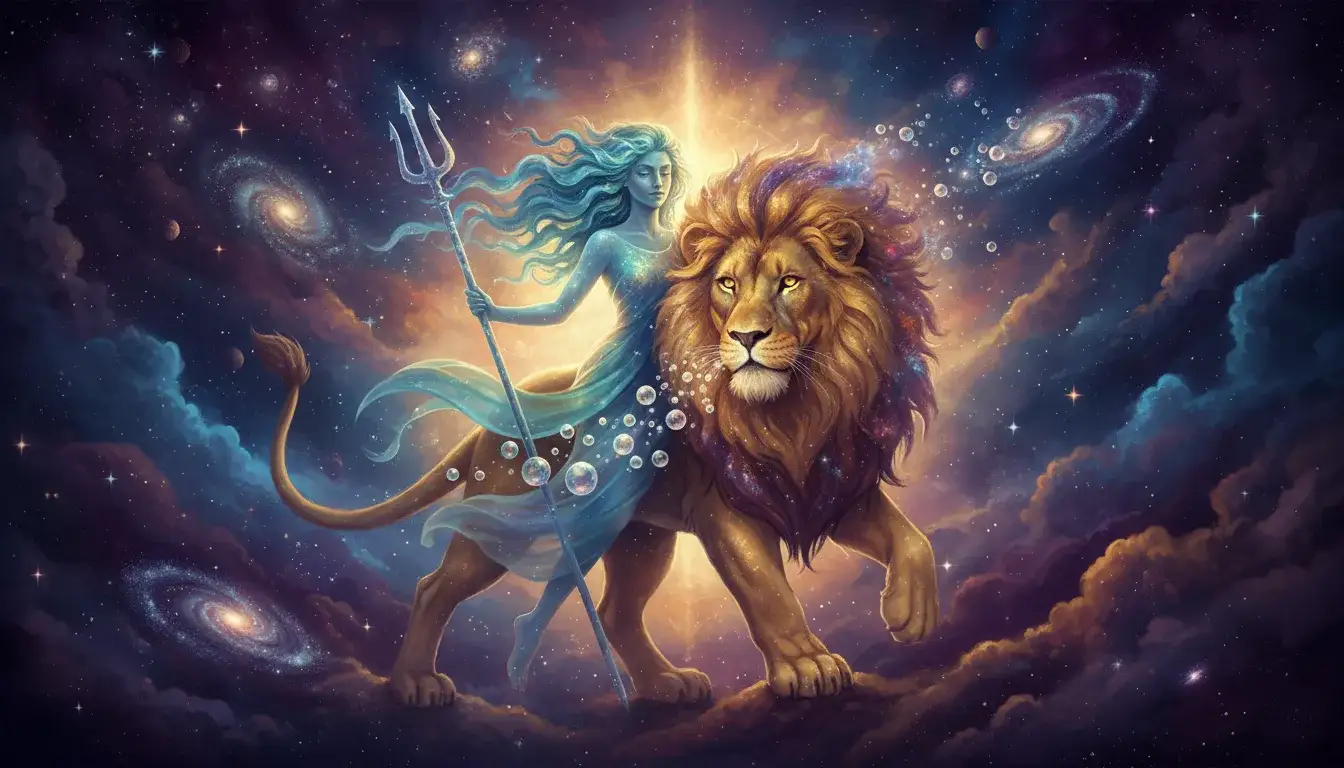
Neptune in Leo
Creative idealism, romantic dreams
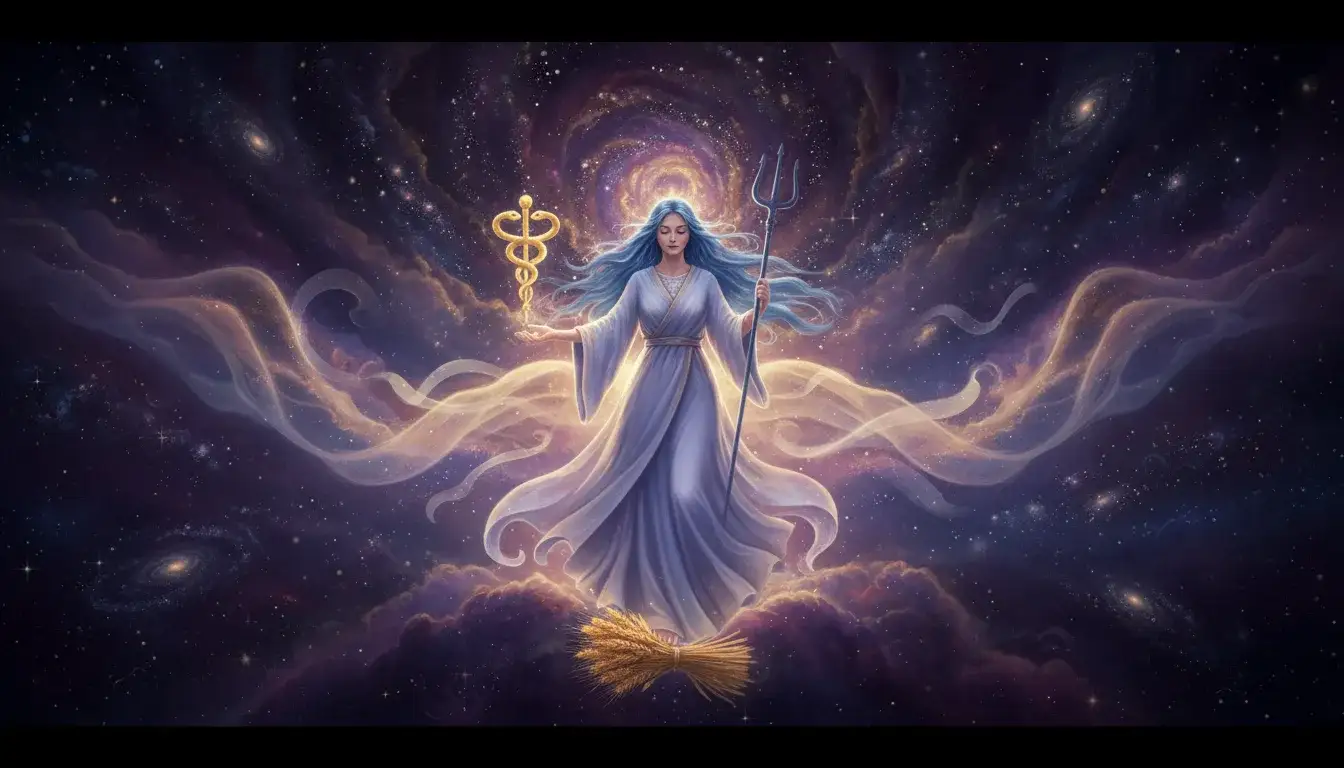
Neptune in Virgo
Service through sacrifice, healing ideals
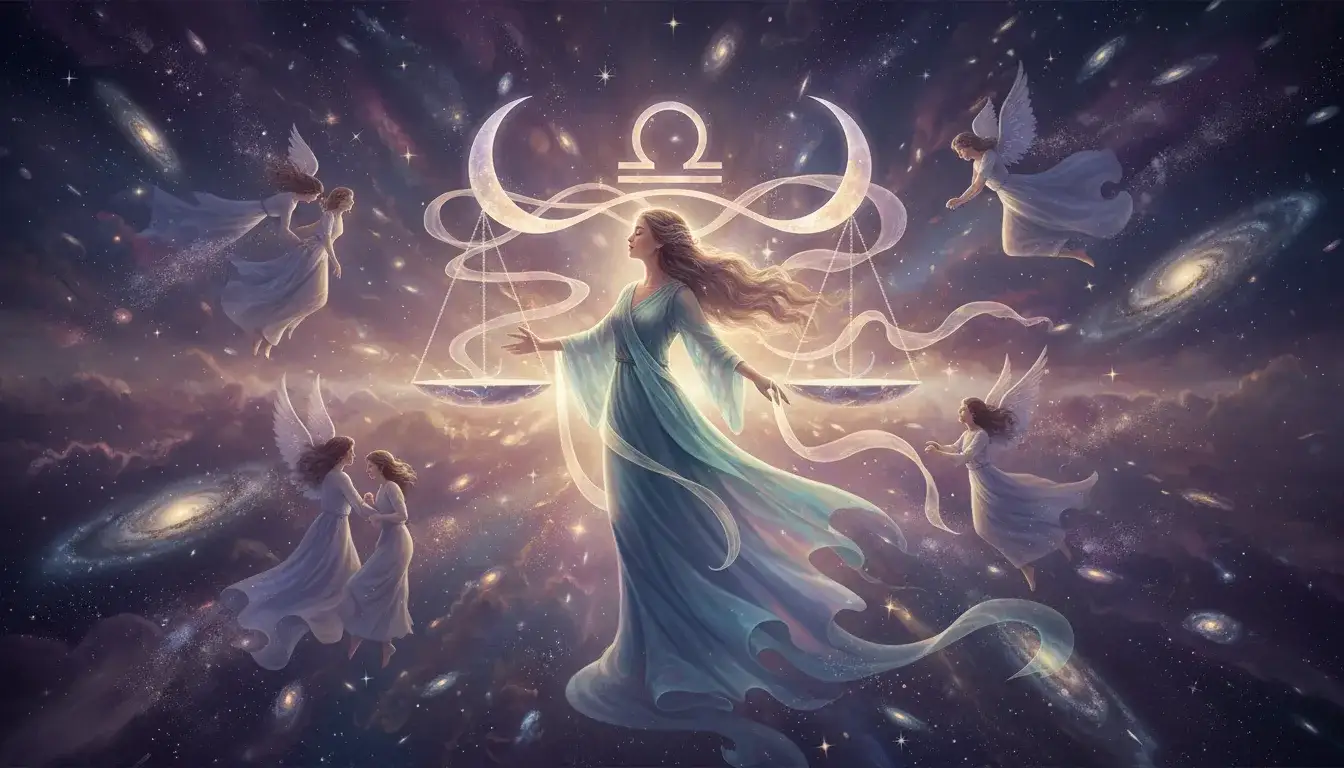
Neptune in Libra
Idealistic relationships, aesthetic transcendence
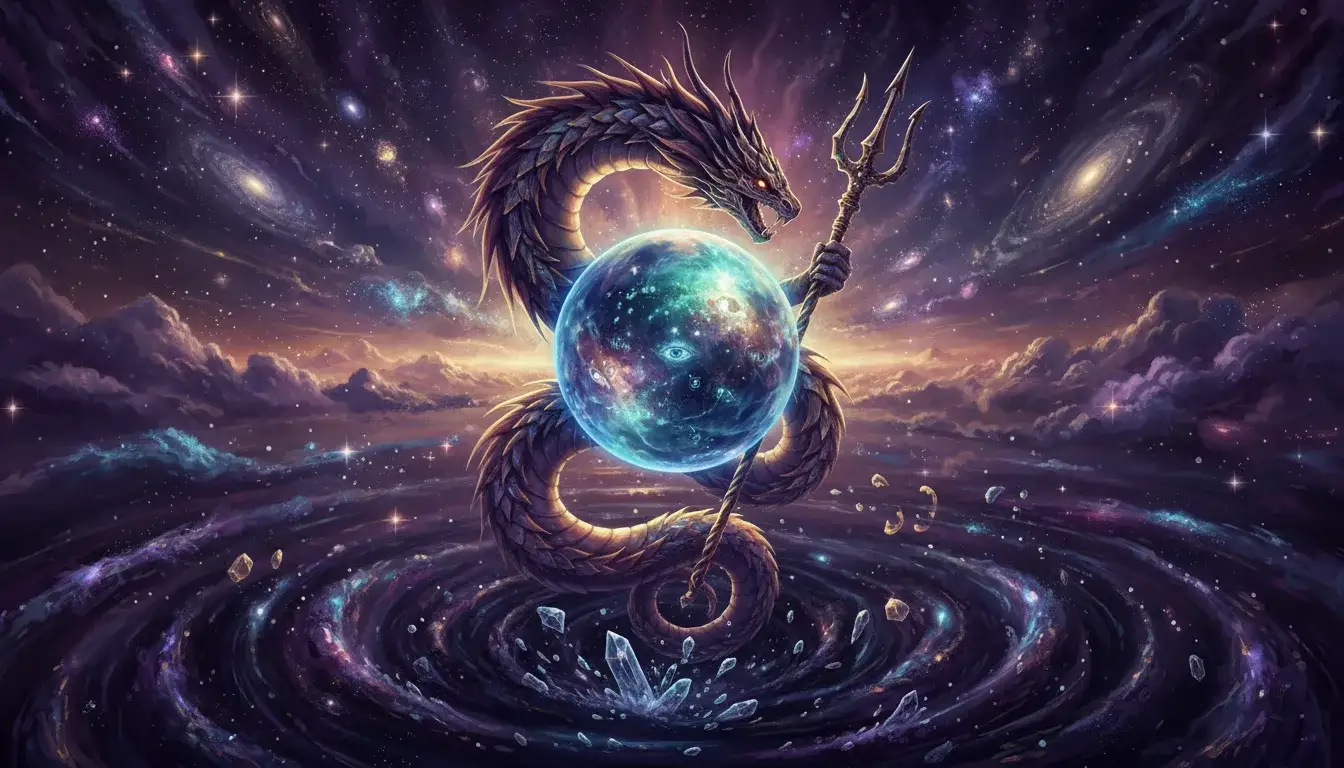
Neptune in Scorpio
Deep transformation, psychic depth
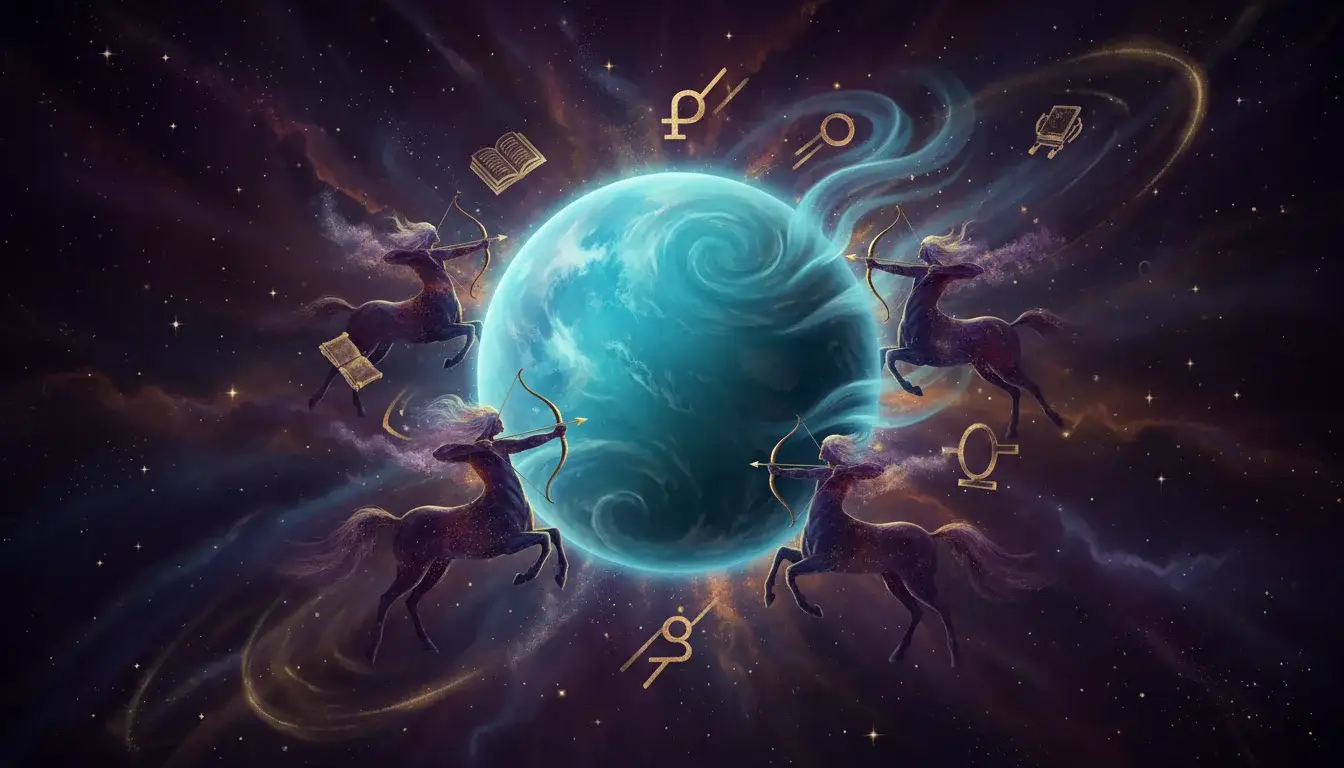
Neptune in Sagittarius
Spiritual quest, philosophical dreams
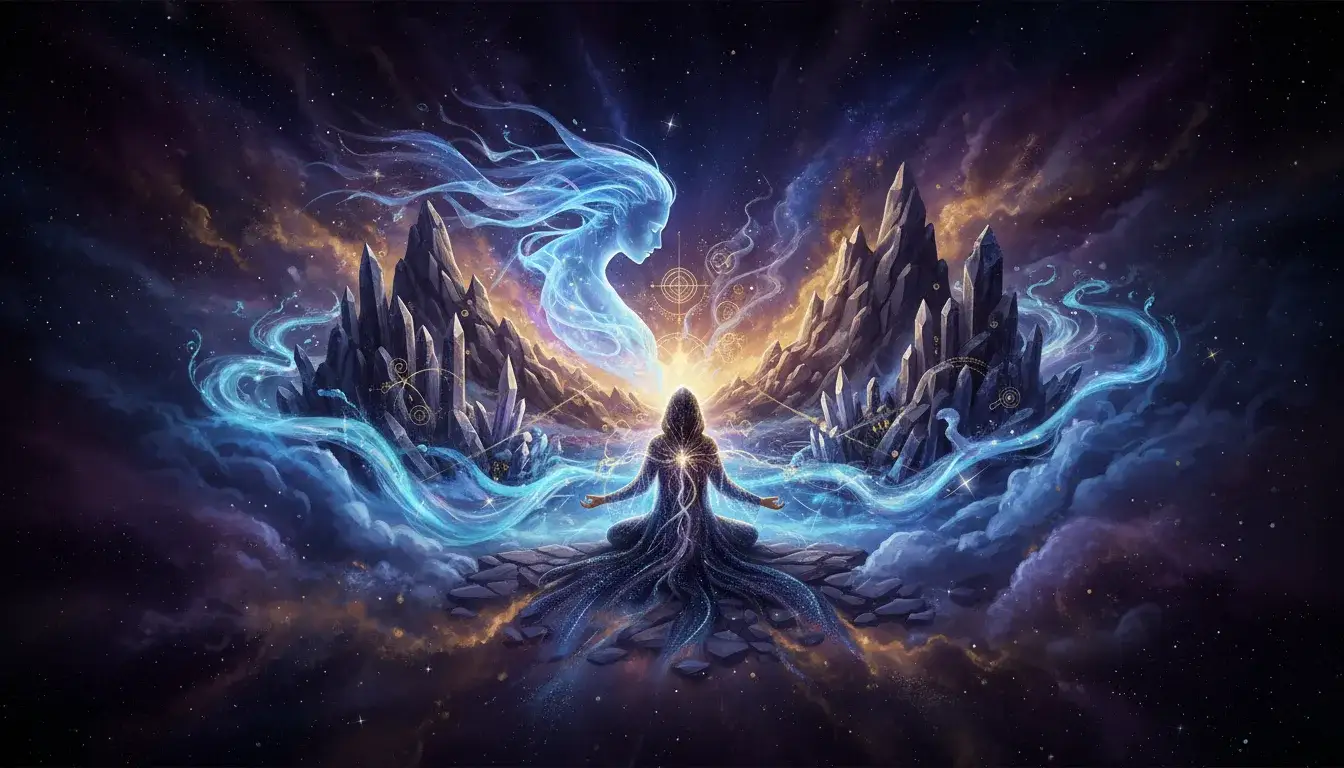
Neptune in Capricorn
Structure meets dissolution, practical spirituality
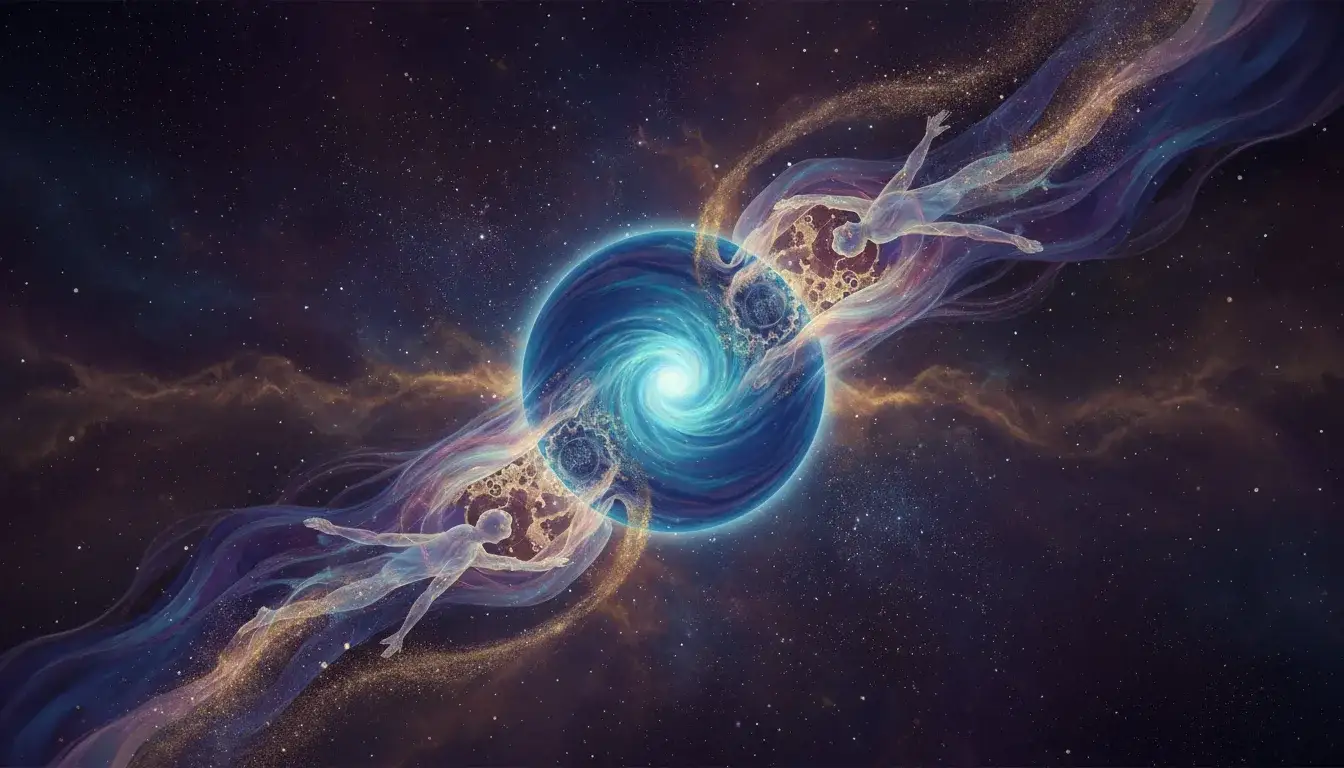
Neptune in Aquarius
Collective idealism, humanitarian dreams
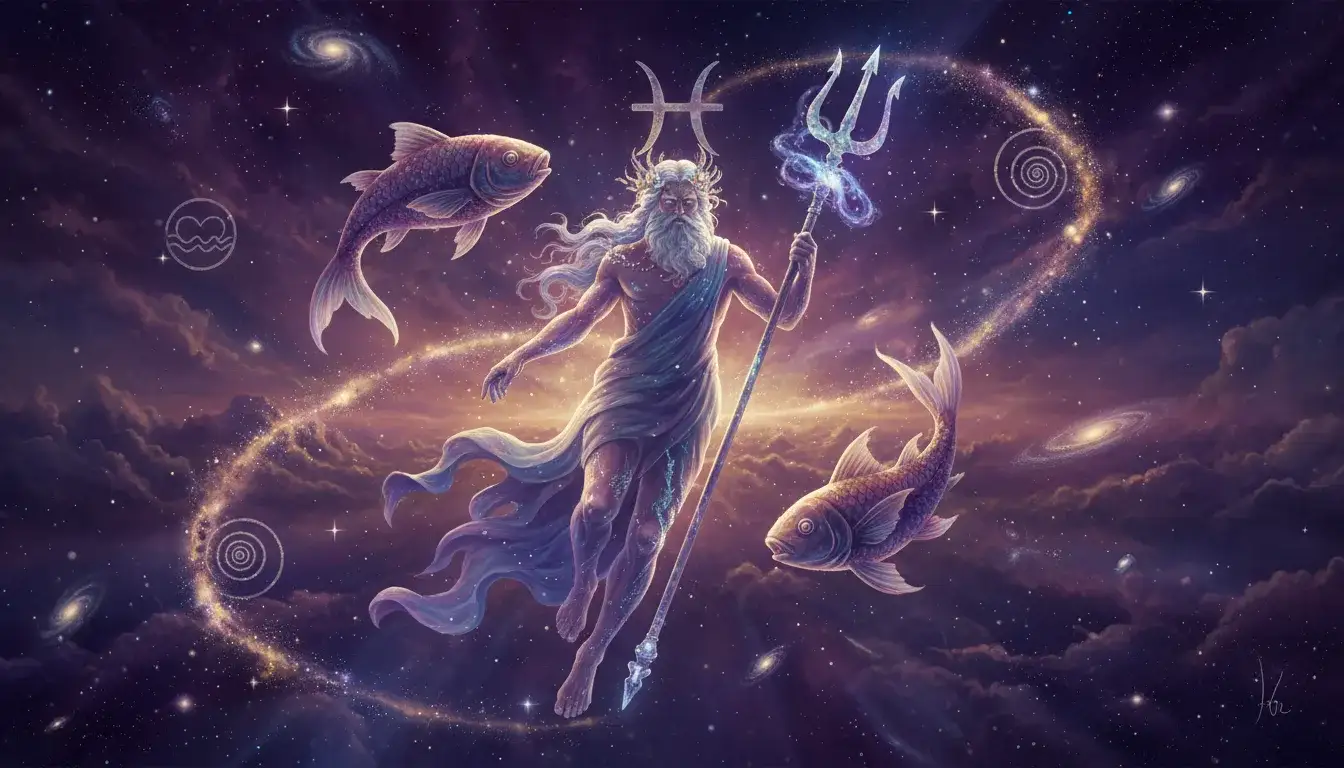
Neptune in Pisces
Natural home: transcendence, compassion, art
Neptune in the Astrological Houses
While Neptune in signs shapes generational ideals, its house placement reflects how and where the Neptunian themes manifest personally.
1st House
Dreamy identity, permeable boundaries
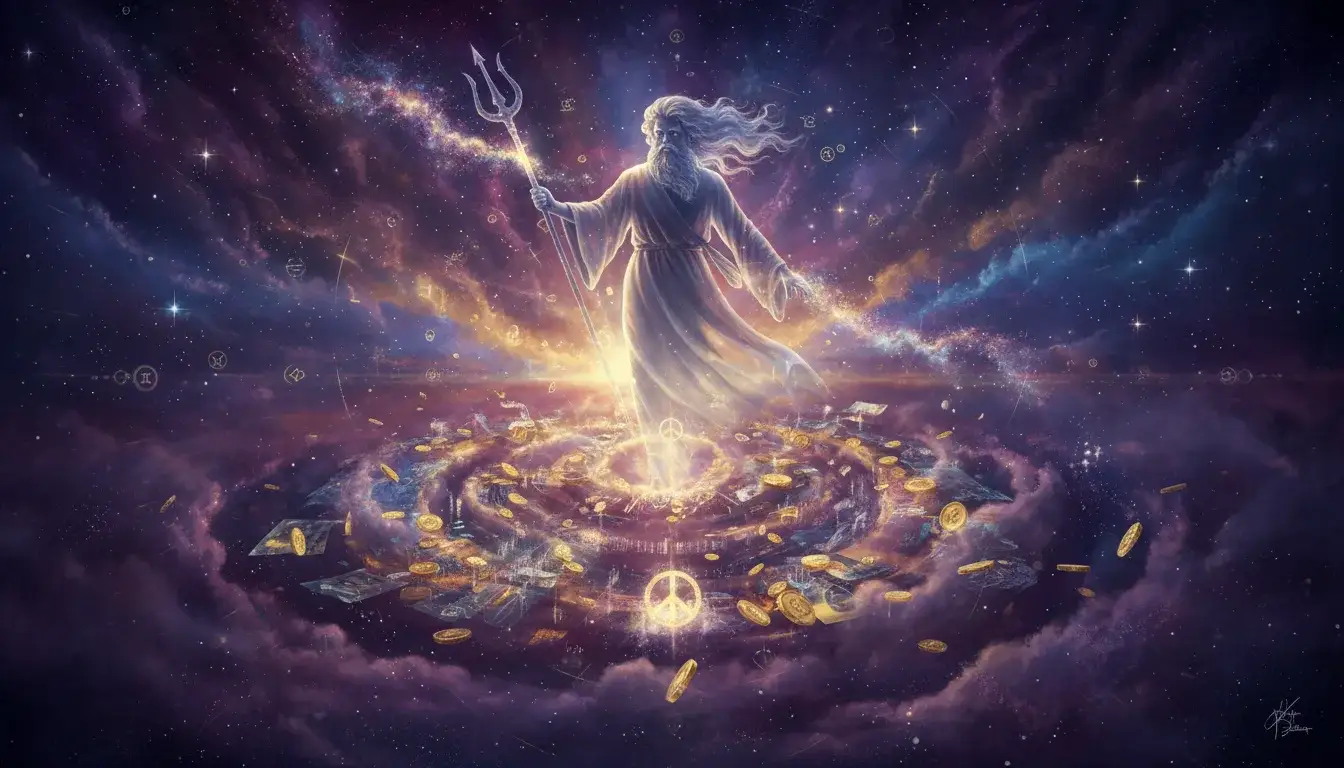
2nd House
Idealistic values, financial confusion
3rd House
Imaginative communication, blurred perception
4th House
Dreamy home, family idealism
5th House
Creative inspiration, romantic illusion
6th House
Healing service, health sensitivity
7th House
Idealistic partnerships, relationship confusion
8th House
Psychic depth, shared transcendence
9th House
Spiritual quest, philosophical dreams
10th House
Idealistic career, public image confusion
11th House
Collective dreams, humanitarian ideals
12th House
Natural home: solitude, unconscious, surrender
Neptune Retrograde Meaning in Astrology
Neptune spends nearly half the year in retrograde motion. During this time, its themes become internalized and subjective.
Retrogrades encourage reflection on spiritual needs and emotional clarity. They can bring awareness to illusions people have been living under, prompting disillusionment or healing.
In natal charts, Neptune retrograde often signals inward mystical focus or a private spiritual world. It may also indicate difficulties distinguishing reality from fantasy.
During transits, Neptune retrograde can cause mental fog or emotional disconnection. But it also enhances dream recall, creative insight, and spiritual growth—especially when people slow down.
Neptune Aspects in the Natal Chart
Neptune aspects show how its energy interacts with other parts of the psyche. Soft aspects bring vision and sensitivity, while hard aspects create tension and potential confusion.
Neptune conjunct Sun
Idealistic identity, blurred self-image
Neptune square Mercury
Confusion in communication
Neptune trine Venus
Artistic compassion, romantic idealism
Neptune Transits and Personal Awakening
Neptune transits mark periods of deep internal change. These are often subtle, dissolving old structures gradually rather than breaking them suddenly.
When Neptune touches the Sun, Moon, or angles, people often feel foggy, lost, or emotionally raw. Yet it’s during these times that intuition, dreams, and creative gifts surge.
Neptune transits require grounding. Without it, people can feel detached or vulnerable to manipulation. But with awareness, they unlock spiritual insight and artistic flow.
Each Neptune transit points to a part of life where clarity dissolves and a new kind of vision starts to emerge.
Neptune in Synastry and Relationships
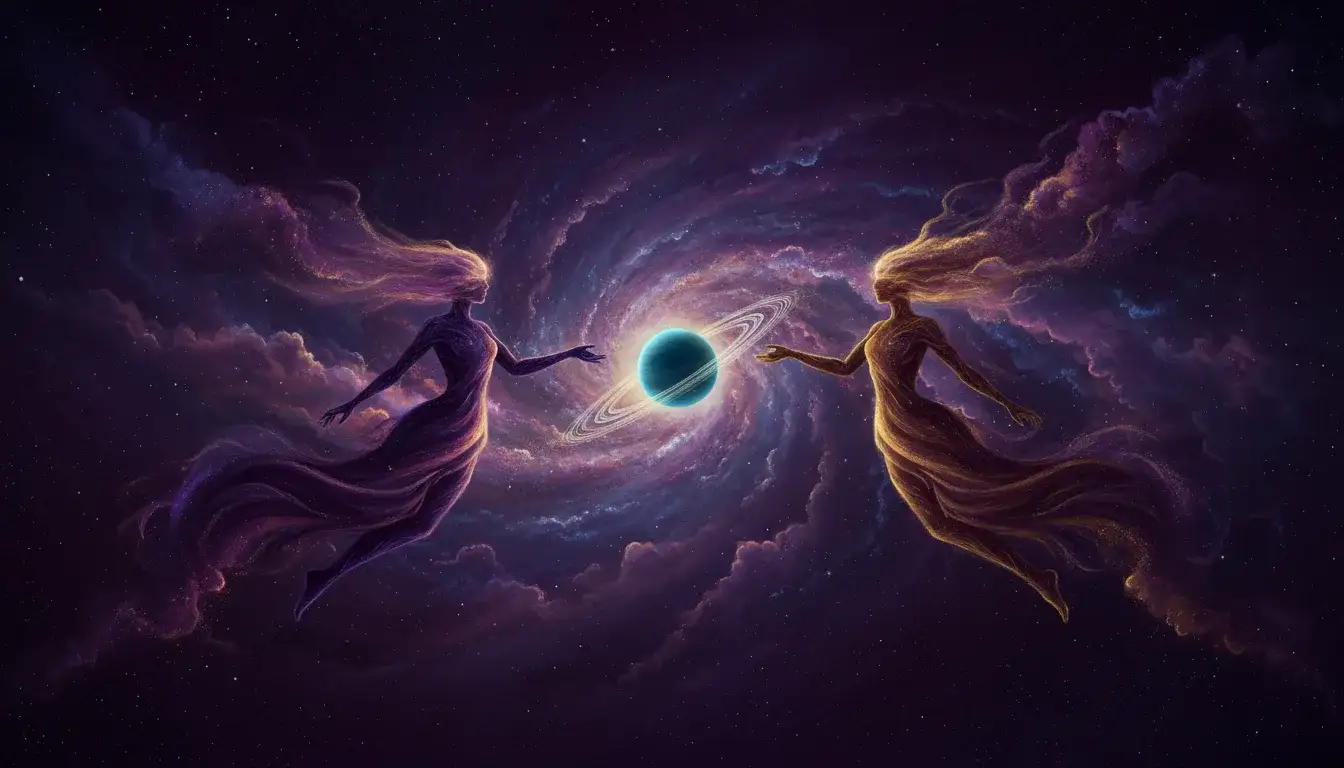
When Neptune appears prominently in synastry, the connection can feel cosmic, intuitive, or fated. There’s often a deep sense of soul recognition.
However, this energy can distort perception. One partner may idealize the other or avoid facing relationship realities.
Neptune-Venus or Neptune-Moon aspects intensify romantic feelings. But they can also create illusions or foster codependent dynamics.
To maintain harmony, both people need clear boundaries and honest dialogue. Otherwise, the connection may be built more on fantasy than truth.
Neptune in Pisces: Full Expression of the Planet
Since 2011, Neptune has been in Pisces—its home sign. This amplifies themes of compassion, spirituality, and artistic revival.
Collectively, this cycle has brought:
This transit continues through 2026. Its end signals a shift from passive emotionality to assertive spiritual action when Neptune moves into Aries.
Shadow Side of Neptune in Astrology
Every planet has a dark side. With Neptune, the main dangers are illusion and escapism.
People can lose themselves in fantasy, addiction, or emotional avoidance. They may fall into victim-savior roles or confuse love with sacrifice.
Neptune’s shadows also include deception—self-deception or being misled by others. Lack of boundaries is common, especially in relationships or spiritual settings.
Awareness, grounding, and clear intention help integrate Neptune’s higher potential without getting lost in fog.
Neptune and the Collective Consciousness
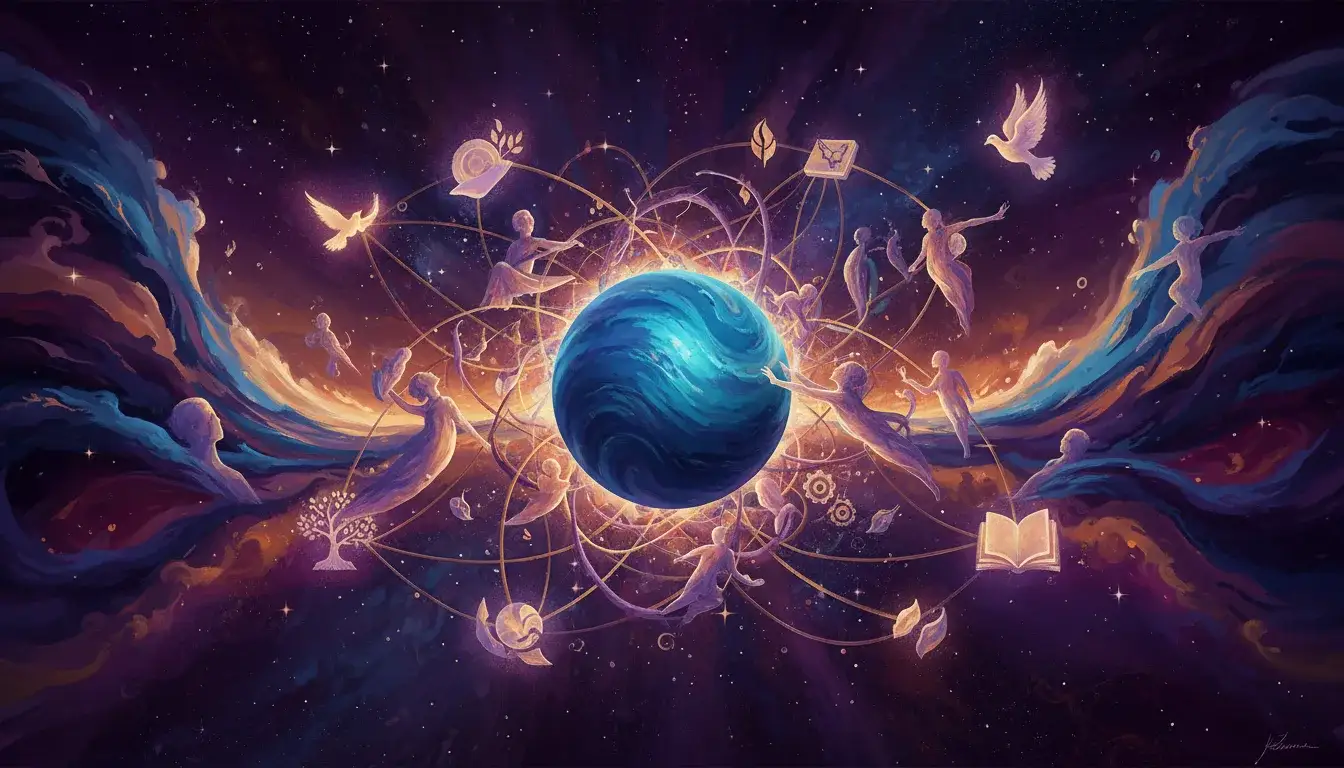
Neptune’s movement shapes global dreams and ideals. Each transit through a sign redefines what society values on a spiritual or emotional level.
When Neptune aligns with Pluto or Uranus, cultural revolutions often occur. Examples include shifts in art, media, and collective belief systems.
Neptune’s 2026 entrance into Aries may begin a new cycle of spiritual independence and visionary activism.
Working with Neptunian Energy
To work with Neptune, embrace intuition and creativity while staying anchored in reality.
Helpful practices include:
Neptune rewards surrender, but not blindness. Its energy teaches how to dream without losing touch with what’s real.
Conclusion: Why Neptune Matters in Astrology
Neptune holds the key to deeper meaning and spiritual evolution. It reveals what lies beyond logic—through art, dreams, love, and faith.
Understanding Neptune means learning to navigate illusion without losing clarity. In doing so, people open the door to healing, creativity, and transcendent connection.