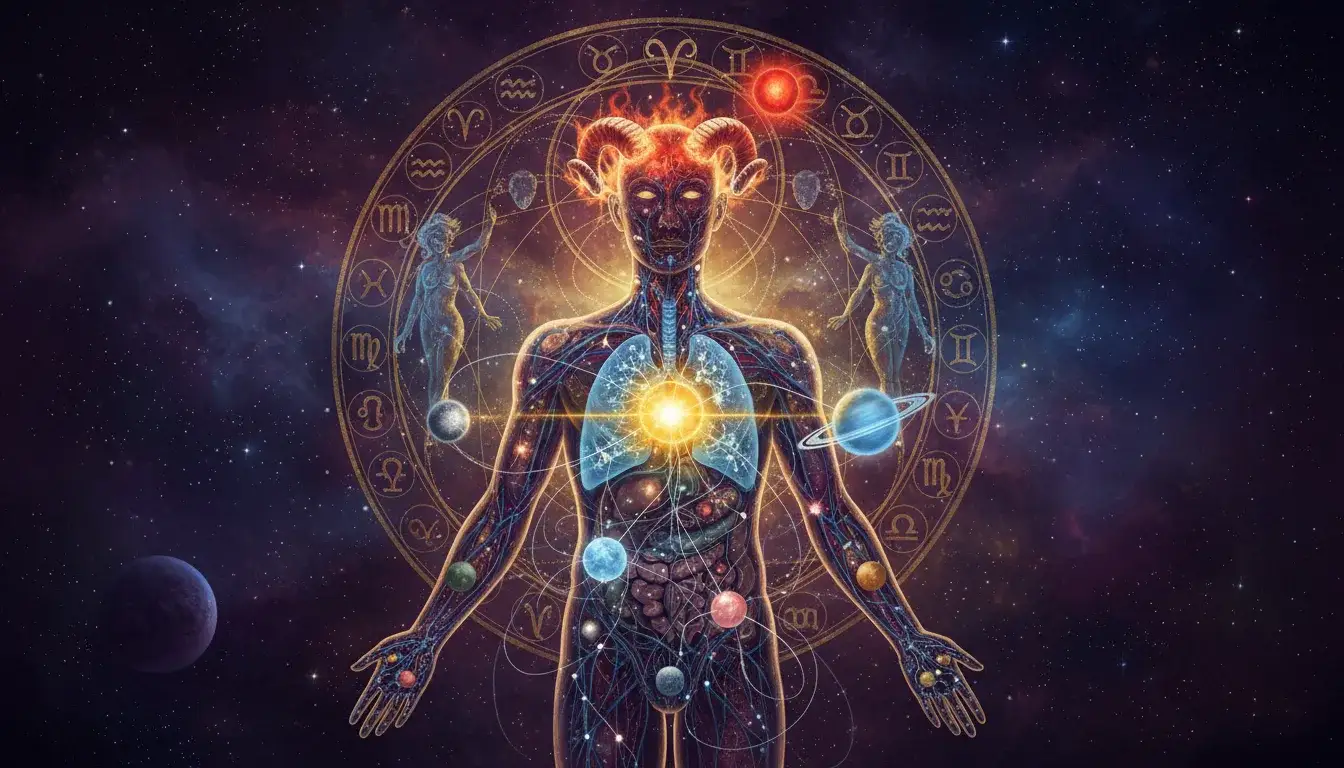
Medical astrology links stars and health. It connects birth charts to body patterns.
Astrologers don't diagnose. They look at patterns that may affect health over time.
What Is Medical Astrology?
A birth chart can show body strengths and weak spots. Each planet, sign, and house links to body parts and functions.
Origins and History

Ancient Roots
Medical astrology started in Babylon and Egypt. Greek doctors like Hippocrates mixed astrology with old body theories.
In India, early texts linked planets to body types and when illness might strike.
Medieval Times
In the Middle Ages, doctors learned astrology in school. They used moon phases to plan surgery and bloodletting.
Later Decline
By the 1700s, science pushed astrology aside. Today it lives on in holistic and spiritual practice.
How It Works

Birth Chart as Health Map
A chart shows health patterns from planet positions. Astrologers focus on the Ascendant and 6th house.
Challenging planets or tense aspects may point to weak spots or long-term issues.
Key Planets

Sun
General vitality, heart, spine
Moon
Fluids, digestion, reproductive cycle
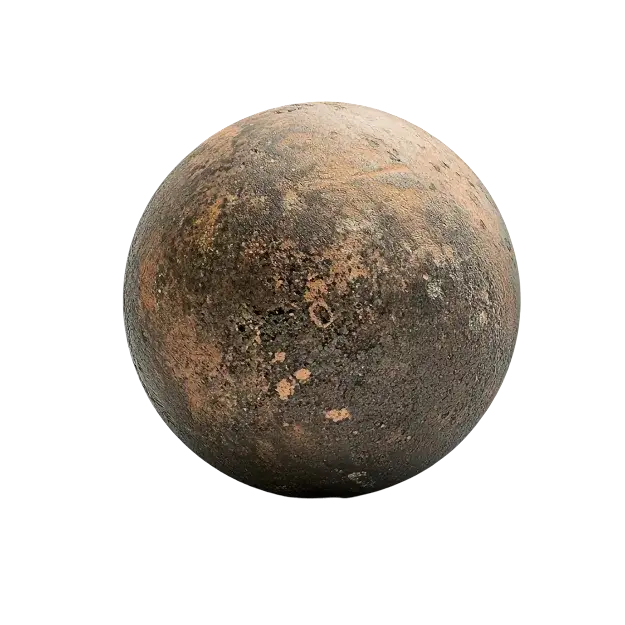
Mercury
Lungs, nerves, hands

Venus
Kidneys, throat, skin

Mars
Muscles, adrenal glands, fevers
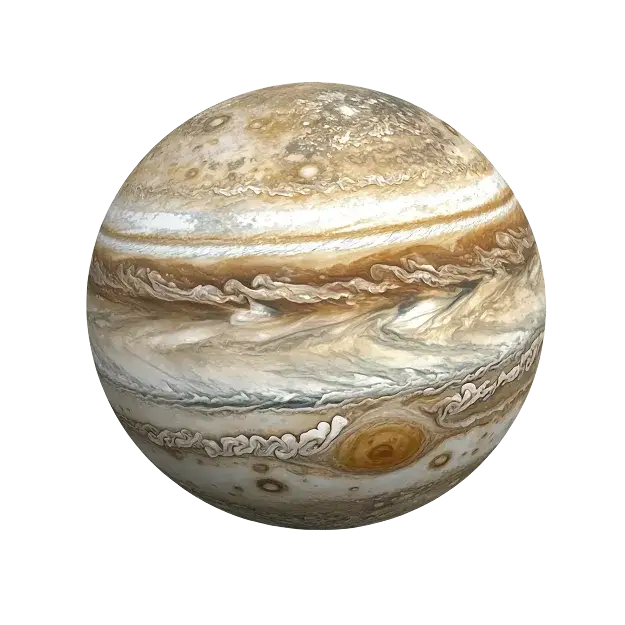
Jupiter
Liver, growth, circulation
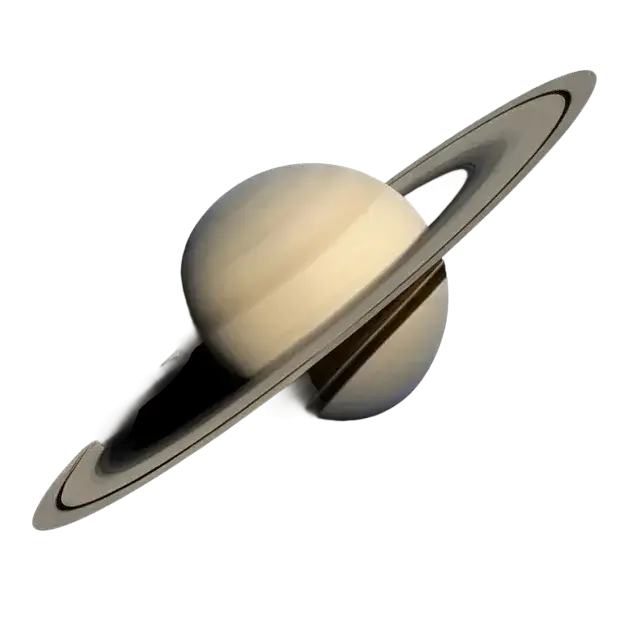
Saturn
Bones, teeth, chronic limitations
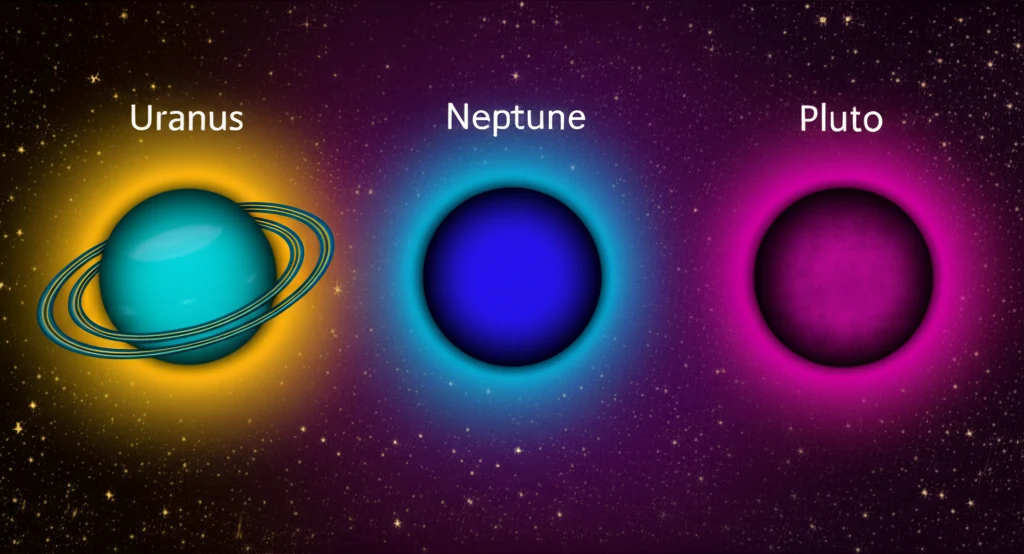
Uranus, Neptune, Pluto
Psychological and karmic imprints
Each planet affects how your body works and feels.
Transits and Health
Astrologers check transits for stress or healing times. Saturn returns and eclipses matter.
Progressions and solar returns show long-term health phases.
Zodiac Signs and Body Parts
Each sign rules body parts from head to feet:

Aries
Head, face, brain

Taurus
Neck, throat, thyroid

Gemini
Arms, shoulders, lungs

Cancer
Chest, stomach, breasts

Leo
Heart, spine, upper back

Virgo
Intestines, digestive tract

Libra
Kidneys, lower back, skin balance

Scorpio
Reproductive organs, elimination

Sagittarius
Hips, thighs, liver

Capricorn
Knees, bones, skin

Aquarius
Calves, ankles, circulation

Pisces
Feet, lymphatic system, immune system
These links are symbolic. They show energy flow through the body.
Houses and Health
Astrologers check planets in these houses. Patterns here show what to watch.
Elements and Modalities
Four Elements

Fire (Aries, Leo, Sagittarius)
Heat, inflammation, high metabolism

Earth (Taurus, Virgo, Capricorn)
Heaviness, congestion, slow digestion

Air (Gemini, Libra, Aquarius)
Nervous tension, anxiety, irregular rhythms

Water (Cancer, Scorpio, Pisces)
Fluid retention, emotional sensitivity, detox challenges

Cardinal
Prone to acute conditions, high physical response

Fixed
Resistant to change, prone to chronic conditions

Mutable
Variable symptoms, sensitive to stress and environment
Element balance in a chart hints at health balance.
Three Modalities
This helps astrologers track patterns over time.
Using It in Practice
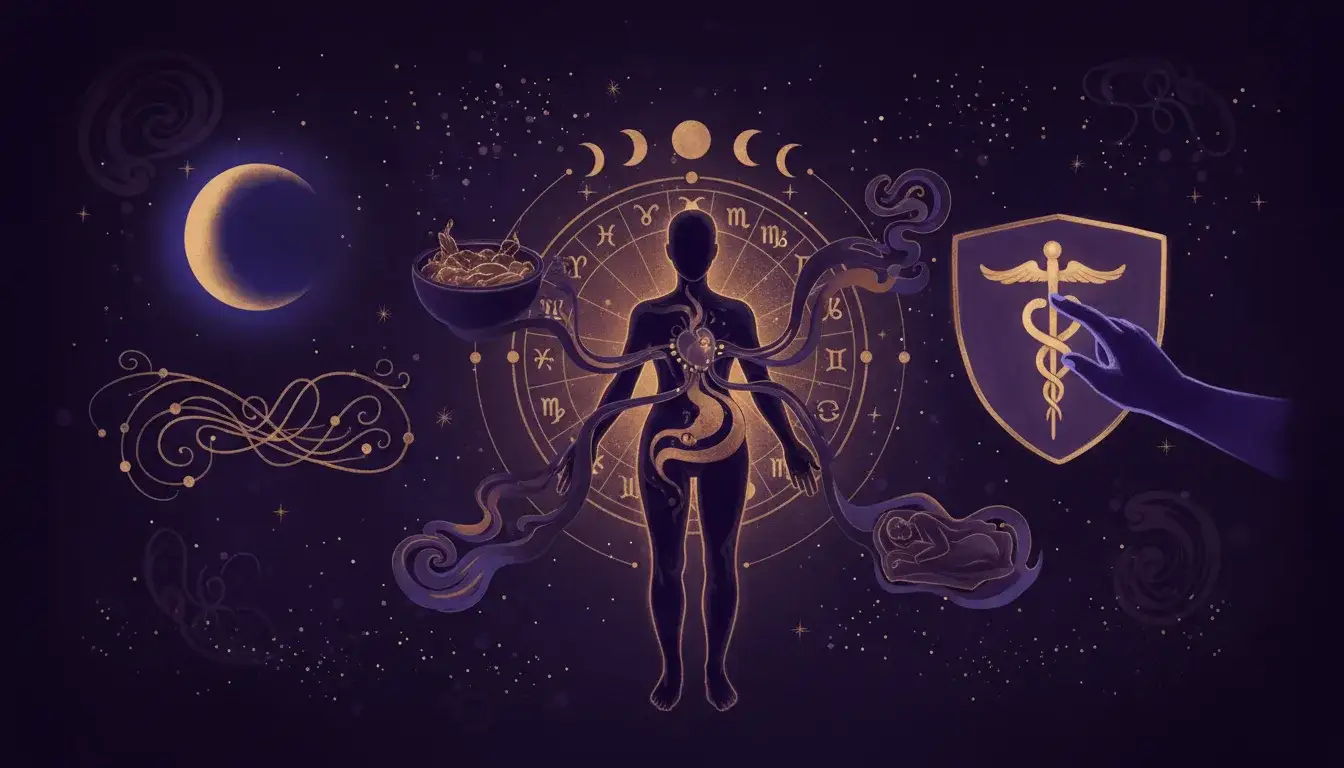
Insight, Not Diagnosis
Medical astrology is not a substitute for doctors. It shows tendencies and when stress may peak.
People may adjust diet, stress, or habits based on their chart.
Timing Treatments
Some pick surgery or treatment dates by moon phase. They may skip big decisions during Mercury retrograde or eclipses.
Others watch Mars cycles for inflammation or energy.
Ethics
Astrologers must set limits. They should not give medical advice without a license.
Use medical astrology with — not instead of — real health care.
Modern Use
Medical astrology fits into holistic health. Some naturopaths and healers use charts with clients.
In wellness, it helps with lifestyle choices and when to rest or move.
Science and Criticism
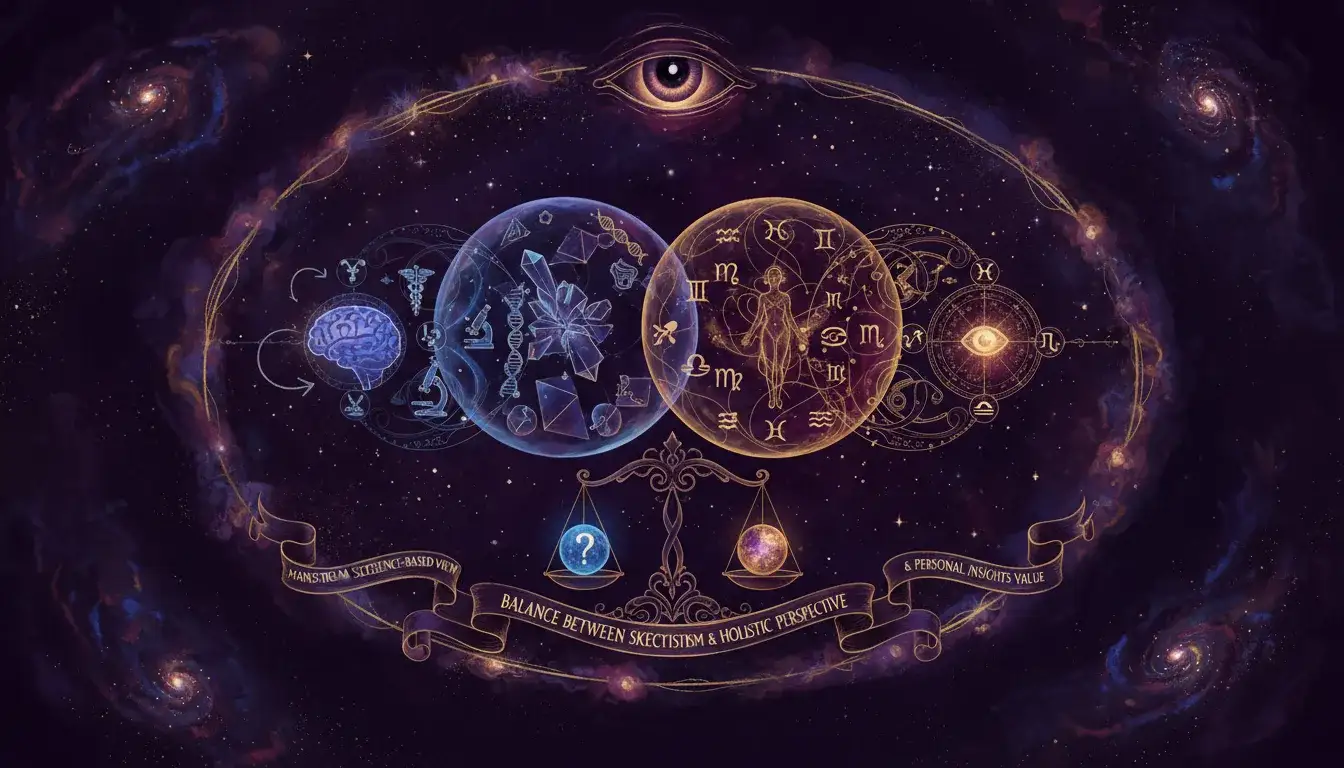
Science does not support astrology. No studies prove it works.
Still, many find value in its symbols and personal meaning.
Conclusion
Medical astrology offers a way to think about health through symbols. It's not medicine. It can support reflection and self-care.
The birth chart becomes a personal map of rhythms and tendencies.