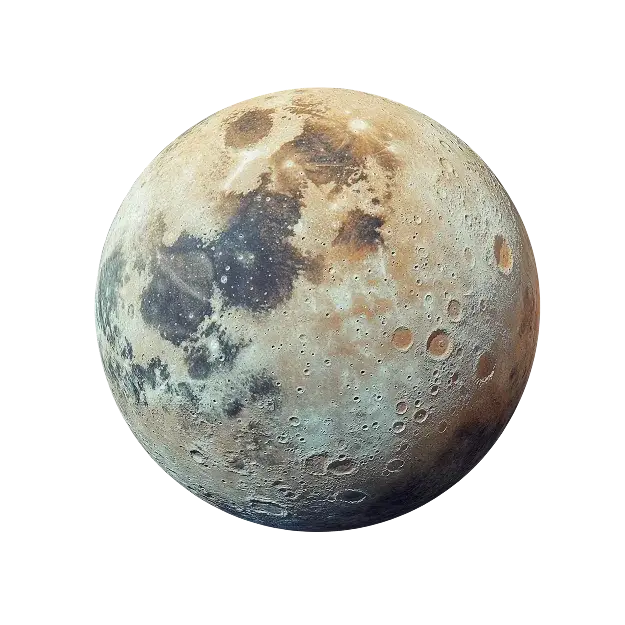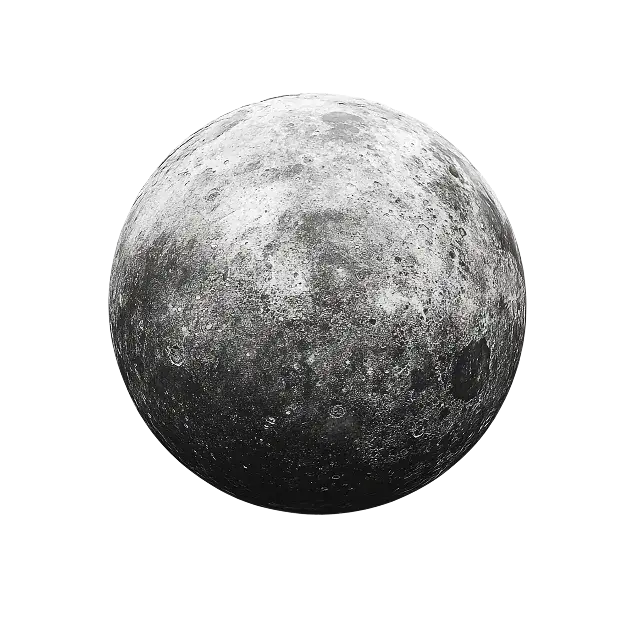
The Moon holds deep symbolic meaning in astrology. It governs emotions, instincts, and subconscious reactions.
What the Moon Represents in Astrology
The Moon reflects how someone feels rather than how they act. It shapes comfort zones, inner needs, and emotional triggers. This placement reveals how people nurture themselves and respond to others. It also relates to personal rhythms, cycles, and habits formed in early life.
In astrology, the Moon is seen as a feminine force. It's connected to the mother, caretaking patterns, and receptivity. Lunar energy influences how people retreat, protect themselves, and process emotional information. It also guides intuition and how one expresses care.
The Moon vs The Sun in the Birth Chart
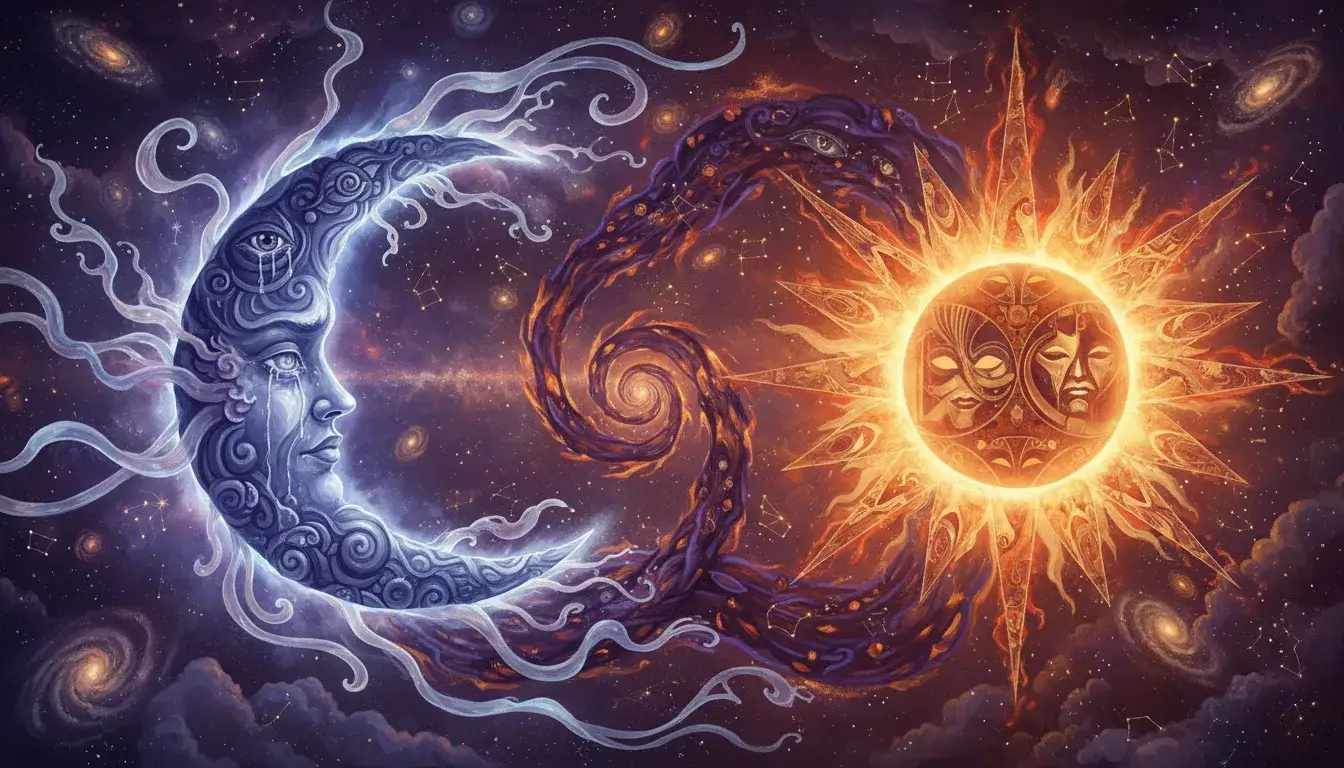
The Sun shows identity and conscious goals. The Moon reveals the emotional foundation underneath that identity.
When the Sun and Moon are in harmony, there's alignment between outward expression and inner need. When they're in tension, a person might feel emotionally disconnected from their direction.
The Moon reflects personal truth that may remain hidden from others. It affects how people react instinctively, not how they plan or strategize.
The Moon in the Zodiac Signs
Each zodiac sign gives the Moon a different emotional tone. These placements color how feelings are expressed and how someone seeks emotional safety.
Moon in Aries
Fast emotional reactions, frustration with delay, desire for independence
Moon in Taurus
Craves peace, consistency, touch, and material security
Moon in Gemini
Emotionally curious, talks through feelings, avoids emotional stagnation
Moon in Cancer
Deeply protective, needs closeness, intuitive and private
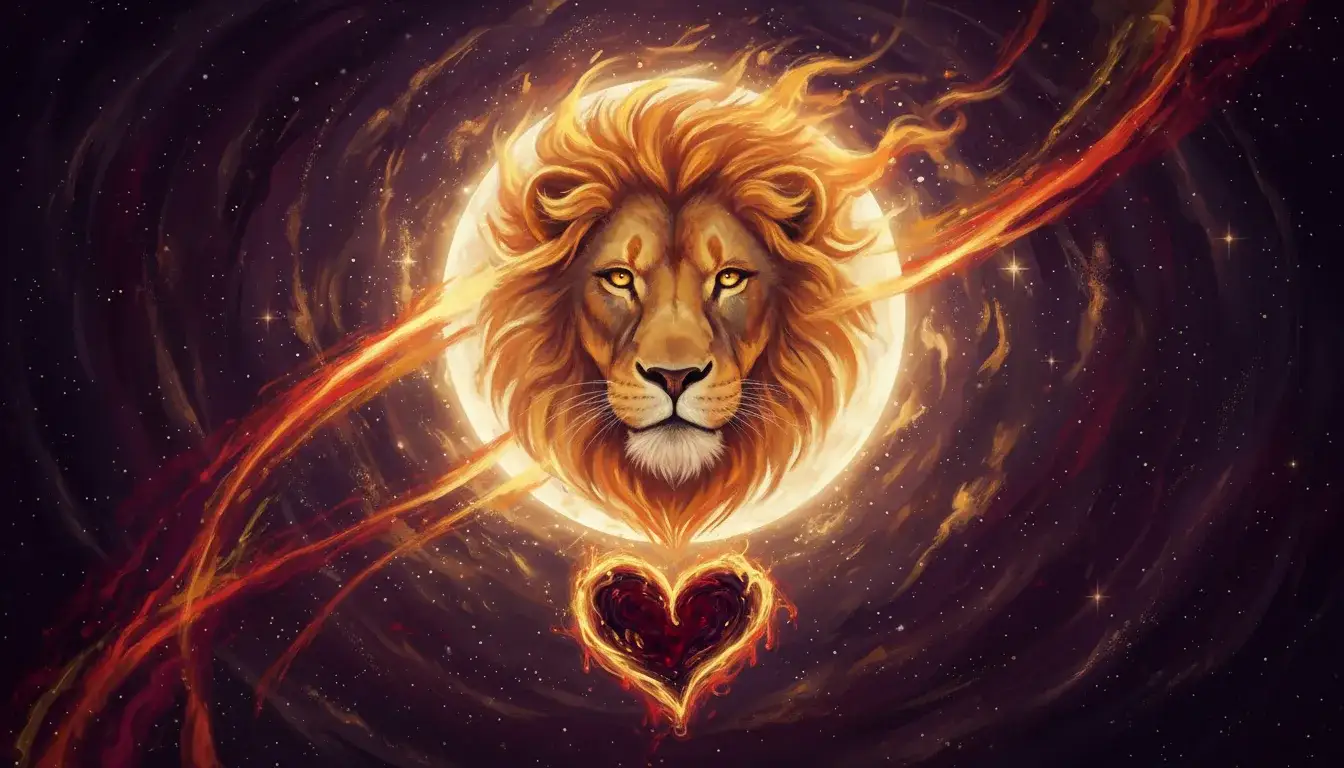
Moon in Leo
Needs admiration, warmth, and emotional visibility
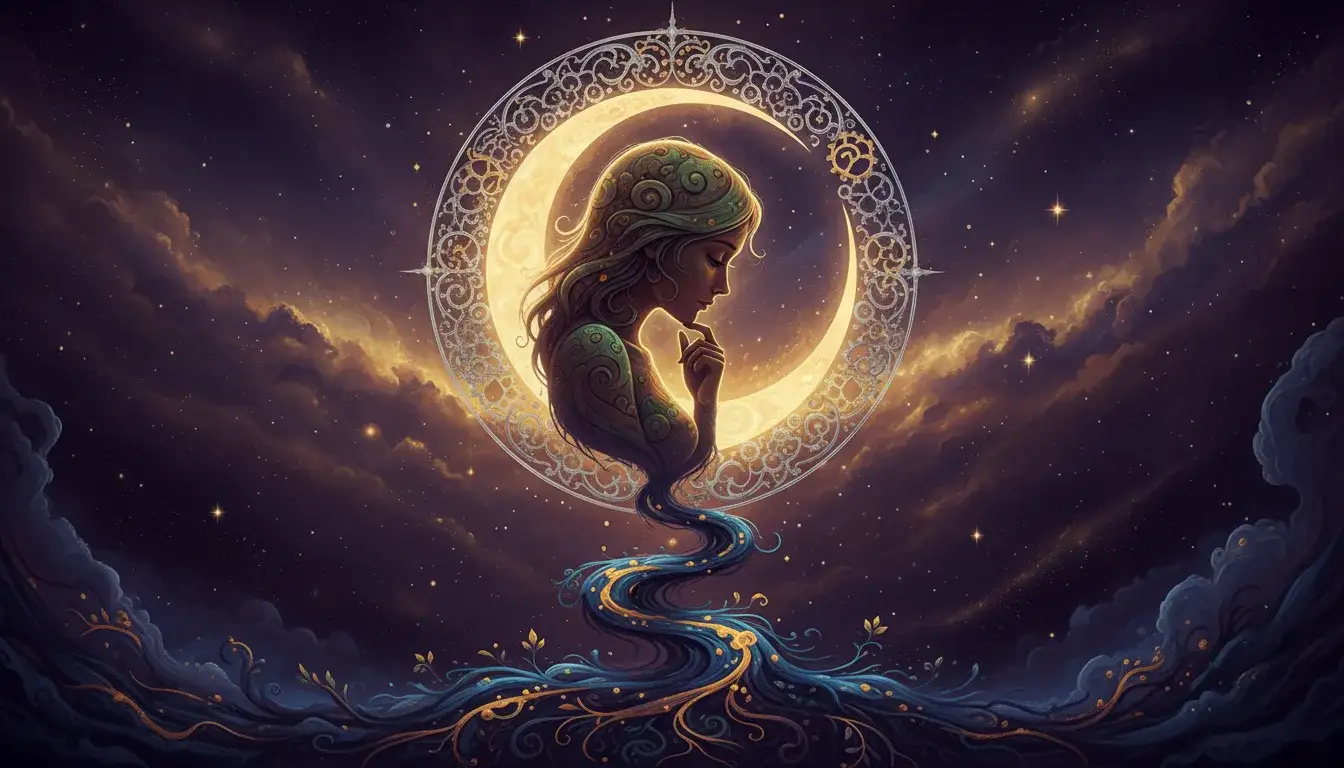
Moon in Virgo
Worries often, needs order, emotionally practical
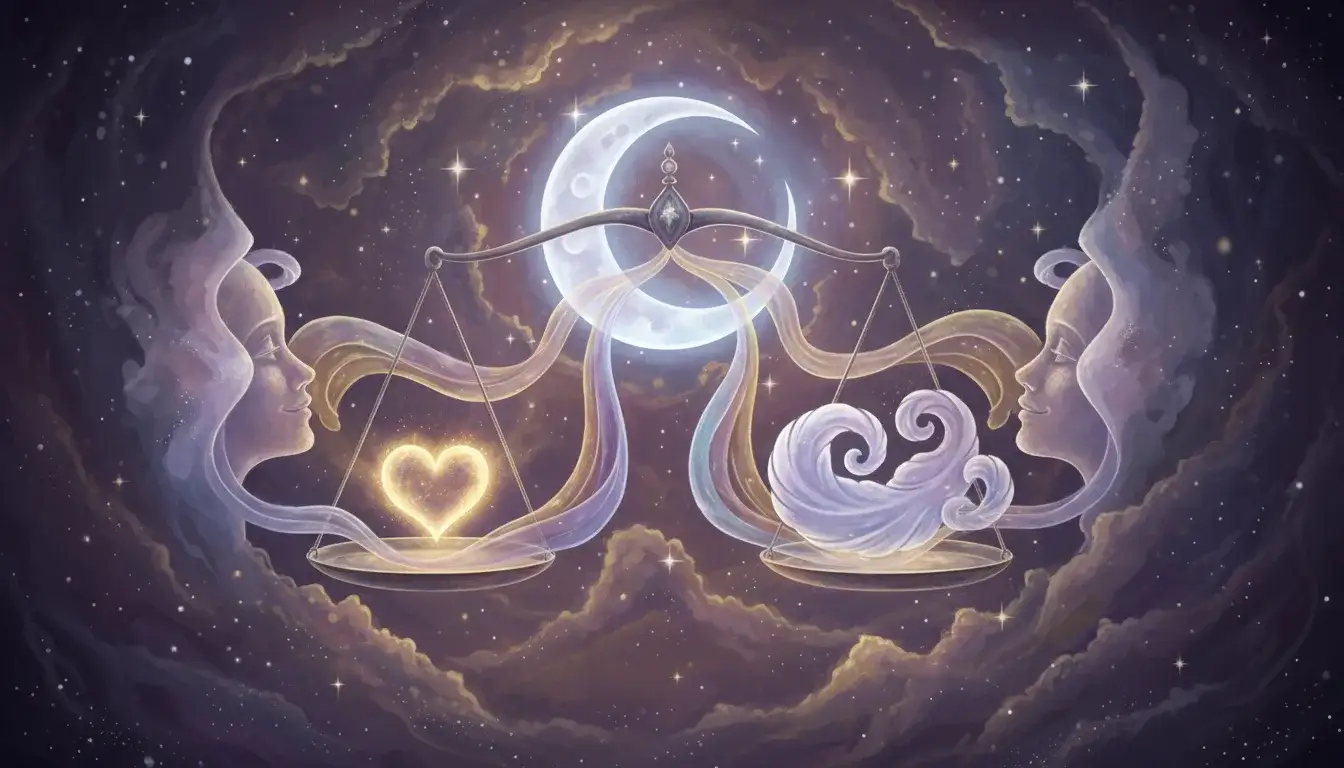
Moon in Libra
Values fairness, connection, and emotional harmony
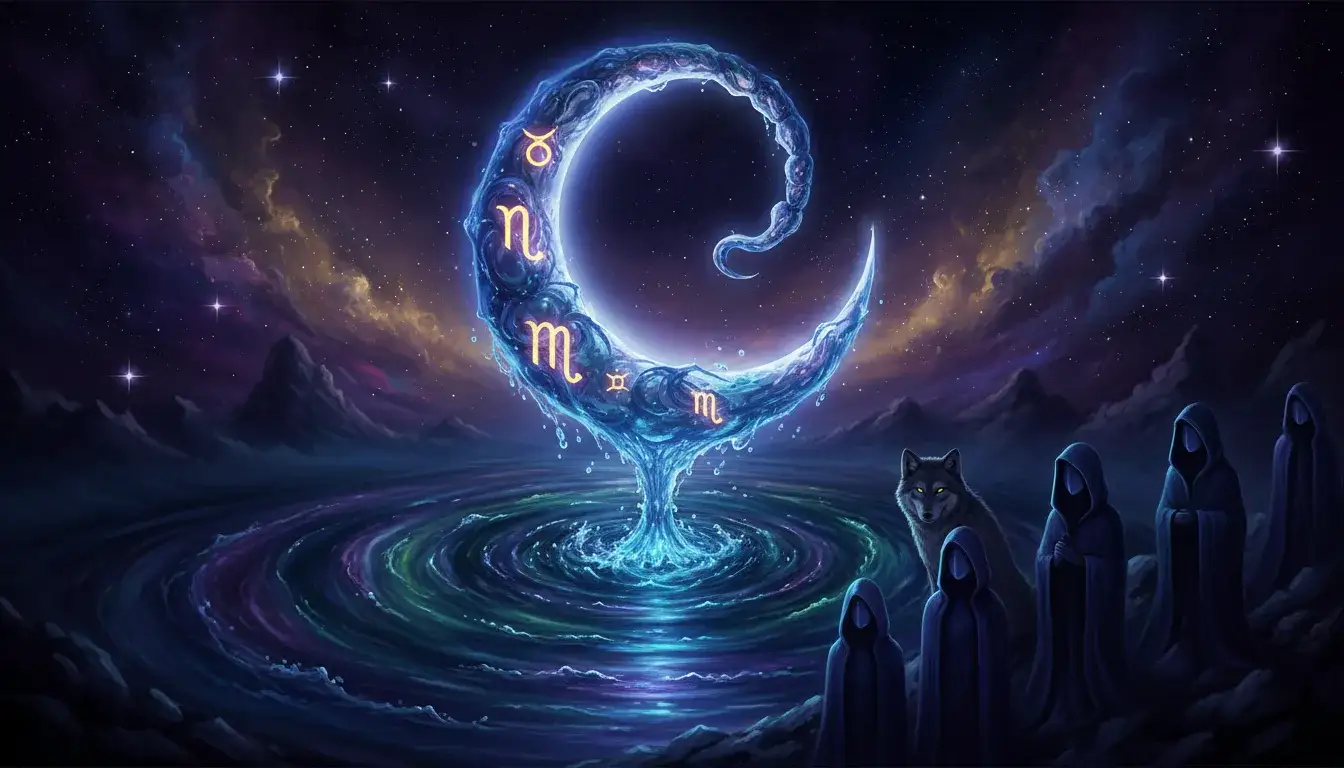
Moon in Scorpio
Intense emotional depth, secretive, loyal, suspicious
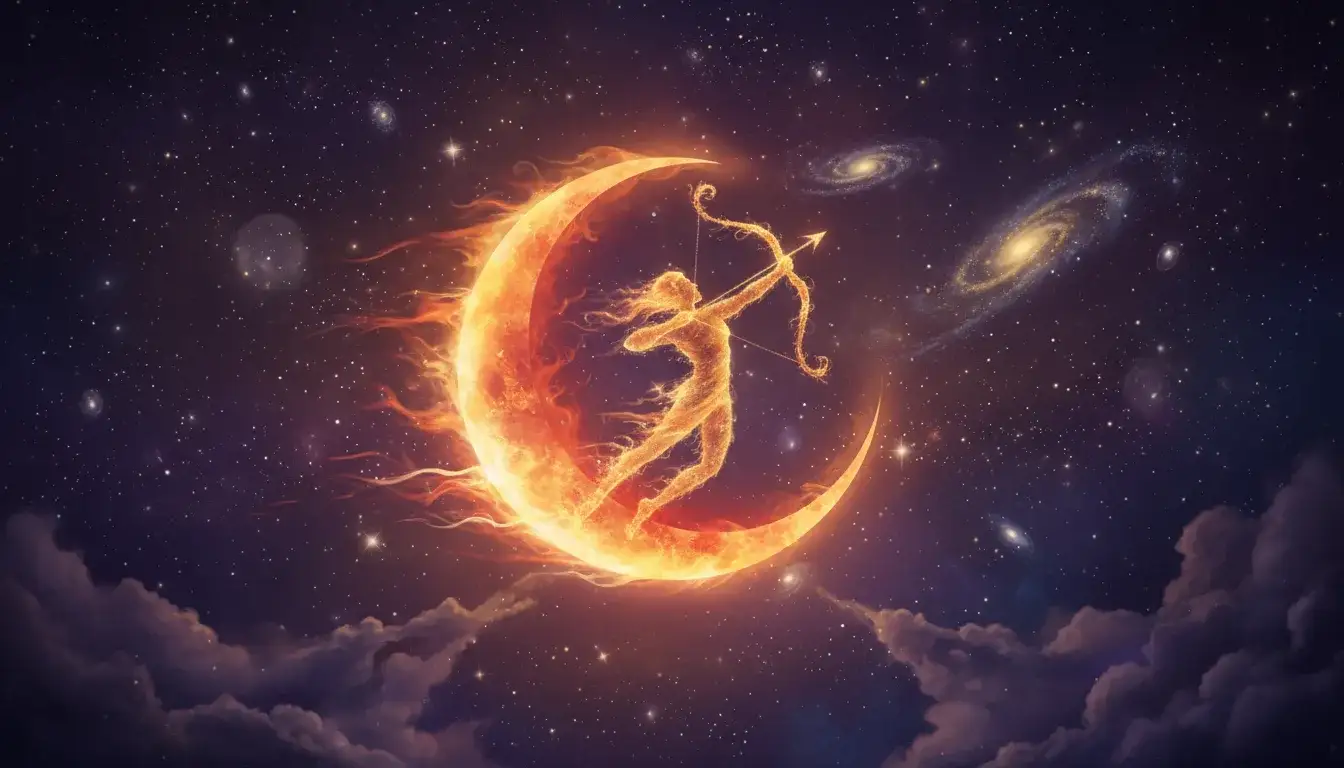
Moon in Sagittarius
Optimistic, avoids emotional heaviness, seeks space
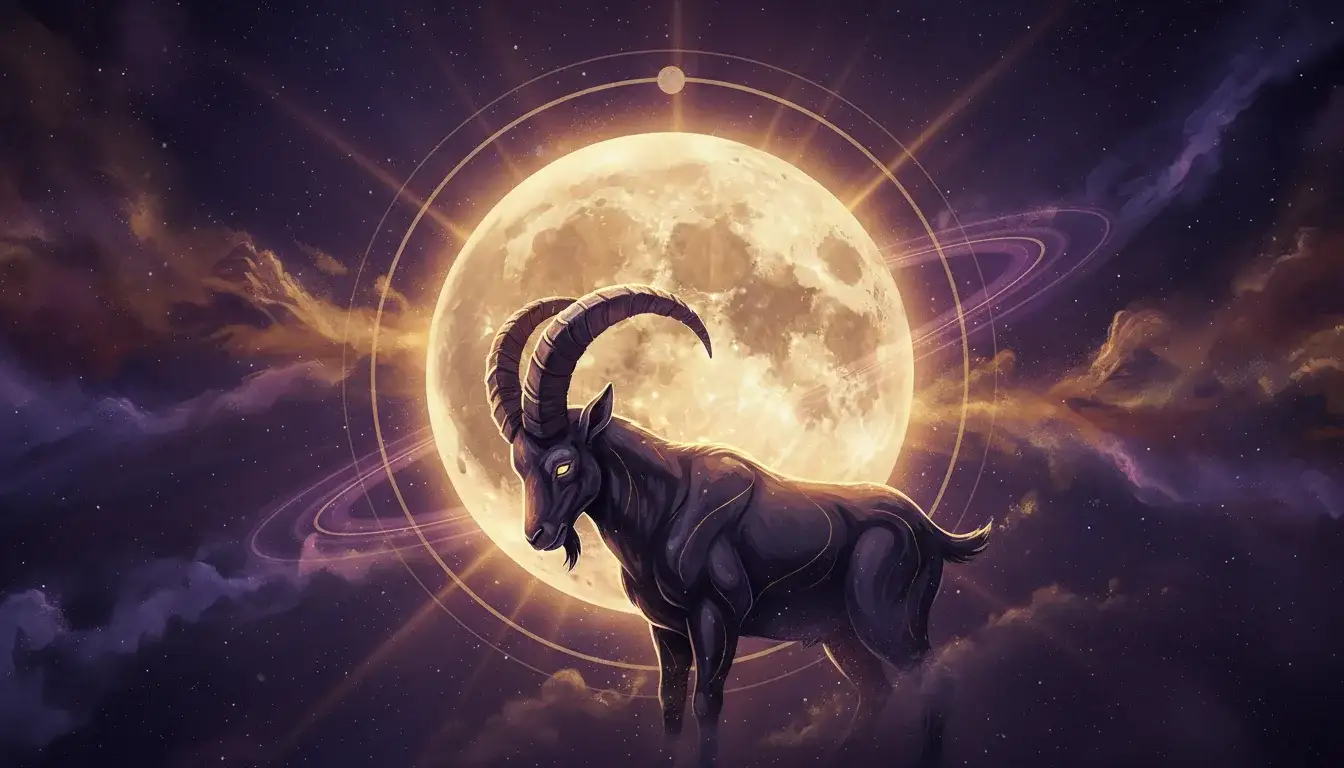
Moon in Capricorn
Restrained, emotionally responsible, discomfort with vulnerability
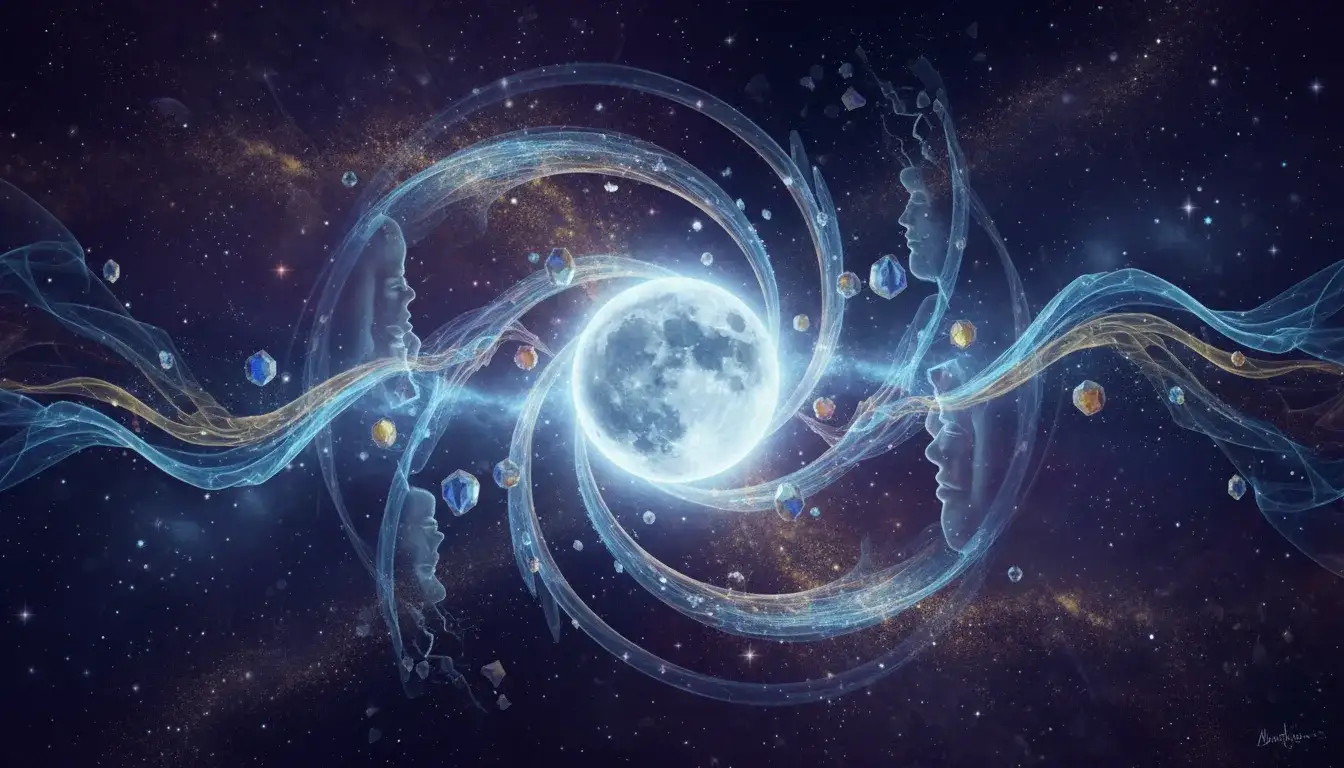
Moon in Aquarius
Detached, rational approach to feelings, values autonomy
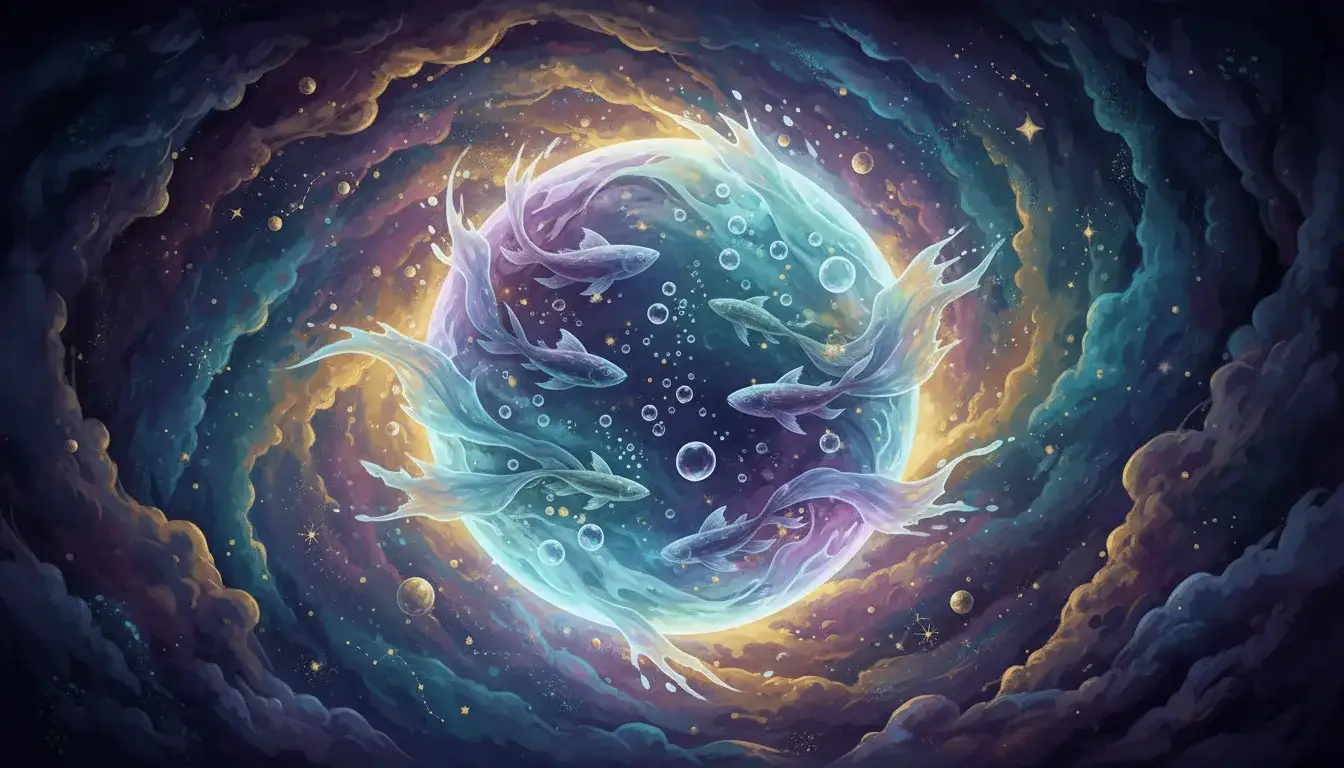
Moon in Pisces
Absorbs emotions, dreamy, compassionate, needs escape
The Moon in Astrological Houses
Houses show where emotions are focused in everyday life. They add situational context to how the Moon functions.
1st House
Emotions are visible, identity closely tied to mood
2nd House
Emotional security depends on stability, resources
3rd House
Feelings expressed through communication, short trips help regulate mood
4th House
Deep bond with home, roots, and inner life
5th House
Emotionally tied to creativity, romance, and self-expression
6th House
Needs routine, practical service eases emotional stress
7th House
Emotional well-being depends on partnerships
8th House
Tied to transformation, intimacy, and shared resources
9th House
Emotionally drawn to growth, philosophy, or travel
10th House
Mood linked to status and career responsibility
11th House
Needs community and shared ideals
12th House
Private emotional world, strong intuition, inner solitude
The Phases of the Moon
in Astrology
Lunar phases influence energy flow and emotional states. Each phase has a unique emotional tone.
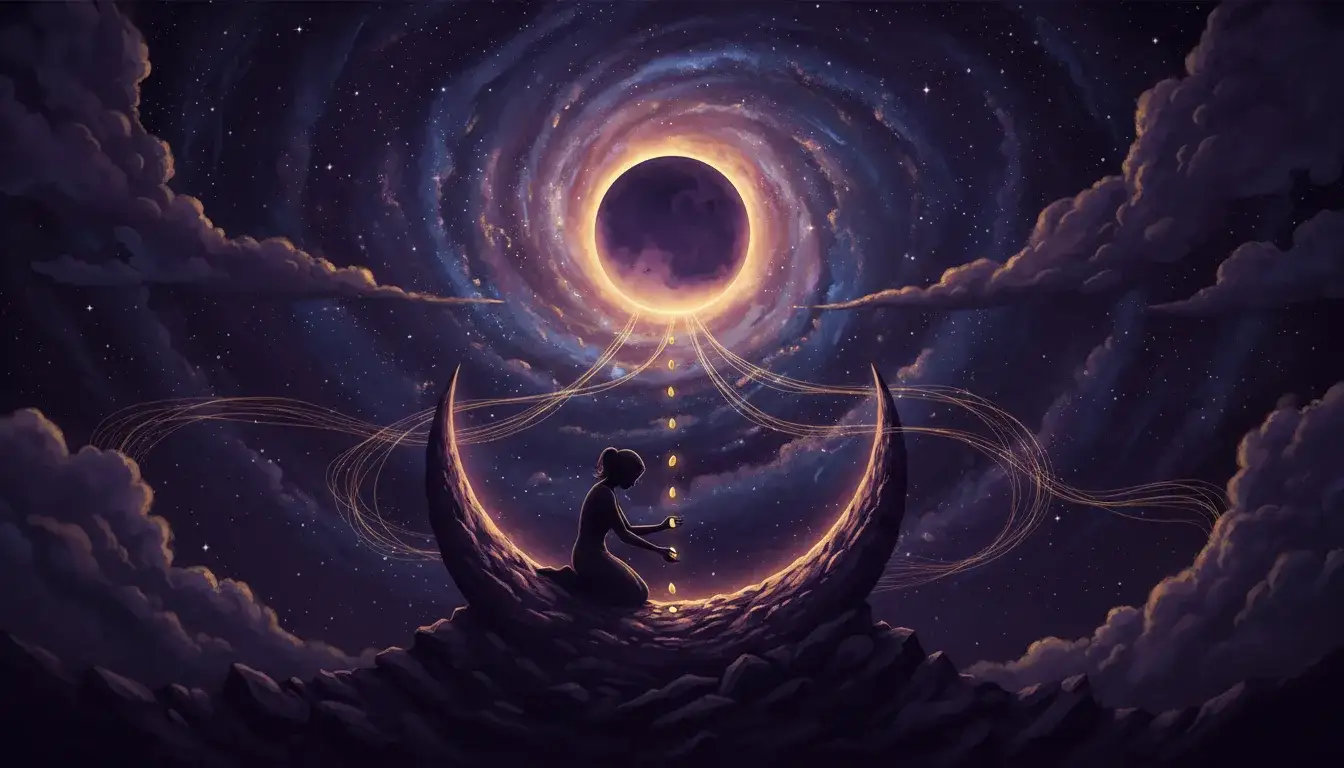
New Moon
Time for planting seeds and reflection
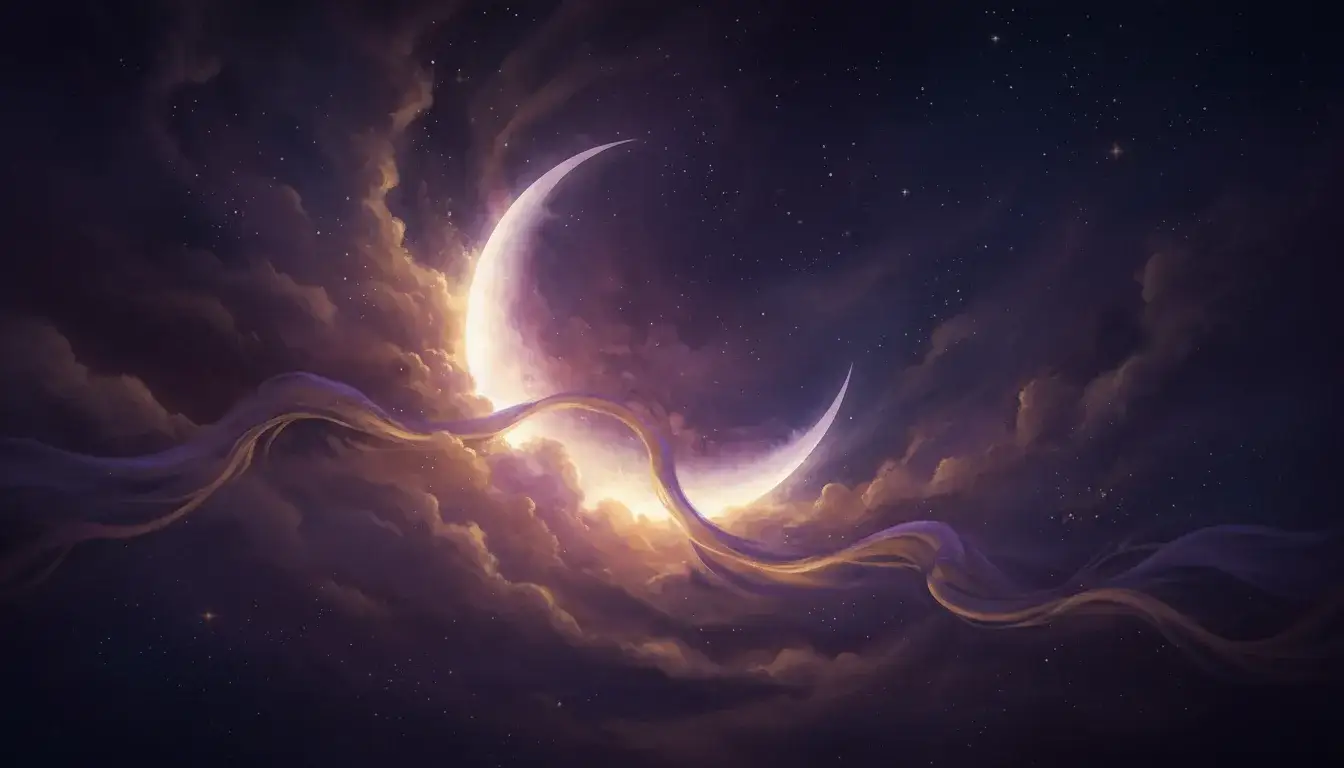
First Quarter
Push through resistance, adjust emotionally
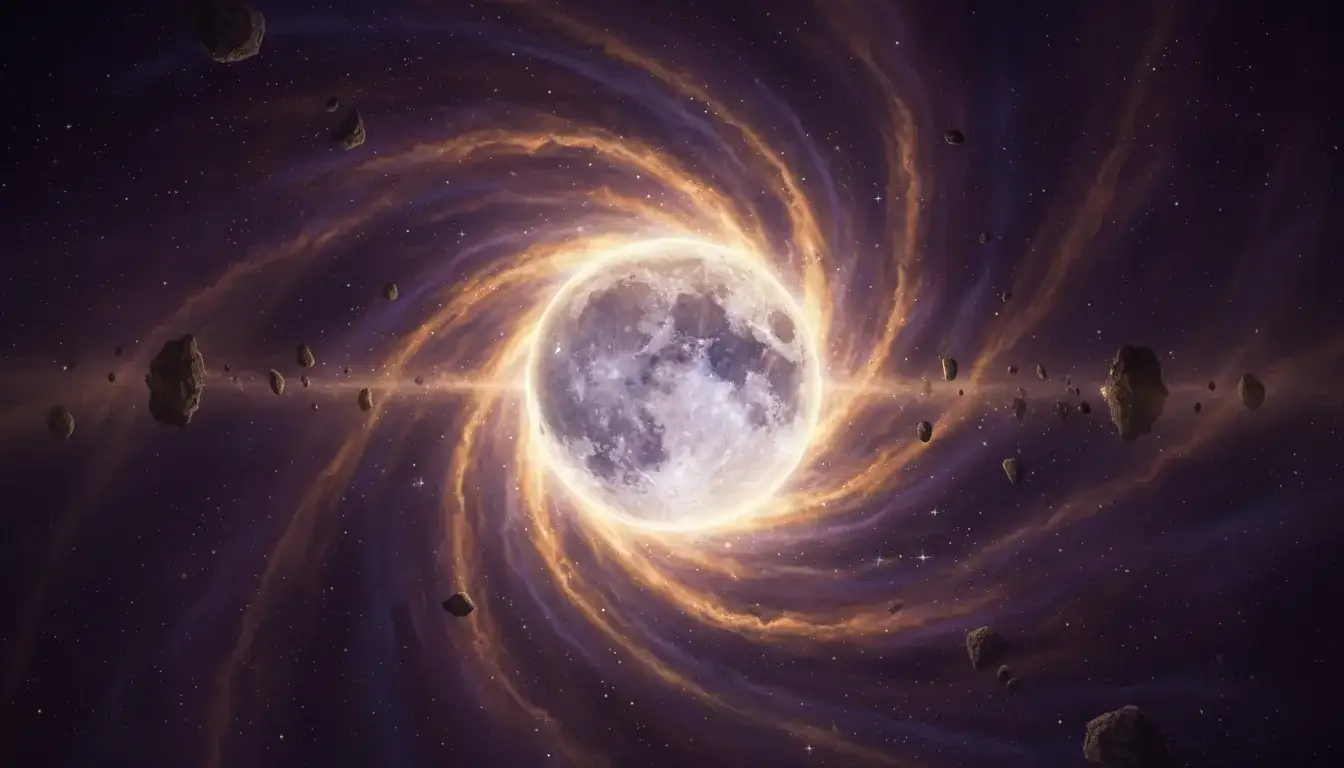
Full Moon
Peak emotion, clarity, or culmination
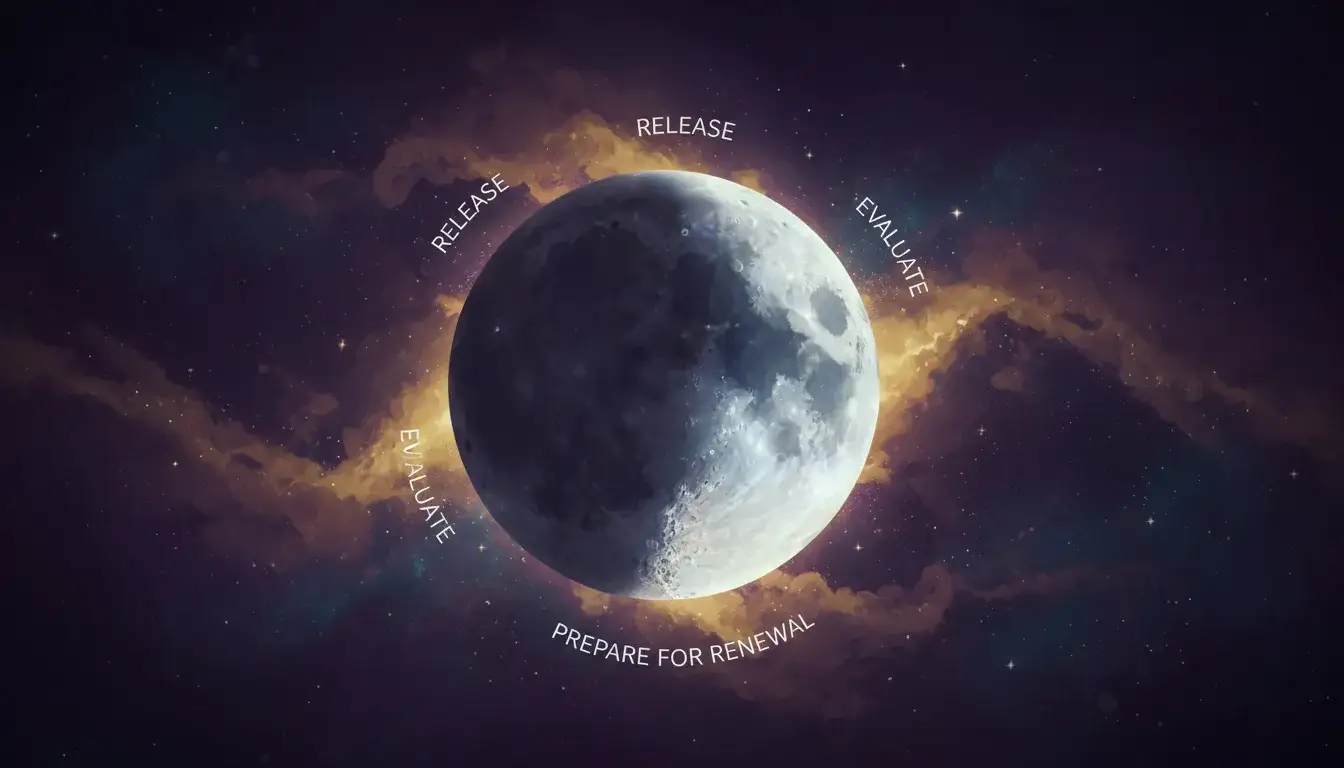
Last Quarter
Release, evaluate, prepare for renewal
In natal charts, the Moon’s phase reflects how a person begins, grows, and resolves experiences. Those born during Full Moons may be more expressive, while New Moon births often point to introspective qualities.
The Moon’s Daily Transits
and Influence
The Moon changes signs roughly every two and a half days. These shifts affect collective moods and the emotional backdrop of daily life.
During a Moon transit through Leo, people may feel more expressive. In Capricorn, emotions may become more restrained and focused.
Electional astrology relies heavily on lunar transits. Timing matters in emotional decision-making, and the Moon sets the tone.
The Moon in Astrology
vs Other Planets
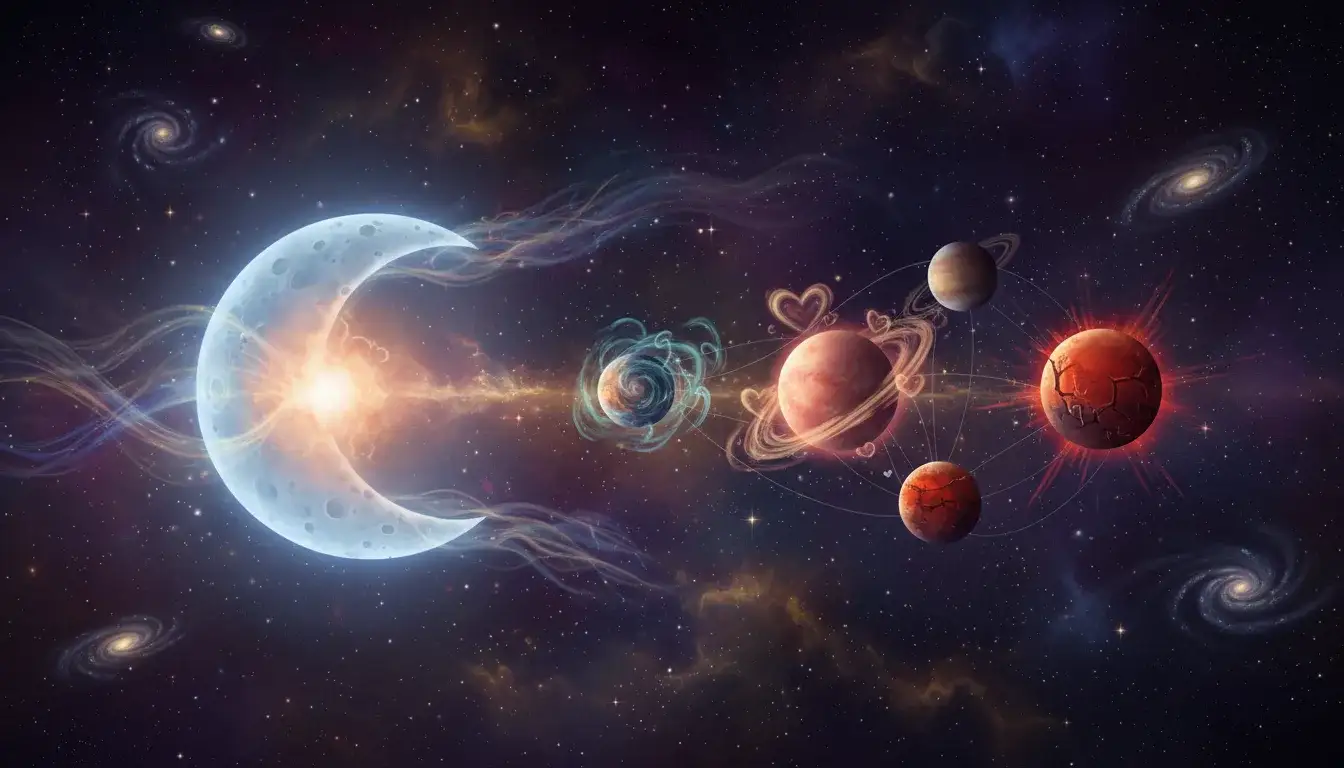
The Moon stands apart from other planets in both speed and meaning. It reflects the emotional core, not the conscious identity or thinking mind.
Compared to the Sun, the Moon speaks to inner needs, while the Sun shows outer purpose. The Sun defines who someone strives to become, but the Moon shows what feels safe and familiar.
Mercury deals with thought, speech, and logic. The Moon, in contrast, governs feelings, intuition, and emotional memory. Where Mercury analyzes, the Moon senses and responds.
In terms of movement, the Moon moves much faster than any other planet. It spends about two to three days in each zodiac sign, completing a full cycle every 28 days.
This quick pace means emotional states shift often. While outer planets shape long-term themes, the Moon influences daily moods and inner reactions.
Another unique trait — the Moon never turns retrograde. Its motion remains steady, even as other planets shift direction during certain times.
This makes lunar energy feel consistent in rhythm, even if emotions themselves fluctuate. The Moon touches all other placements often, triggering emotional responses as it moves through the chart.
Its fast movement, inward focus, and link to the subconscious make it one of the most personal and sensitive factors in astrology.
The Moon and Childhood Conditioning
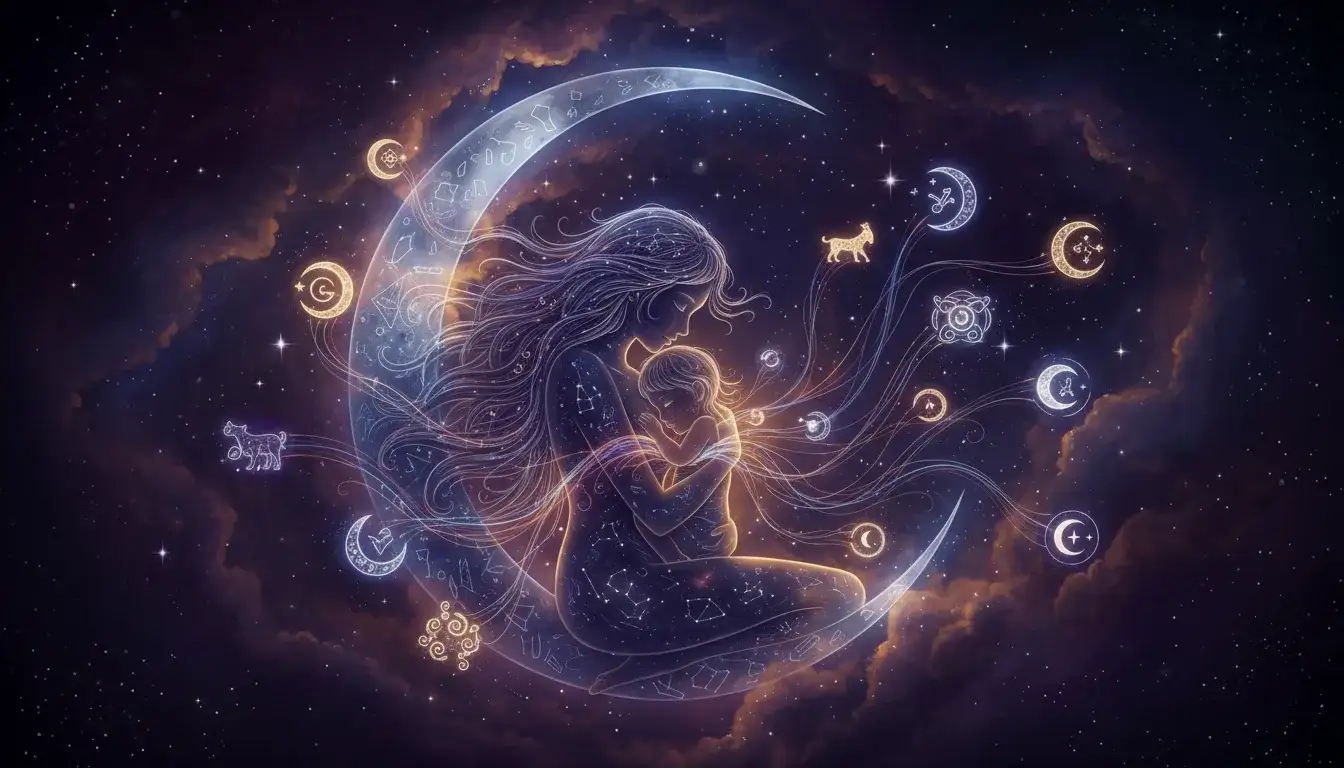
The Moon symbolizes early life patterns and maternal bonds. It encodes emotional responses learned through the first caretaking experiences.
This placement shows how people were comforted as children. It reveals what made them feel safe and how they may unconsciously recreate those dynamics.
Moon signs can also indicate how someone responds to parental authority. Patterns from early life often repeat in adult relationships.
The Moon and Emotional Compatibility
In synastry, Moon-Moon connections show emotional resonance. Harmonious aspects often bring comfort and natural understanding.
Moon conjunct Moon
Shared needs and emotional style
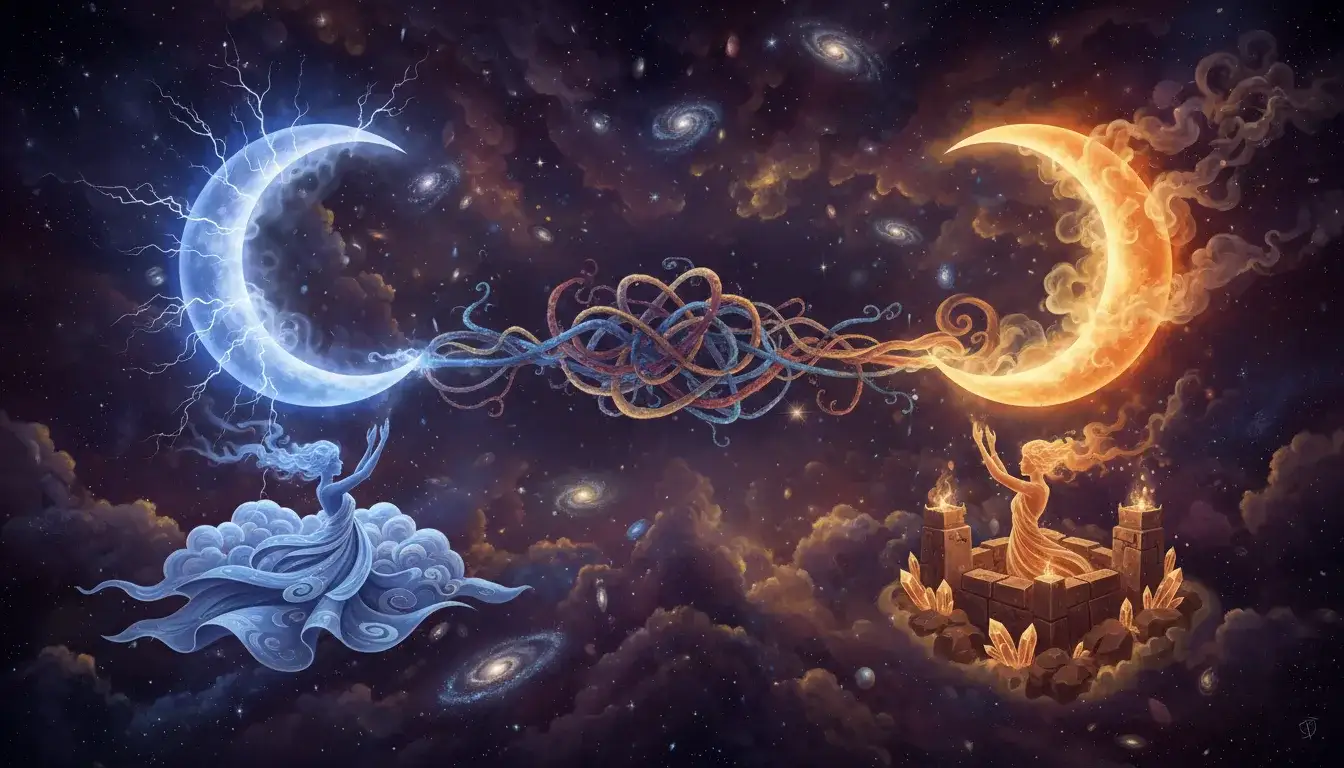
Moon square Moon
Emotional friction, different comfort strategies
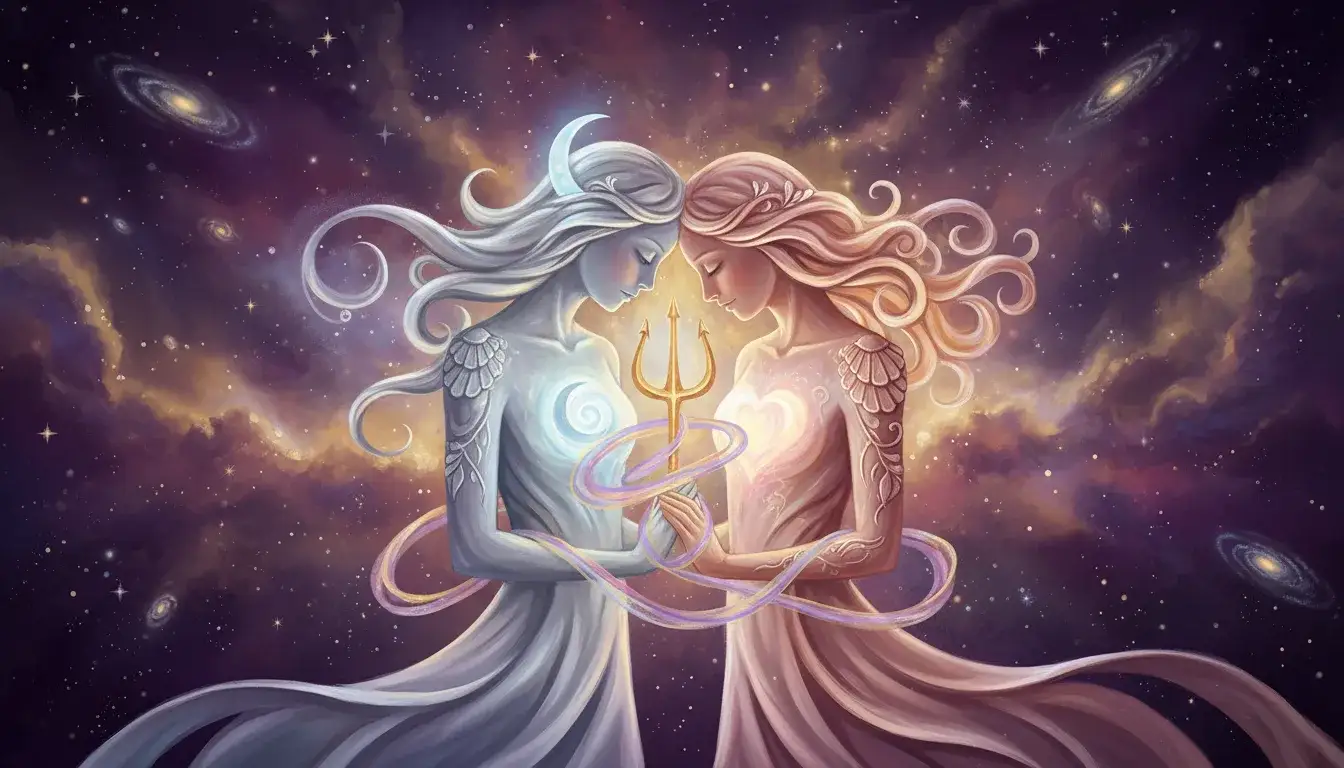
Moon trine Venus
Affection and emotional ease
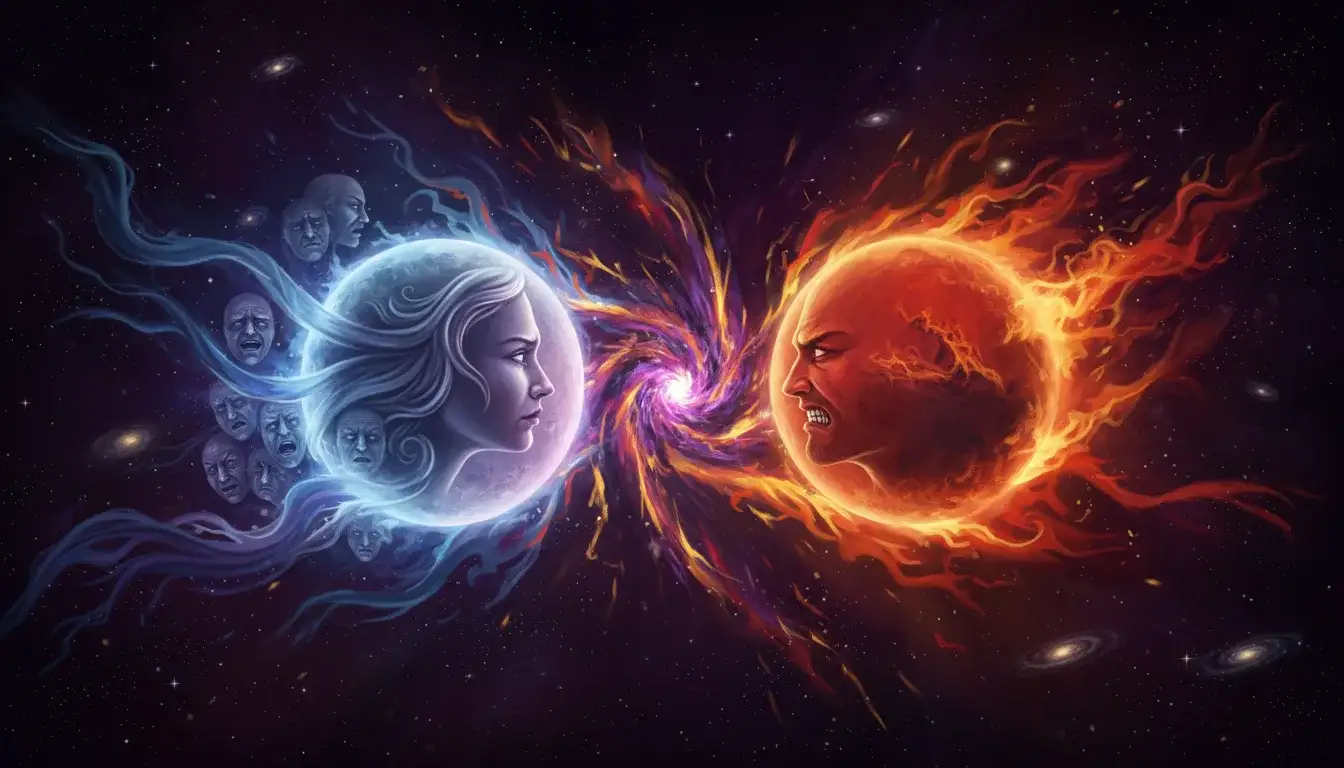
Moon opposite Mars
Passion mixed with tension or mood swings
The Moon shapes how people express care, process hurt, and maintain closeness. Its placement can either soothe or stress relationships.
The Moon and Your Subconscious Mind
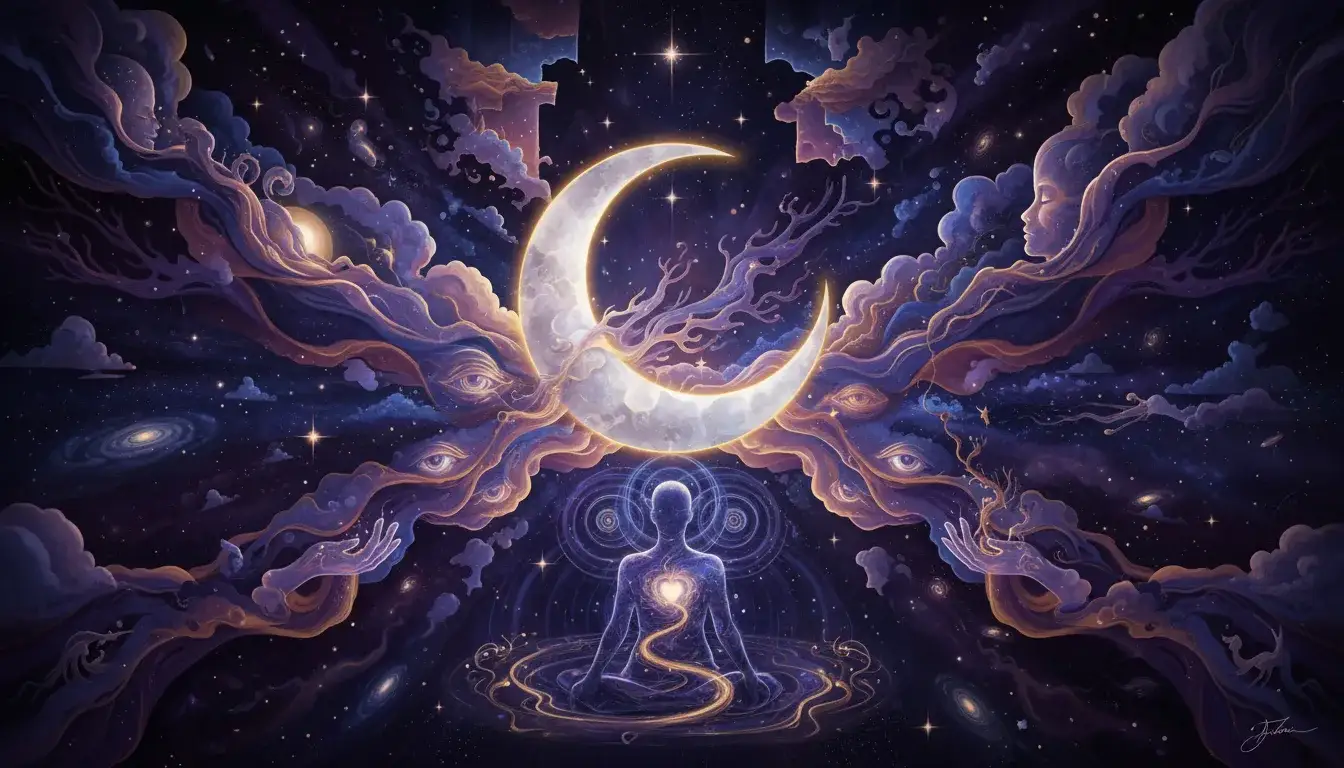
The Moon governs hidden motivations and instincts. It's where gut feelings arise and how a person emotionally processes life.
Dreams and non-verbal impressions are tied to lunar activity. Intuition becomes stronger when this part of the chart is understood.
Many defense mechanisms stem from the Moon’s influence. It often explains behaviors that seem automatic or irrational.
Retrograde Moons and Lunar Eclipses
The Moon doesn’t go retrograde in real-time, but in secondary progressions, it can appear to. This signals emotional review and turning inward.
Lunar eclipses mark emotional turning points. They bring things to light that were previously hidden.
During eclipse seasons, moods intensify. People often experience shifts in relationships, memory, and inner clarity.
Lunar Return Charts
in Predictive Astrology
The lunar return marks when the Moon comes back to its natal position each month. It's a tool for tracking short-term emotional cycles.
Each return highlights emotional themes for the next four weeks. The house placement and aspects show where focus lands.
These charts reveal personal patterns, especially in relationships, family matters, and mood shifts.
How to Find Your Moon Sign
To find your Moon sign, you need your exact birth time, date, and location. Unlike the Sun, which stays in each sign for about a month, the Moon changes signs every two to three days.
Even a few hours can shift the lunar placement, so accuracy matters. Without a birth time, results may be incorrect or incomplete.
Online Moon sign calculators and astrology software can generate a full natal chart. These tools show your Moon sign along with house placement and aspects.
Knowing your Moon sign adds depth to daily horoscopes and emotional self-awareness. It explains how you react, connect, and seek comfort on a personal level.
Summary: Why the Moon Is Central in Astrology
The Moon guides emotional flow and internal responses. It’s tied to childhood, memory, and instinct.
Understanding the Moon brings clarity to one’s needs and emotional language. It reveals how people connect, protect, and respond beneath the surface.
While the Sun shines outward, the Moon reflects inward. It’s the emotional compass of the birth chart.