Uranus is the planet associated with revolution, innovation, and sudden change. In astrology, it represents the drive to break rules, think differently, and push boundaries.
What is Uranus in Astrology?
Uranus was discovered in 1781, making it the first planet found with a telescope. Its discovery marked a symbolic shift, aligning with historical revolutions and changes in thought.
This planet doesn’t follow tradition. It brings disruption and nonconformity. In modern astrology, it’s considered the ruler of Aquarius, reinforcing themes of progress, independence, and intellect.
Astrologers classify Uranus as a generational planet. It moves slowly through the zodiac, influencing collective trends and mindsets over time.
Symbolic Meaning of Uranus in Astrology
Uranus is tied to electricity, innovation, rebellion, and awakening. Its energy shakes up existing systems and opens doors to radical breakthroughs.
Themes include:
Its symbolism goes beyond disruption. Uranus forces growth by encouraging detachment from outdated structures and by introducing new perspectives.
Uranus and the Zodiac Signs
Because Uranus takes about 7 years to pass through each sign, its effect is generational. Each placement carries specific traits.
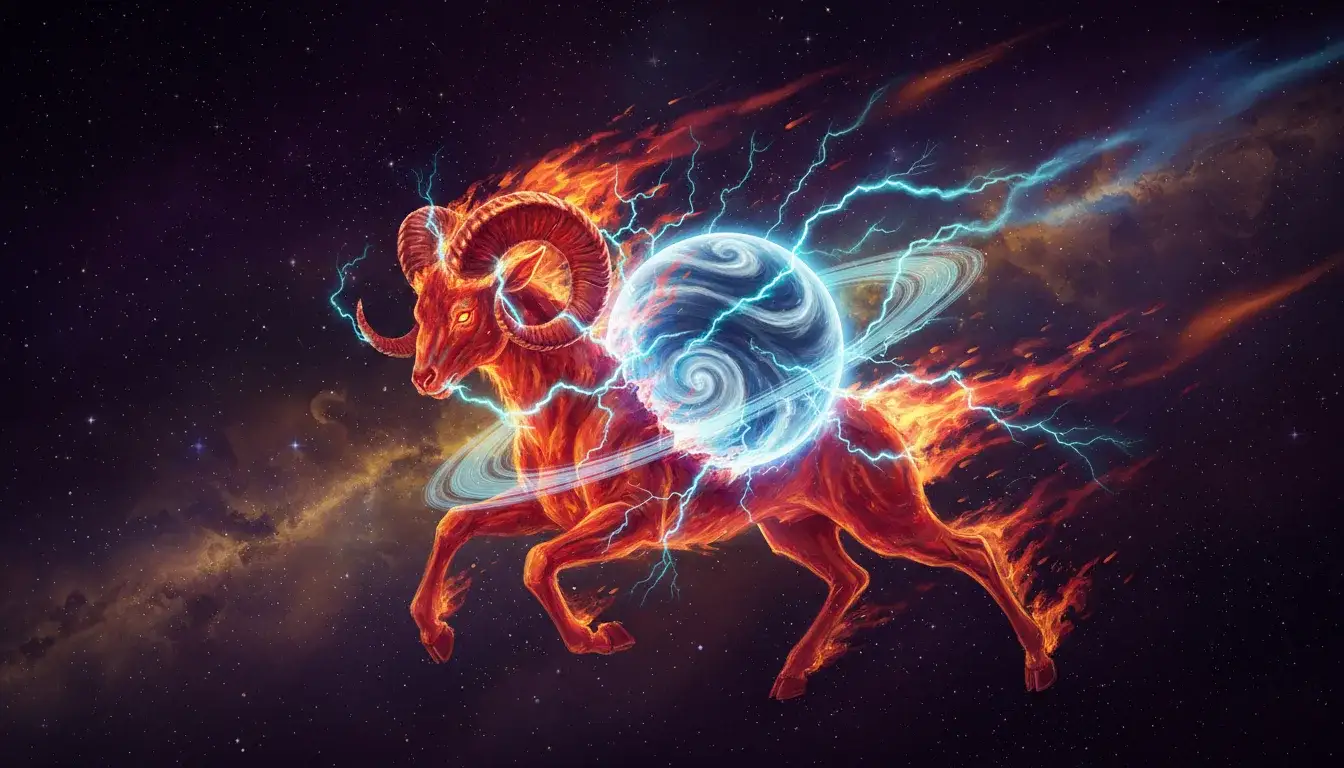
Uranus in Aries
Pioneering spirit, impulsive revolution
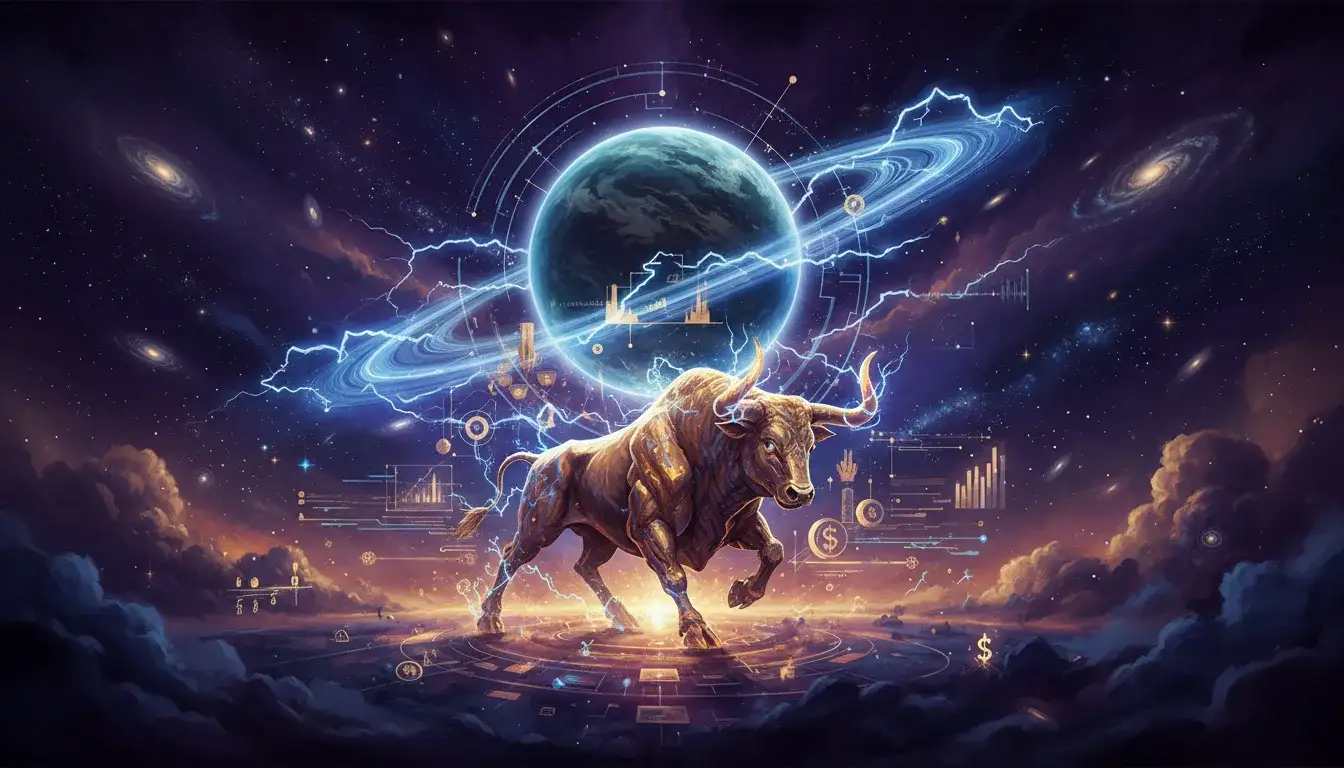
Uranus in Taurus
Disruption of values, financial innovation
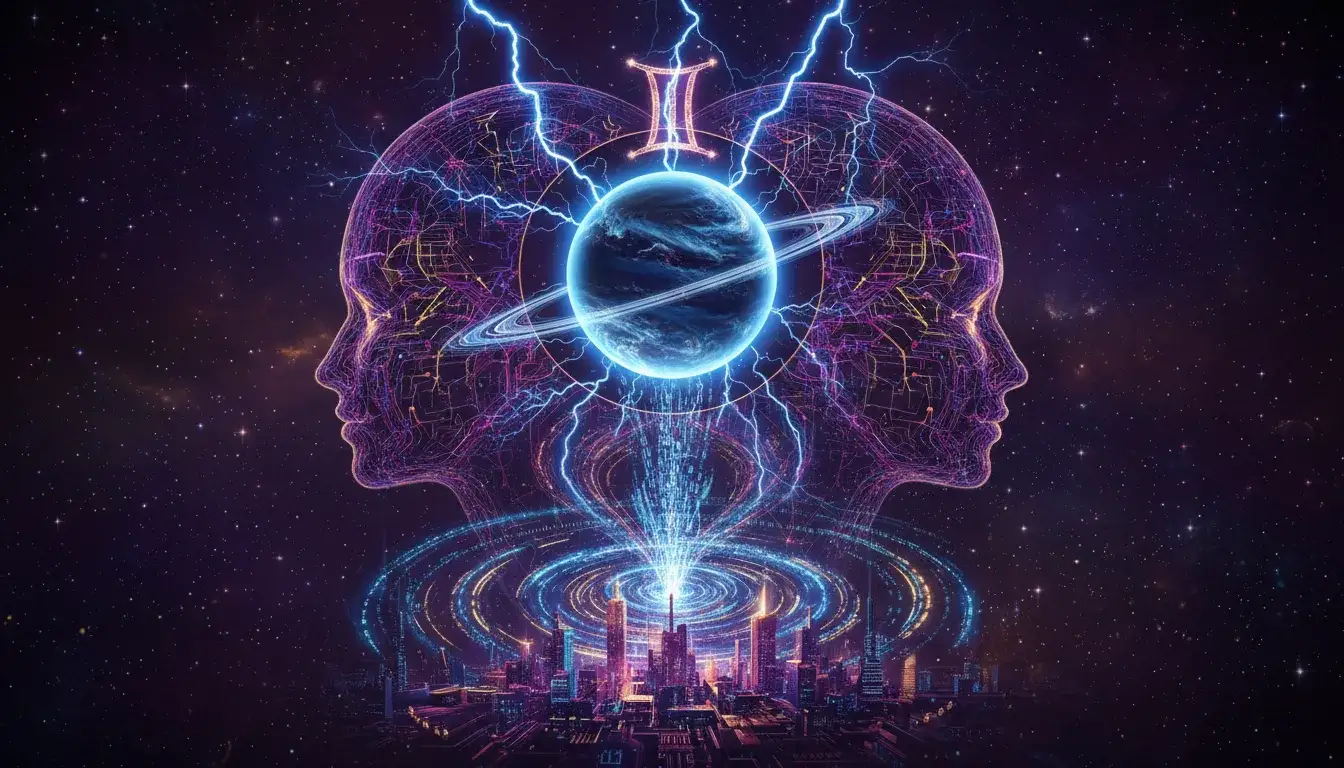
Uranus in Gemini
Communication revolution, information age
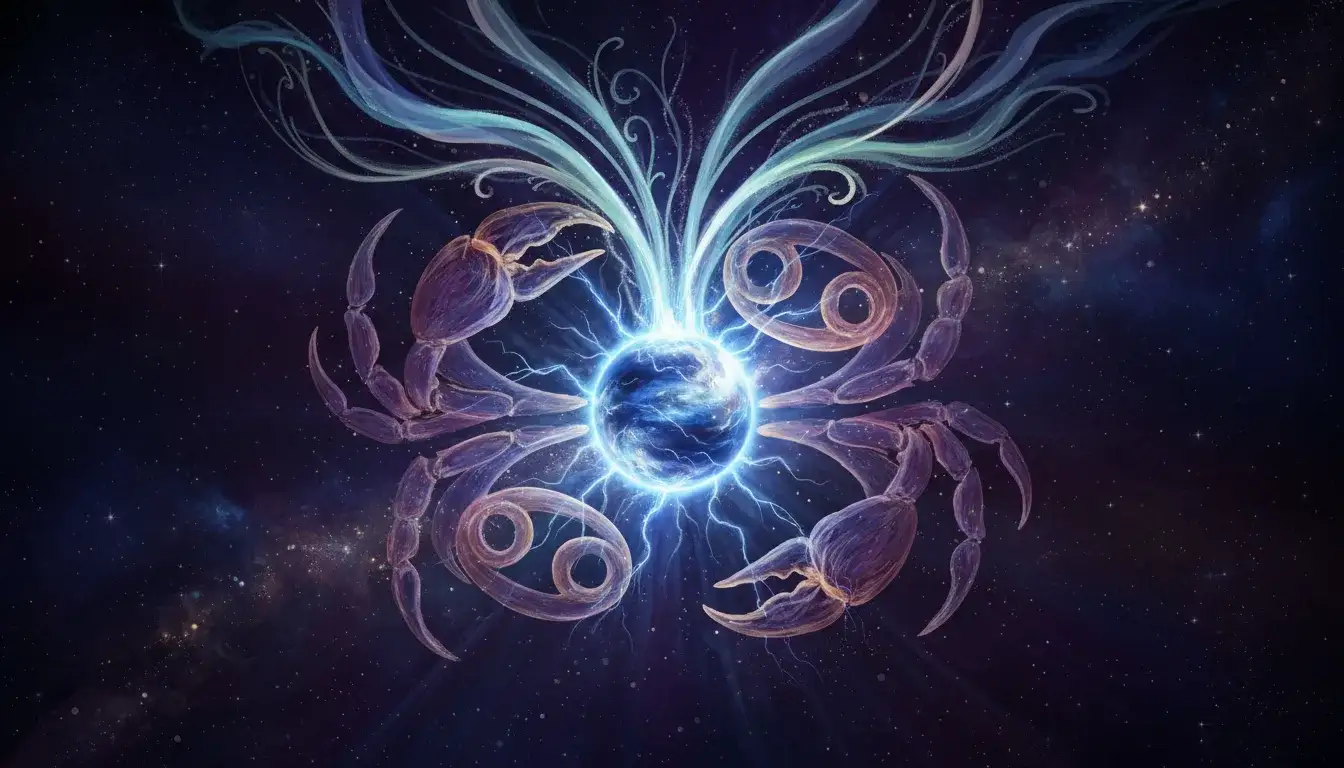
Uranus in Cancer
Family structure changes, emotional liberation
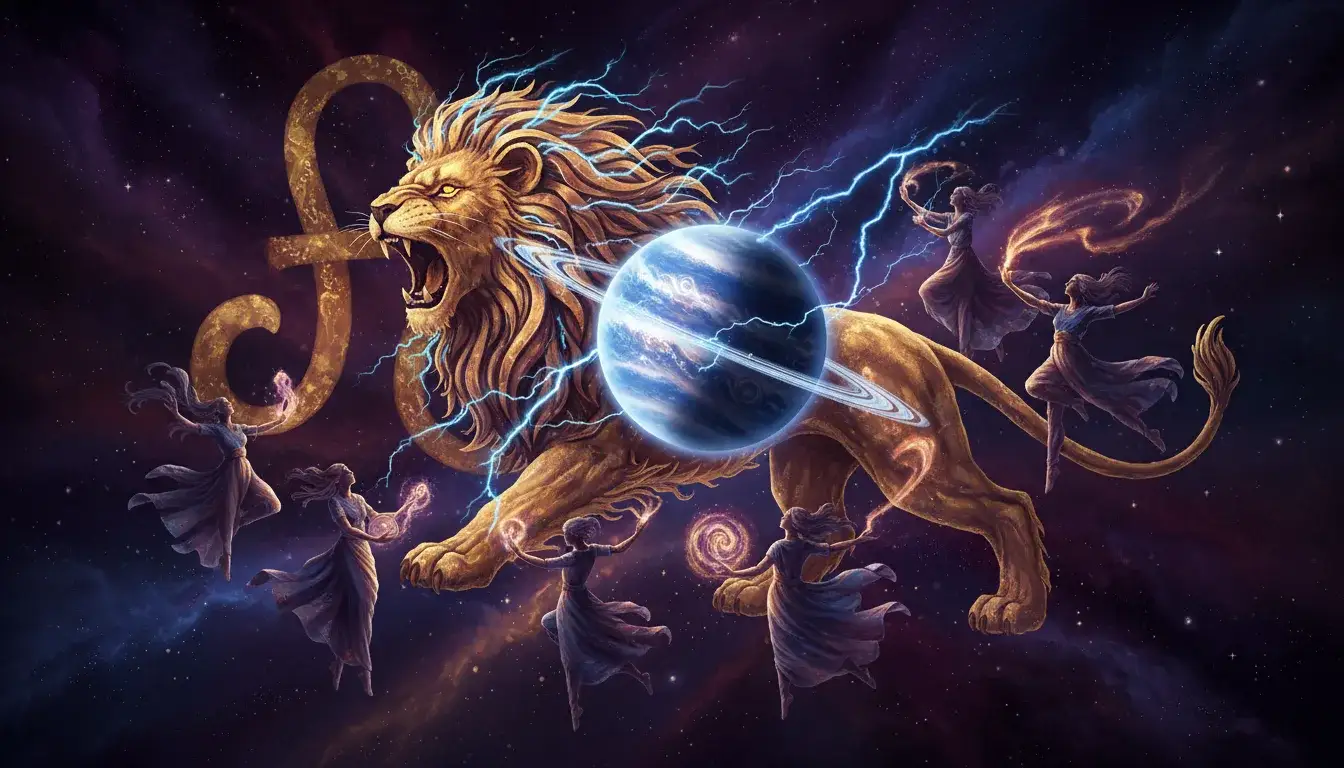
Uranus in Leo
Creative revolution, individual expression
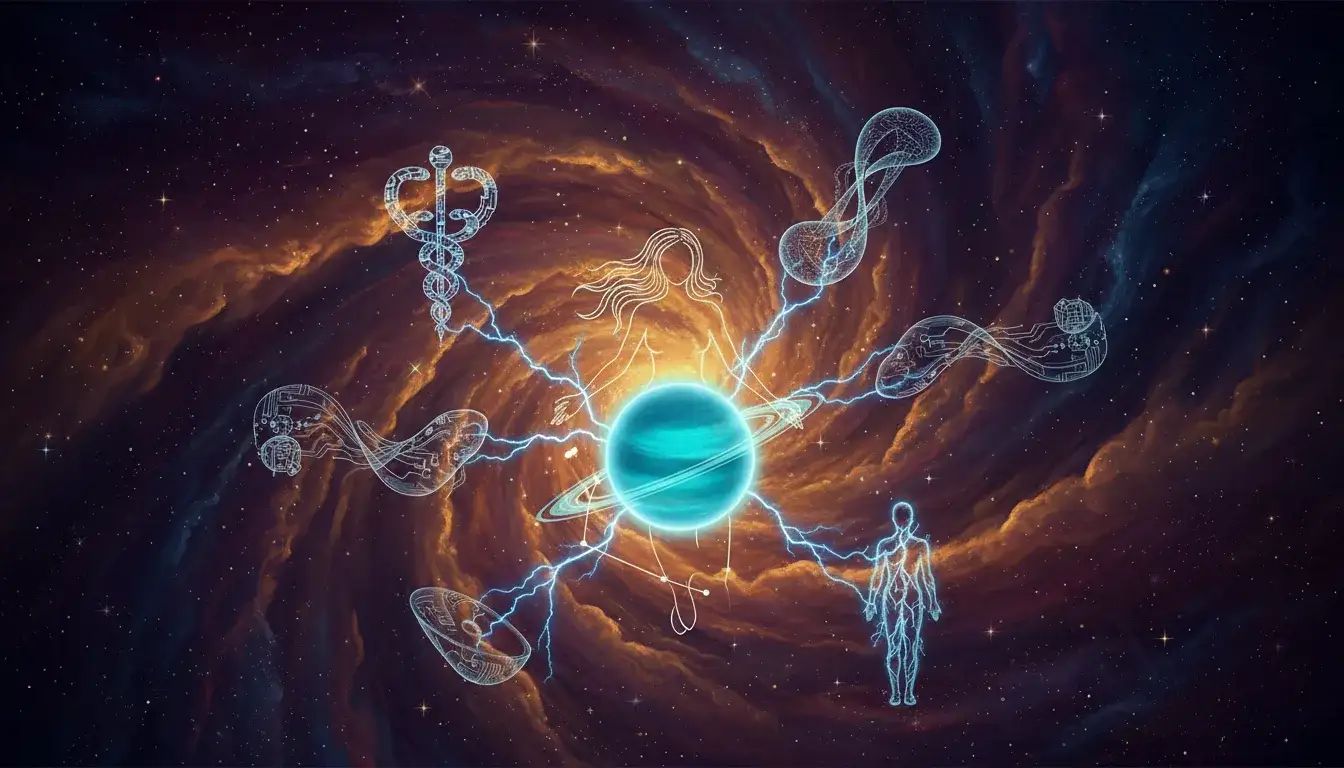
Uranus in Virgo
Health and service innovation
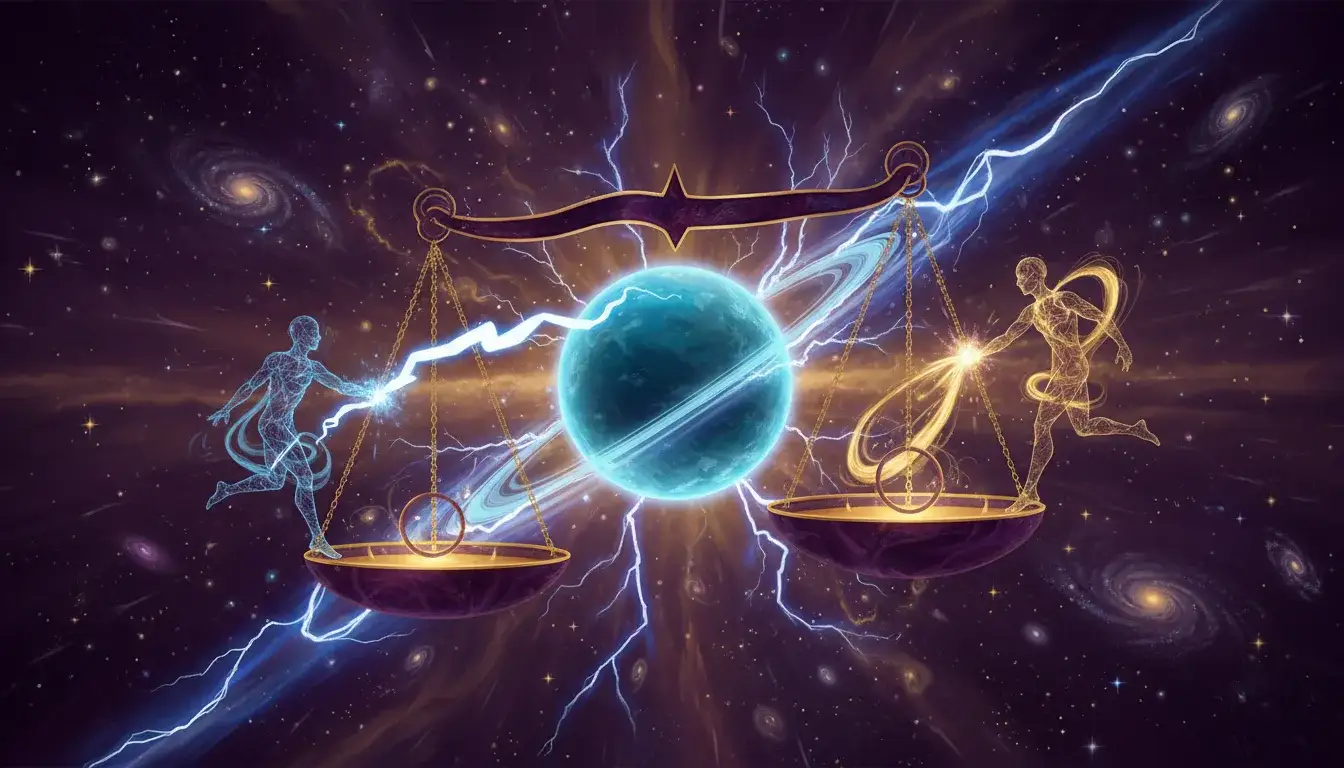
Uranus in Libra
Relationship revolution, partnership shifts
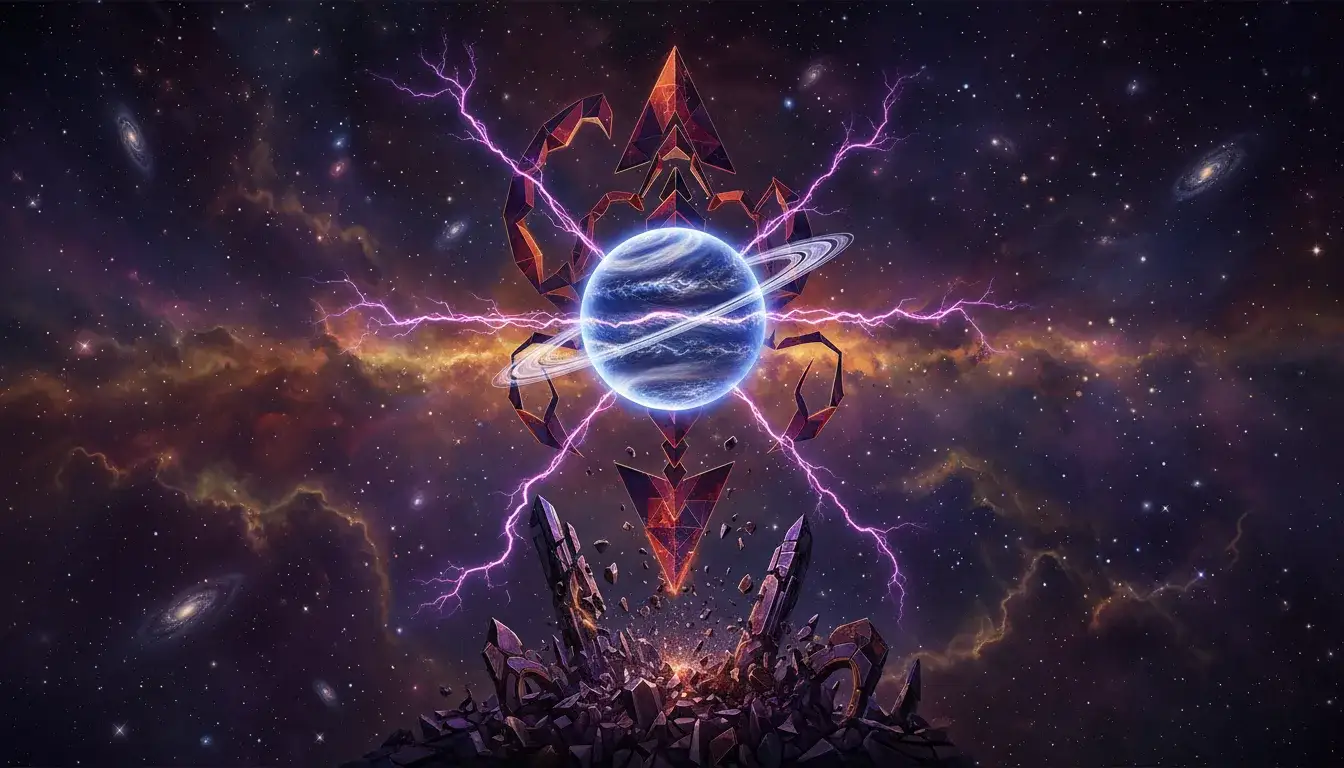
Uranus in Scorpio
Power structure transformation
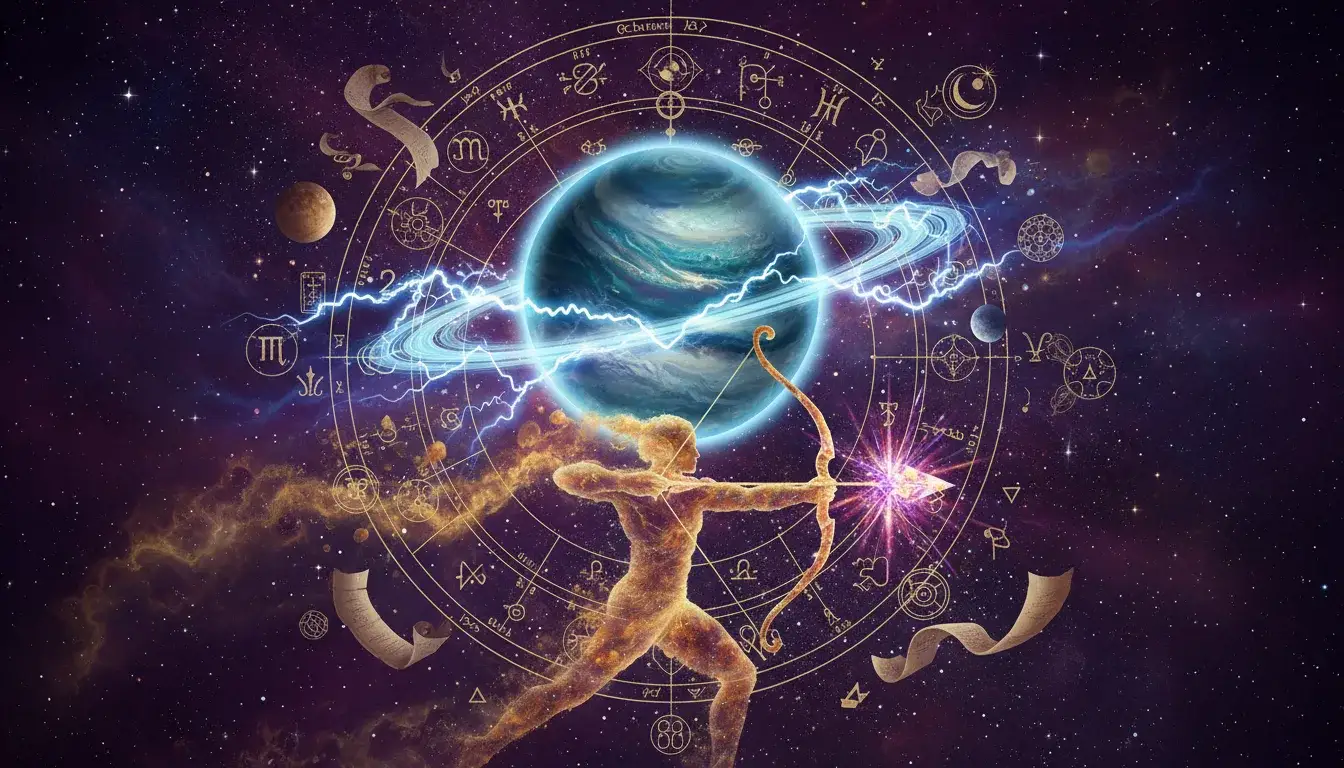
Uranus in Sagittarius
Belief system revolution, global vision
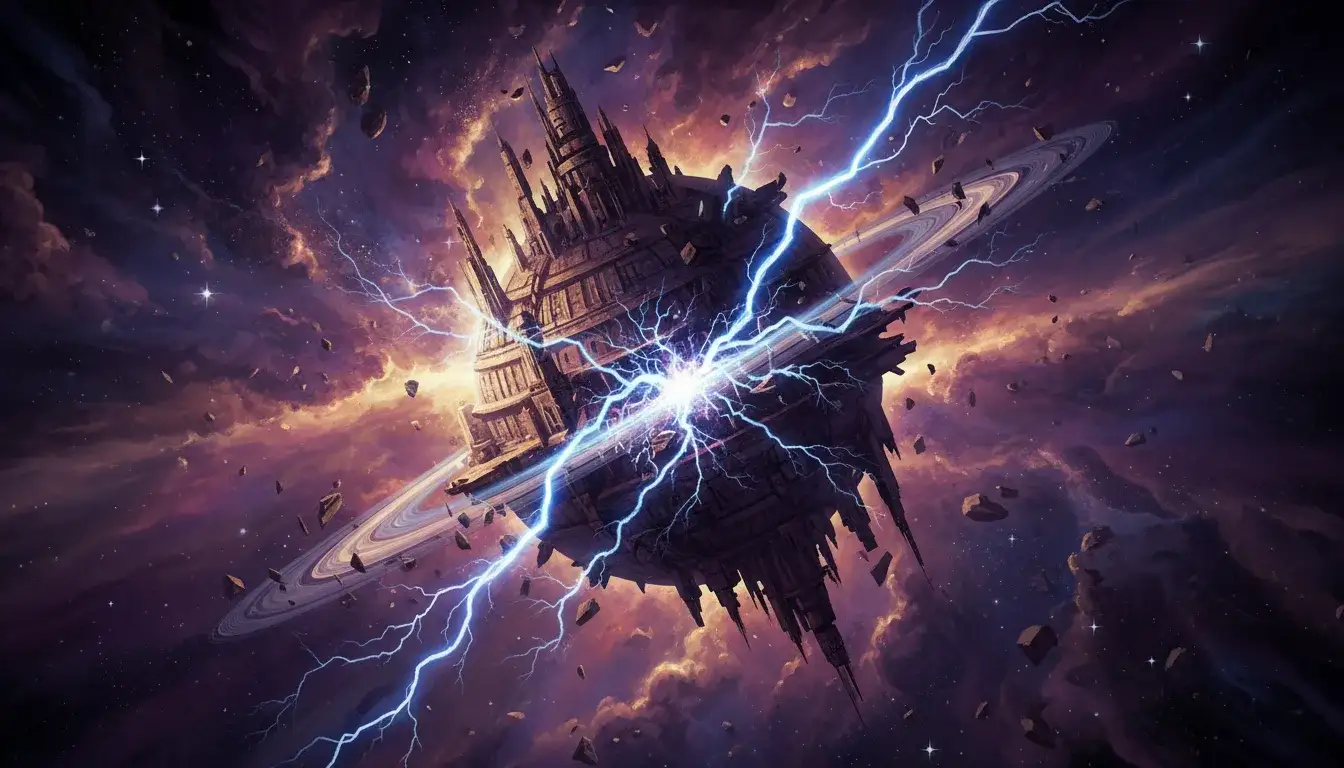
Uranus in Capricorn
Authority and structure disruption
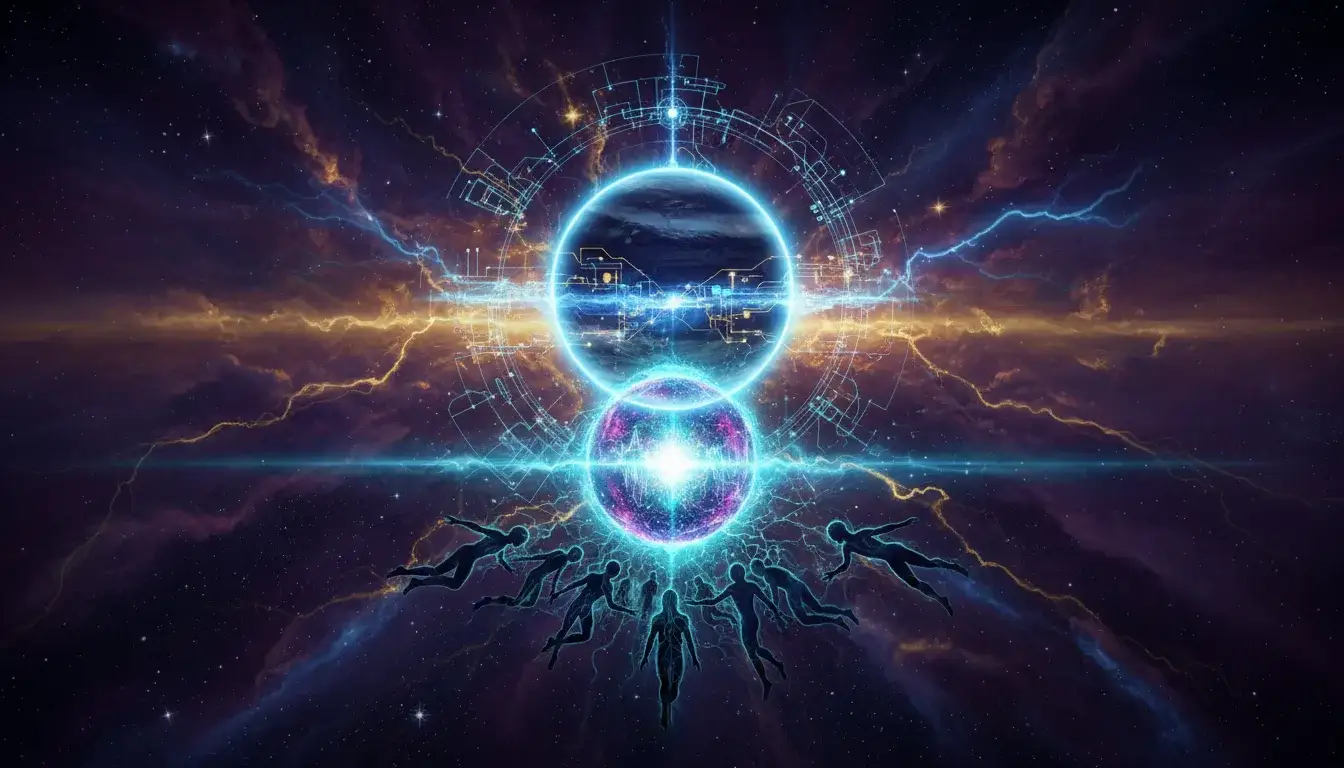
Uranus in Aquarius
Natural home: collective innovation, technology
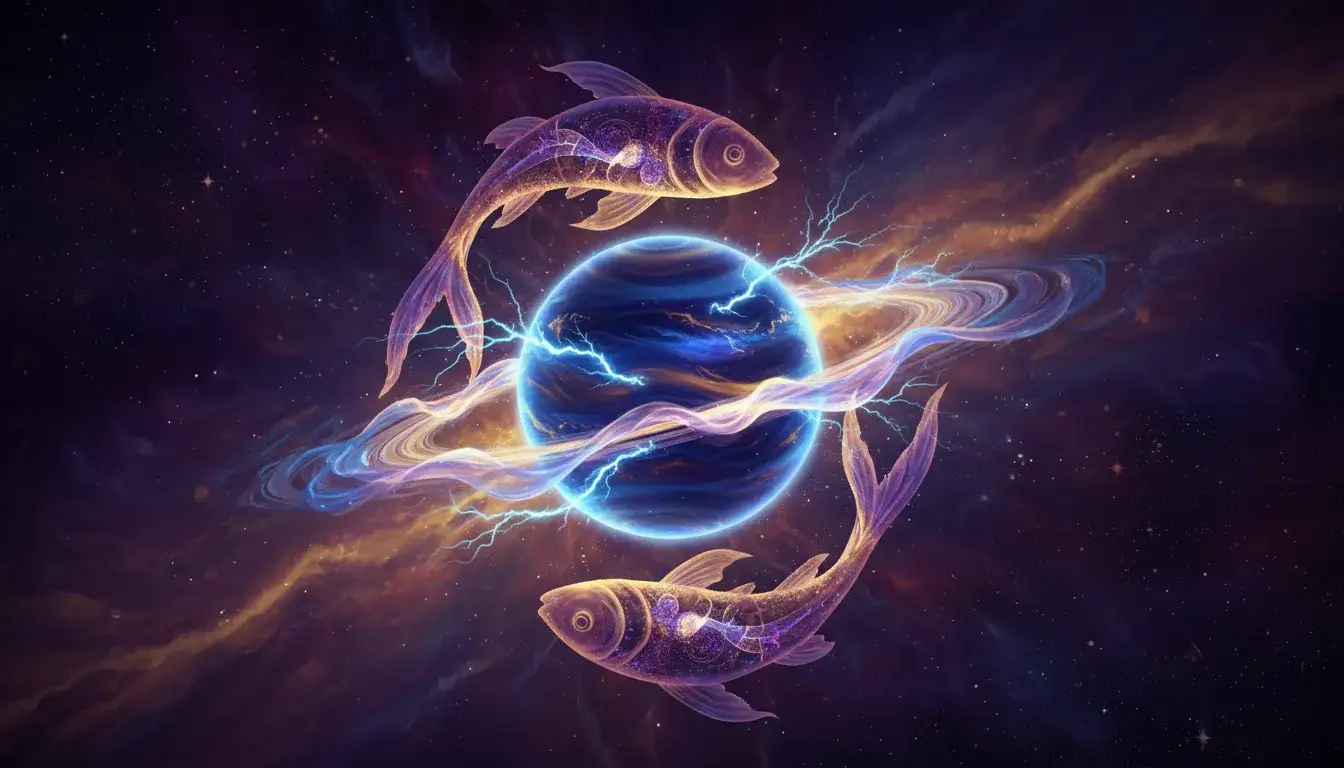
Uranus in Pisces
Spiritual awakening, boundary dissolution
Uranus in the Astrological Houses
Uranus in each house shifts how unpredictability and originality show up in daily life.
1st House
Unconventional identity, sudden self-reinvention
2nd House
Unpredictable finances, value shifts
3rd House
Innovative communication, sudden ideas
4th House
Home and family disruption
5th House
Creative breakthroughs, unconventional romance
6th House
Work and health innovation

7th House
Sudden partnerships, relationship shocks
8th House
Transformation, shared resource shifts
9th House
Belief revolution, travel disruption
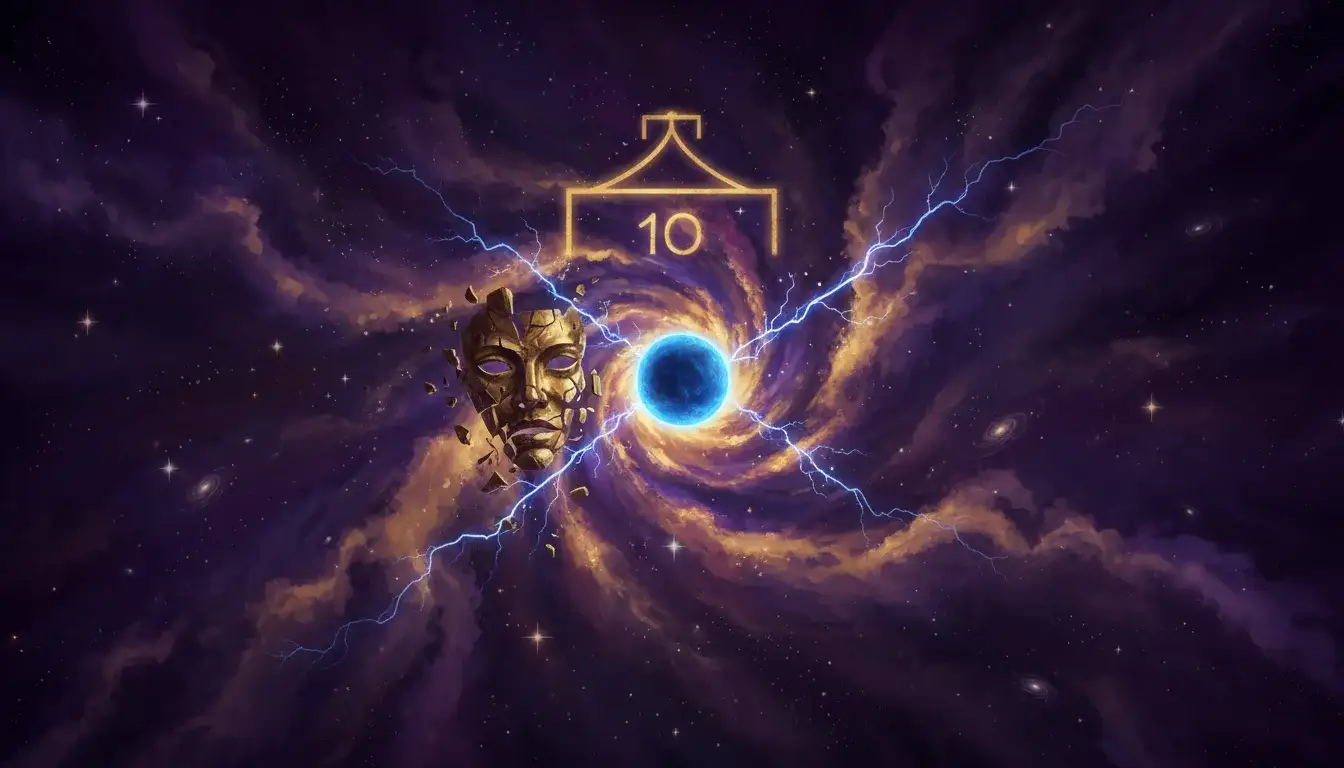
10th House
Career upheaval, public image change
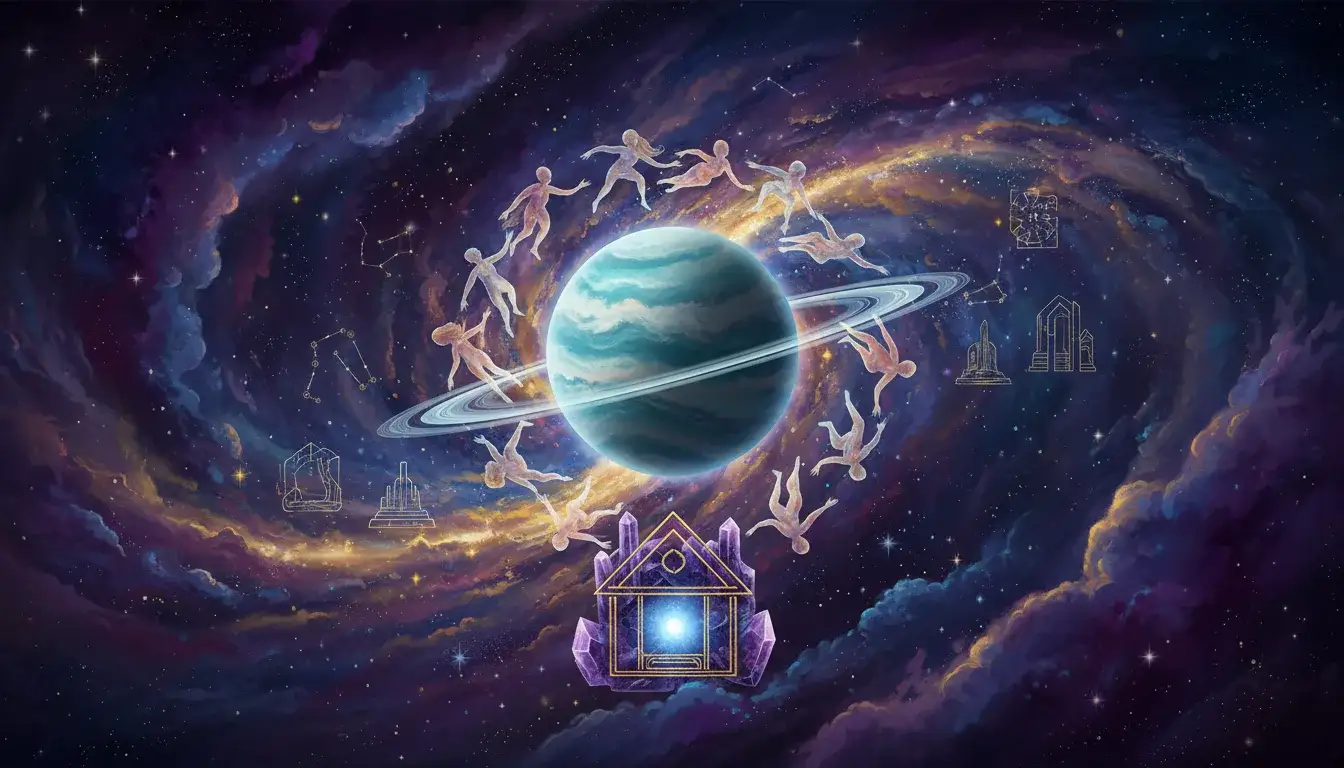
11th House
Natural home: friends, groups, future vision
12th House
Hidden rebellion, spiritual awakening
Uranus Retrograde Meaning in Astrology
Uranus turns retrograde for about five months each year. This period is inward-focused and encourages personal revolution.
In retrograde motion, Uranus exposes internal resistance to change. It can highlight suppressed desires for freedom and innovation.
In the natal chart, a retrograde Uranus points to a more inward or personal expression of rebellion. Outward events might not show it, but internally, the person questions all forms of conformity.
Uranus Aspects in the Natal Chart
Aspects reveal how Uranus influences other parts of the psyche. Some bring ease, others friction.

Uranus conjunct Sun
Unconventional identity, need for freedom
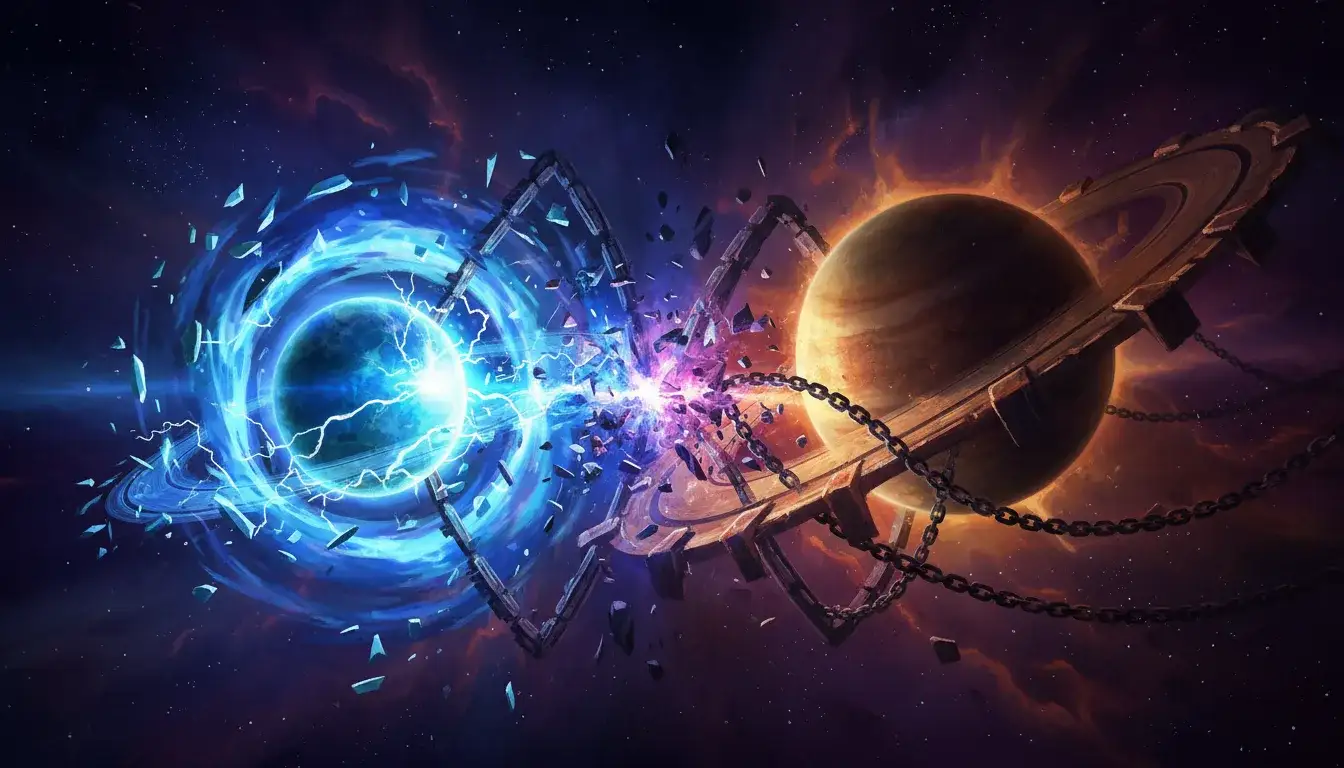
Uranus square Saturn
Rebellion against structure, tension
Uranus trine Mercury
Innovative thinking, sudden ideas
Examples:
These aspects show how change and originality shape the chart-holder’s experience.
Uranus Transits and Life-Altering Events
When Uranus makes strong contact to natal planets or angles, the result is usually swift and dramatic. These events often include:
One major transit is Uranus opposition Uranus, which happens around age 40–42. It often triggers what’s known as the “midlife awakening,” urging people to realign with personal truth.
Uranus in Synastry and Relationships
In synastry, Uranus creates magnetism and tension. Relationships influenced by this planet feel electric but often unstable.
Common themes:
While Uranus aspects in synastry can keep things exciting, they also bring potential for detachment or sudden endings.
Uranus in Aquarius: Rulership and Full Expression
Uranus finds its strongest expression in Aquarius. Here, it channels its full energy into collective innovation, intellectual freedom, and futuristic thinking.
People born during this transit often challenge existing norms and introduce bold ideas. The synergy between sign and planet intensifies the drive for systemic change.
Shadow Side of Uranus in Astrology
With all its brilliance, Uranus can also bring chaos. Its energy can be disruptive, impulsive, or emotionally distant.
Challenges include:
It’s vital to balance the creative spark with grounding.
Uranus and the Collective Unconscious
As a transpersonal planet, Uranus affects large groups over time. Its movement reflects societal evolution.
When combined with other slow planets like Neptune or Pluto, Uranus can coincide with major historical turning points:
How to Work With Uranian Energy
To align with Uranus, flexibility is key. This planet rewards those who adapt quickly.
Helpful practices include:
Staying grounded is essential. Nervous tension can rise during Uranus transits, so calming routines help.
Conclusion: Why Uranus Matters in Astrology
Uranus challenges comfort zones. Its energy drives evolution on personal and collective levels.
Through disruption, it reveals new paths and demands truth. In astrology, understanding Uranus opens space for freedom, authenticity, and visionary growth.