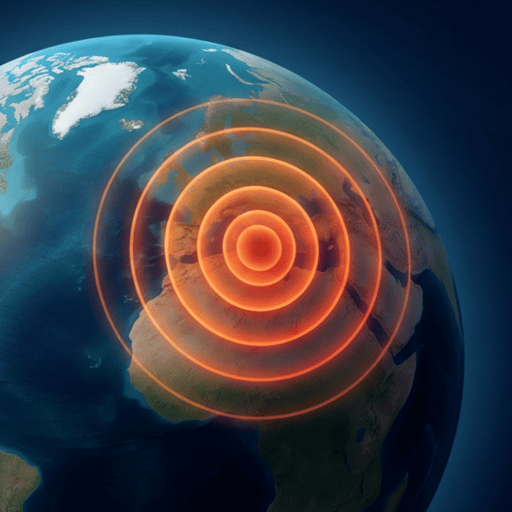


The Air element represents movement, thought, and communication. It connects the physical and invisible through breath, language, and awareness.
What Is the Air Element?
Air has been recognized across many traditions as a vital and dynamic force. In Greek philosophy, it was one of the four essential elements, along with Fire, Water, and Earth.
This element stands for mobility, ideas, and intellectual expansion. It cannot be seen but is always present—just like thoughts, wind, or inspiration.
Air is often described as hot and wet in the classical model. This reflects its energetic, ever-changing nature and its connection to springtime and awakening.
Breath and voice are the human expressions of this element. Both link us to the world around us and the thoughts within us.
Core Attributes
of the Air Element
Air carries meaning in both symbolic and practical dimensions. Its essence is in constant movement, connection, and transformation.
Symbolic Meanings
Air is tied to clarity, vision, and intelligence. It reflects freedom of thought and the drive to explore ideas.
This element represents the invisible made real through language, imagination, and invention. It stands for logic, curiosity, and perception.
Energetic Properties

Direction
East — dawn, new beginnings, awakening energy.

Season
Spring — awakening, renewal, fresh growth.
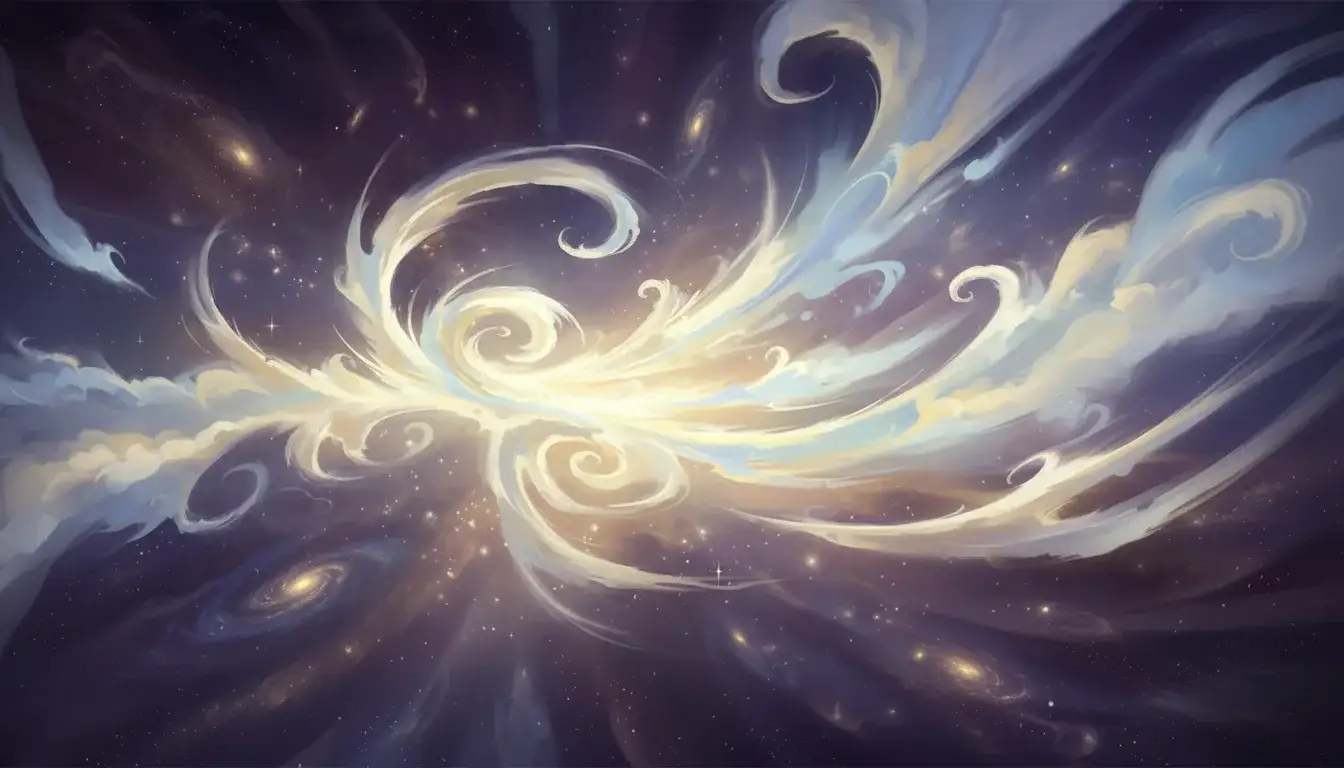
Colors
Yellow, pale blue, white.
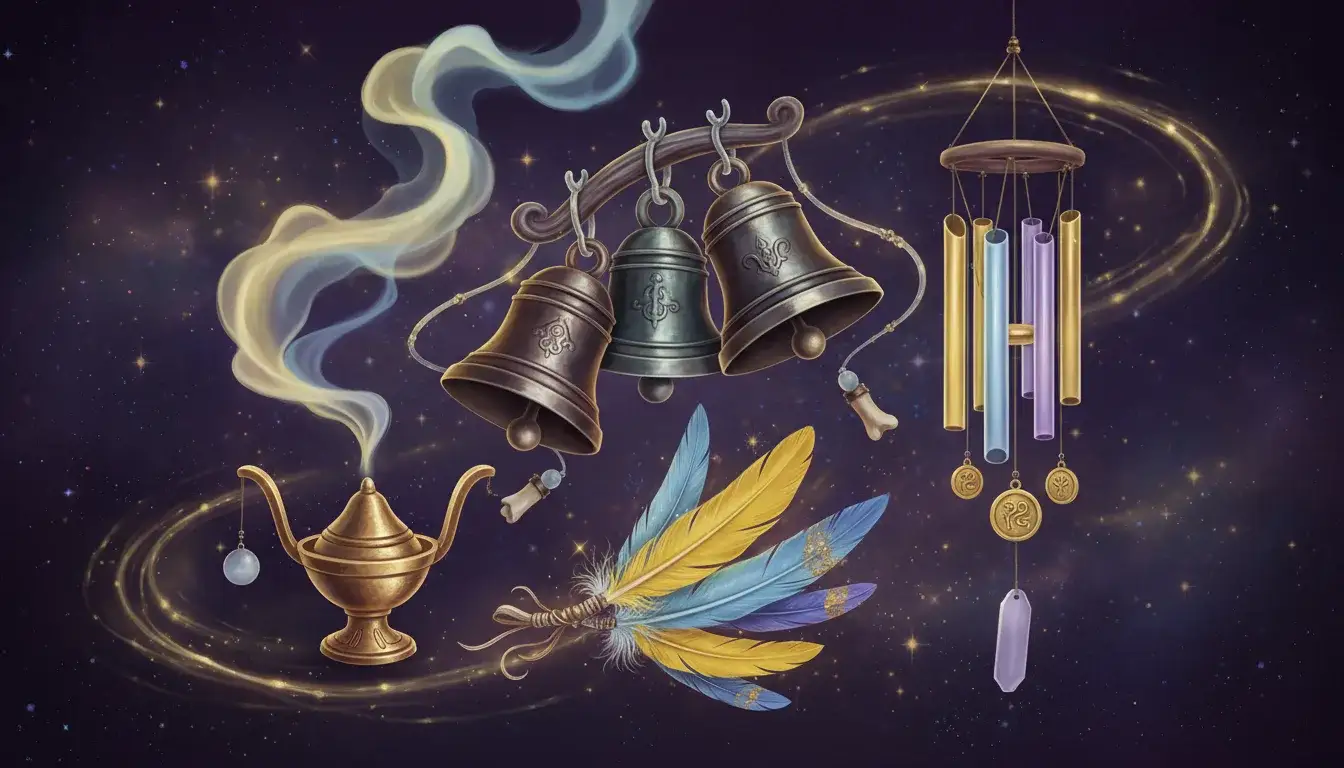
Ritual Tools
Incense, bells, feathers, wind chimes.
These attributes are present in many spiritual systems and elemental rituals. They support practices aimed at clearing the mind and deepening awareness.
The Air Element in Astrology
In astrology, Air connects the mental plane with expression, relationships, and ideation. It fuels creativity, analysis, and social connections.
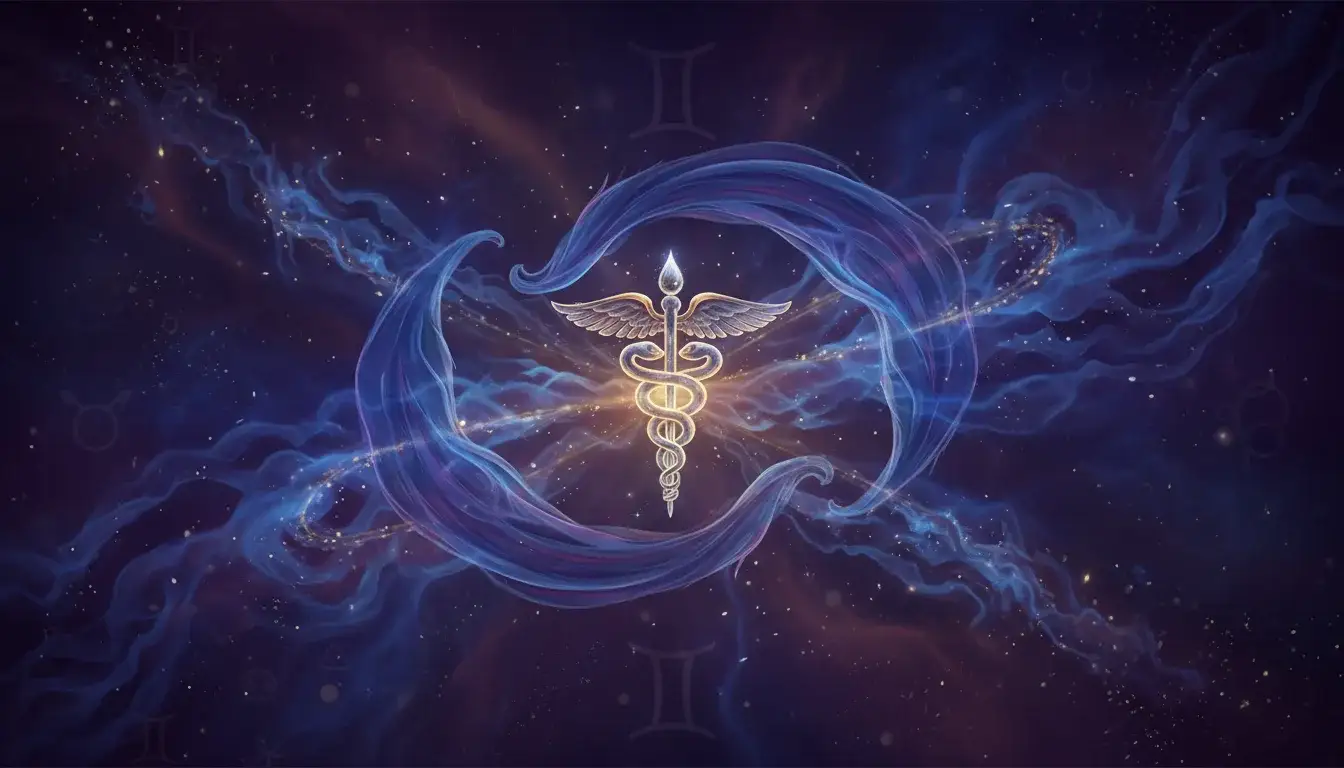
Gemini
Adaptability, curiosity, mental agility.
Libra
Balance, diplomacy, aesthetics in thought and conversation.
Aquarius
Vision, originality, collective ideals.
The Air Element in Spiritual Practices
Air is the breath of life in many traditions. It’s the carrier of sound, the messenger of spirits, and the bridge between body and soul.
In yogic philosophy, the Air element is associated with vayu, the wind energy or prana. Inhalation and exhalation are ways to connect with the spiritual self.
Spiritual tools linked with Air include incense smoke, breath meditations, sound bowls, and chants. These tools emphasize cleansing, lightness, and subtle awareness.
Air is used in sacred space clearing and intention-setting rituals. It moves energy, removes stagnation, and enhances mental focus.
Psychological and Emotional Aspects of the Air Element
Air energy in the psyche relates to the mind and social interaction. It reflects how we process thoughts, communicate ideas, and relate to others intellectually.
Balanced Air Energy
Balanced Air brings mental clarity, creativity, and honest dialogue. It supports innovation, humor, and intellectual exploration. It also fosters harmony in relationships through active listening and articulate expression.

Excess or Deficient Air
Too much Air may show up as anxiety, overthinking, or scattered attention. Not enough Air can lead to communication blocks, mental fatigue, or lack of interest in new experiences. Maintaining equilibrium helps keep thoughts grounded and conversations meaningful.
Air Element in Daily Life
and Nature
Air is all around us—in movement, sound, and atmosphere. We sense it through wind patterns, changes in weather, and every breath.
Symbolic animals of Air include birds, insects, and winged creatures. They represent grace, flight, and perspective.
In music, Air expresses itself through wind instruments and vocal performance. In everyday life, it's found in spoken words, debates, brainstorming sessions, and silent reflection.
Rituals and Practices
to Connect with Air
Daily rituals can help strengthen the connection to Air and refresh mental energy. These practices support clarity and flexibility. Air altars often include feathers, paper, bells, and light-colored cloth. Morning is a strong time to connect with Air, especially during spring.
Compatibility with Other Elements
Air blends differently with each element, creating harmony or friction depending on the balance. These combinations influence relationships and internal energies.
Air + Fire
Sparks creativity and dynamic ideas. Energetic and fast-moving.

Air + Earth
Grounds ideas into action. Can feel limiting to Air or too impractical to Earth.
Air + Air
Brings mental stimulation but may lack emotional or physical grounding.

Air + Water
Balances thought with emotion but can create emotional confusion.
Air Element in Different Cultures
Across the world, Air holds meaning in spiritual, religious, and philosophical systems. These cross-cultural views confirm Air as a shared metaphor for thought, life, and change.
Air Element
and the Human Body
Air governs parts of the body tied to respiration and intellect. It affects how we speak, breathe, and process information. Maintaining Air health supports both mental and emotional resilience.
Organs connected with Air
Lungs, diaphragm, throat, nervous system.
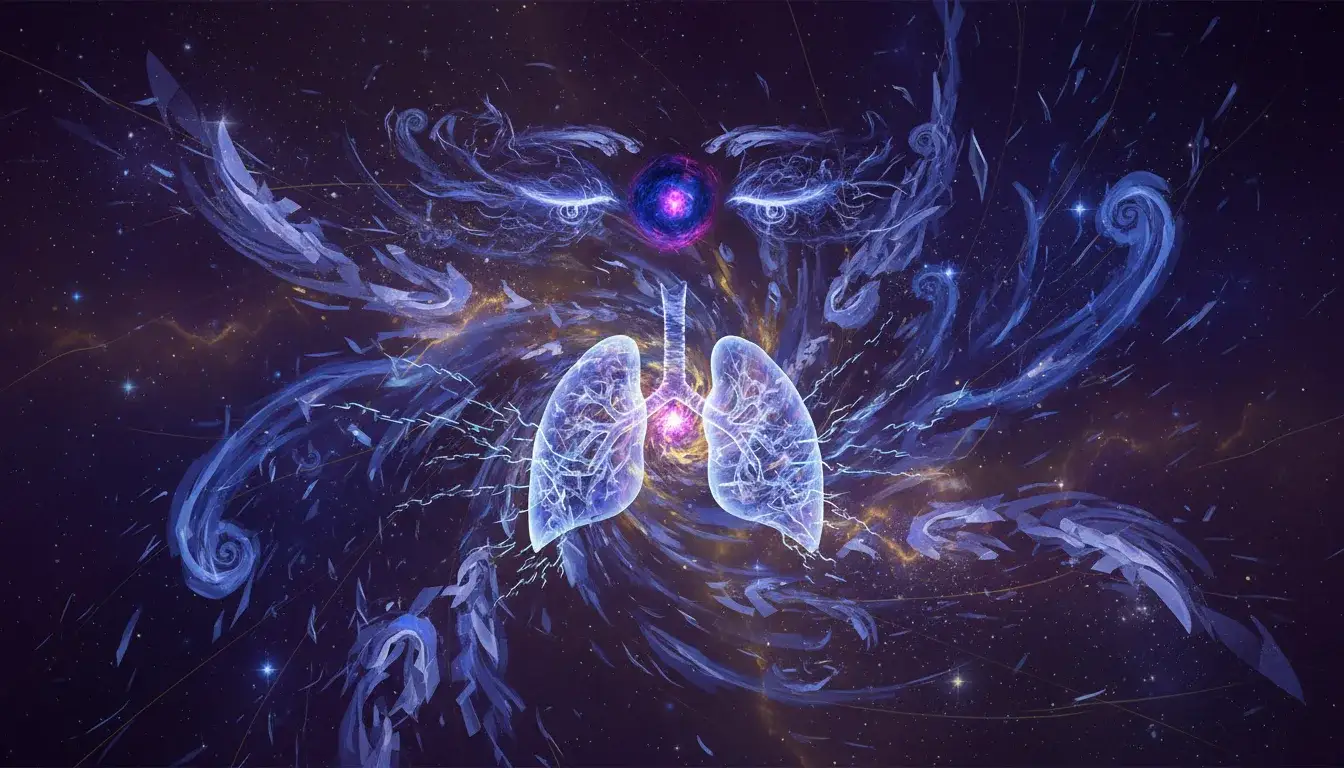
Imbalances may manifest as
Restlessness, shallow breathing, insomnia, anxiety.
Strengthening Air
Breath-focused exercise, calming music, quiet reflection.
How to Balance
the Air Element
To bring Air energy into balance, focus on rhythm, intention, and grounding. Too much Air may scatter attention, while too little may dull the mind. Combining mental stimulation with physical anchoring builds lasting stability.
Summary: The Power of the Air Element
Air shapes how we think, express, and connect. It links the invisible with the tangible—through breath, word, and motion.
Understanding and working with Air can bring new insight, greater clarity, and deeper presence. Whether in astrology, ritual, or daily reflection, Air teaches how to stay light while moving forward.